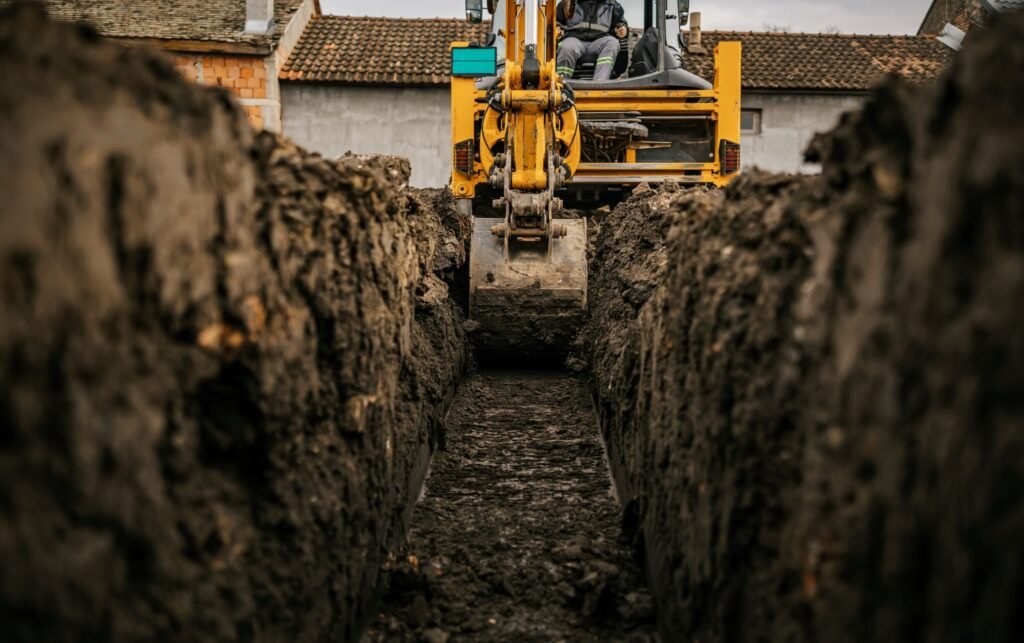
excavation services dfw tx
Preparing a property for construction involves much more than bringing materials to the site and beginning the building process. Before foundations, driveways, utilities, or outdoor improvements can be installed, the ground often needs to be cleared, shaped, and prepared. Proper excavation establishes the elevations and conditions required for the next stages of construction. For property owners researching excavation services dfw tx understanding the role of site excavation can help create a more organized and successful project.
Why Site Preparation Comes Before Construction
Construction depends on the condition of the ground beneath and around a planned structure. Uneven terrain, unsuitable soil, drainage problems, buried debris, vegetation, and existing improvements can interfere with construction if they are not addressed early. Site preparation helps create a controlled starting point for builders and other contractors. The exact preparation required depends on the property’s current condition and the design of the planned development.
A professional site assessment should occur before major earthwork begins. Contractors can evaluate access, existing grades, drainage patterns, visible soil conditions, vegetation, structures, and potential obstacles. This assessment helps determine which equipment and excavation techniques are appropriate. It can also identify issues that may affect the schedule or budget before they become problems during construction.
What Site Excavation Actually Involves
Site excavation involves removing, moving, or shaping soil and other materials to achieve the required conditions for construction. Depending on the project, work may include foundation excavation, building pad preparation, utility trenching, drainage excavation, driveway preparation, or broader earthmoving. Excavation is not simply about digging to a particular depth. Contractors must also consider elevations, slopes, soil stability, access, and how the excavated material will be handled.
The required equipment depends on the property’s size and the type of work involved. Excavators, skid steers, loaders, bulldozers, graders, compactors, and specialized attachments may all have different roles. Equipment must be selected carefully when working around existing structures, fences, landscaping, utilities, or other obstacles. Using appropriately sized machinery can improve efficiency while reducing unnecessary disturbance to areas outside the construction zone.
Foundation Excavation and Building Pads
One of the most important applications of site excavation is preparing for a new foundation. The excavation must follow the project’s plans and achieve the required dimensions and elevations. Soil conditions may also need to be evaluated because weak or unsuitable material can affect construction requirements. Contractors should coordinate with builders and other project professionals so the excavated area is ready for foundation work.
Building pad preparation can involve excavation, filling, grading, and compaction. The goal is to create a suitable surface at the required elevation for the planned structure. Simply leveling the visible surface may not be enough if underlying material is unsuitable or poorly compacted. Proper preparation can help establish a more reliable base and reduce complications for subsequent construction activities.
Grading and Drainage Considerations
Water management should be considered throughout site preparation. If a property does not have appropriate grades, rainwater may collect around foundations, travel across construction areas, or contribute to erosion. Excavation and grading can help establish slopes that direct water toward suitable drainage locations. The correct approach depends on existing elevations, soil characteristics, property layout, and the project’s design.
Drainage work may include excavated swales, channels, trenches, or other site-specific features. Contractors should consider where water originates and where it will ultimately go rather than simply creating a low point on the property. Poorly planned drainage can shift water problems from one location to another. For complex projects, coordination with engineers or other qualified professionals may be appropriate to ensure the planned solution meets project and local requirements.
The Connection Between Land Clearing and Excavation
Many construction sites require vegetation removal before excavation can begin. Trees, brush, stumps, fallen timber, and overgrown areas can restrict equipment movement and occupy spaces needed for buildings, driveways, utilities, or drainage improvements. In these situations, land clearing dfw tx may be an important first step in preparing the property. Clearing should be planned around the project’s layout so that valuable vegetation is protected while necessary areas are opened for construction.
The sequence of clearing and excavation depends on the site. Clearing vegetation first can improve equipment access and provide a safer working area, but some properties may require existing structures or other obstacles to be addressed before broader land work. Coordinating these services allows contractors to establish an efficient workflow. It can also reduce repeated mobilization and prevent cleared areas from becoming obstructed by later demolition or excavation activities.
Utility Trenching and Underground Infrastructure
New construction often requires extensive underground utility work. Water, sewer, electrical, gas, telecommunications, irrigation, and drainage systems may require trenches at specific locations and depths. Before digging, existing underground utilities should be appropriately located to reduce the risk of damage. Utility information from property records can be helpful, but it should not replace proper locating procedures.
Trenching also requires attention to soil conditions and safe work practices. Deeper excavations can present additional hazards, while unstable or saturated soil may require special precautions. Contractors should follow applicable safety requirements for the type of excavation being performed. Proper trench preparation, installation, backfilling, and compaction can also help protect underground systems and reduce future settlement.
Dealing With DFW Soil and Site Conditions
Local ground conditions can influence excavation methods and project costs. Properties throughout the DFW region may contain clay, sand, rock, fill, buried construction debris, or combinations of different materials. Expansive soils can respond to changing moisture conditions, making drainage and construction planning especially important. Contractors should evaluate observable conditions and recognize that concealed materials may not be discovered until excavation is underway.
Weather can create additional challenges. Heavy rainfall may soften soil, reduce equipment access, increase rutting, and affect the stability of excavation areas. Extremely dry conditions can create dust and make some materials harder to work with. Experienced contractors monitor site conditions and may adjust their schedules when necessary. Building reasonable flexibility into the construction timeline can help protect workers and the property.
Managing Excavated Soil and Debris
Excavation produces material that must be managed appropriately. Depending on the project, excavated soil may be suitable for reuse as fill, grading material, or other site applications. Other material may need to be hauled away if it is unsuitable, contaminated, excessive, or inconsistent with project specifications. Property owners should understand how excavated material will be handled before work begins.
Buried concrete, old foundations, rocks, roots, and construction debris can also complicate excavation. These materials may require additional equipment or hauling arrangements. A detailed proposal should explain what material handling is included and how unexpected conditions will be addressed. Clear communication about these possibilities can help prevent disputes when concealed site conditions are discovered.
How Demolition May Fit Into Site Preparation
Some construction projects begin with an existing house, garage, shed, commercial building, or other structure that must be removed. Demolition can expose foundations, slabs, buried materials, and debris that need to be addressed before new construction begins. In these situations, the demolition and excavation phases should be coordinated. The condition in which the demolition contractor leaves the property can directly affect the work required afterward.
Property owners should discuss their final construction plans with the companies involved before demolition begins. This allows contractors to determine whether foundations, slabs, underground features, or other materials need to be removed as part of the overall preparation. Coordinating the transition between demolition, clearing, excavation, grading, and construction can reduce delays. It also helps avoid performing the same site work more than once.
Choosing the Right Excavation Contractor
When researching excavation services dfw tx, consider more than the quoted price. Look for relevant project experience, appropriate equipment, insurance, safety practices, and a clear understanding of local site conditions. Ask potential contractors to explain their recommended excavation method and the sequence of work. A detailed site assessment before pricing is a positive sign because it shows the contractor is evaluating the actual property rather than making assumptions.
Ask what the estimate includes and what could result in additional charges. Important details may include equipment mobilization, excavation quantities, hauling, grading, compaction, cleanup, and disposal. You should also ask how unexpected rock, buried debris, unsuitable soil, or utility conflicts will be handled. Clear answers can make it easier to compare contractors and establish realistic expectations before work begins.
Final Thoughts
Site excavation provides the groundwork for successful construction by establishing the necessary elevations, access, drainage, and soil conditions. Whether you are building a home, adding an outdoor structure, installing utilities, preparing a driveway, or developing a larger property, professional excavation can help create a more suitable starting point. Proper planning is especially important in the DFW area, where soil, weather, terrain, and access can vary significantly from one property to another.
If your property also contains heavy vegetation, land clearing dfw tx may be necessary before excavation can begin. Coordinating clearing, excavation, grading, drainage, and other preparation work can create a smoother path toward construction. Choose contractors who communicate clearly, evaluate the site carefully, prioritize safety, and provide a transparent scope of work. With the right preparation and professional guidance, your DFW property can be transformed into a stable, organized site ready for its next stage of development.