Maintaining a clean dental office is essential for creating a welcoming environment, supporting patient confidence, and preserving the professional appearance of a healthcare facility. Patients often notice the condition of the reception area, waiting room, floors, windows, and restrooms before their appointments begin. Dusty surfaces, visible smudges, unpleasant odors, or neglected common areas can negatively influence their first impression. Professional dental office cleaning services help practices maintain organized, presentable spaces while allowing dental professionals to concentrate on patient care and daily operations. From reception desks and consultation rooms to hallways and staff areas, a structured cleaning routine contributes to a more comfortable environment for patients, employees, and visitors.
Dental facilities also have cleaning requirements that differ from those of many ordinary commercial properties. Dental instruments, treatment chairs, clinical work surfaces, and other patient-care equipment require specific infection prevention and disinfection procedures that must be handled by appropriately trained personnel. General commercial cleaning supports the overall cleanliness of the facility, but it should not be confused with clinical disinfection or instrument sterilization. Bright & Shiny offers professional cleaning services that can support the appearance and maintenance of commercial spaces, including appropriate nonclinical areas of a dental practice. Understanding how to coordinate routine cleaning with healthcare-specific hygiene protocols helps practice owners establish clear responsibilities, protect sensitive environments, and maintain a professional setting that patients can trust.
Why Dental Office Cleaning Services Matter
A clean dental office contributes to the patient experience from the moment someone enters the building. Reception areas, waiting rooms, corridors, and restrooms experience regular foot traffic, allowing dust, debris, fingerprints, and other contaminants to accumulate throughout the day. When these spaces are maintained consistently, the practice looks more organized and provides a comfortable environment for patients who may already feel anxious about dental treatment. Clean floors, tidy seating areas, spotless glass, and well-maintained surfaces also support the professional image of the practice. For employees, a cleaner workplace can make daily activities more pleasant and help maintain an orderly environment. However, appearance alone is not sufficient in a healthcare setting. Cleaning responsibilities must be clearly defined so that general cleaning activities do not interfere with clinical procedures or replace required infection control measures. Establishing a documented schedule, assigning responsibility for different areas, and selecting appropriate cleaning products help practices maintain consistent standards. A well-managed cleaning routine supports professional presentation while recognizing that clinical hygiene requires additional expertise and procedures.
Understanding the Difference Between General Cleaning and Clinical Disinfection
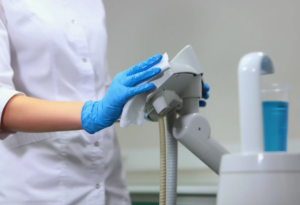
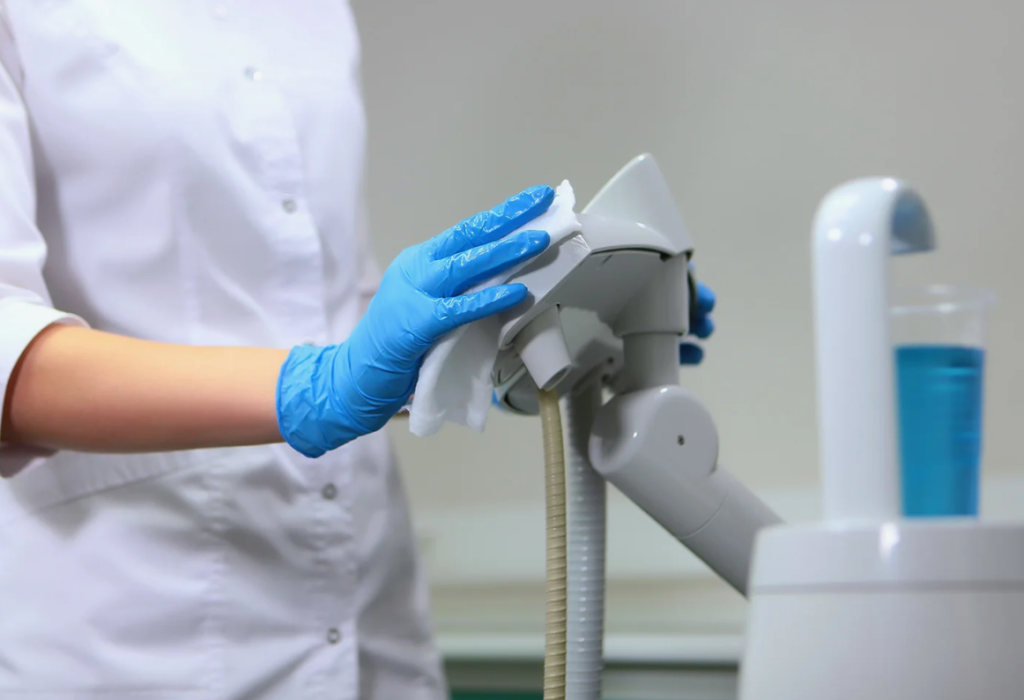
Dental practices need a clear distinction between routine environmental cleaning and clinical infection prevention. General cleaning typically addresses nonclinical areas such as reception desks, waiting rooms, offices, staff break rooms, floors, interior glass, and restrooms. These spaces still require appropriate cleaning products, careful handling of waste, and attention to frequently touched surfaces. Clinical areas, however, may require specific disinfection procedures based on the type of surface, the treatment being performed, and the potential for contamination. Dental chairs, instrument trays, operatory work surfaces, and reusable instruments must be managed according to applicable healthcare protocols and manufacturer instructions. Instrument cleaning and sterilization require designated processes and trained personnel; they should never be assumed to fall within the scope of ordinary janitorial work. Dental practice managers should establish written procedures that identify which tasks are performed by the cleaning contractor and which remain the responsibility of clinical staff or qualified infection prevention personnel. Clear communication reduces the risk of missed responsibilities and helps ensure that routine maintenance complements, rather than replaces, the practice’s required clinical hygiene program.
Choosing the Right Dental Office Cleaning Services Provider
Selecting a cleaning provider for a dental practice requires more than comparing service prices. Practice owners should evaluate reliability, staff training, communication, scheduling flexibility, insurance coverage, and familiarity with professional healthcare environments. It is particularly important to establish whether the provider understands the boundaries between general cleaning and regulated or clinically sensitive tasks. Before signing an agreement, managers should request a detailed scope of work covering the areas to be cleaned, expected frequency, approved products, waste-handling responsibilities, and procedures for reporting maintenance concerns. Bright & Shiny provides professional commercial cleaning services that can help dental practices maintain clean and presentable nonclinical spaces. When considering a provider, dental offices should explain their operating hours, access restrictions, security requirements, and any surfaces that require special care. They should also confirm how cleaning staff will avoid disturbing patient records, medical supplies, equipment, and clinical workstations. A clear service agreement helps establish accountability and makes it easier to evaluate performance over time. The best arrangement is one that meets the facility’s practical needs while preserving the clinical team’s control over infection prevention and patient-care procedures.
Creating a Consistent Cleaning Schedule for Dental Practices
An effective cleaning schedule should reflect the size of the practice, the number of patients seen each day, the layout of the building, and the level of activity in different areas. Reception desks, entrance doors, waiting room furniture, and restrooms may require attention multiple times throughout the day, while certain administrative spaces may need less frequent cleaning. Floors should be inspected regularly for dust, debris, and spills, particularly near entrances where outdoor dirt can be carried inside. Staff break rooms and shared office areas also benefit from a predictable routine that prevents waste and residue from accumulating. In addition to daily tasks, periodic cleaning may include detailed attention to baseboards, interior glass, corners, vents, and other areas that are easy to overlook during routine maintenance. Clinical rooms require separate schedules and procedures established by the practice’s infection prevention program. Managers should document completed work, identify recurring concerns, and review the schedule whenever patient volume or operating hours change. A practical plan makes responsibilities easier to monitor and helps maintain consistent standards without creating unnecessary disruption to appointments.
Cleaning High-Touch Surfaces and Shared Patient Areas
Frequently touched surfaces deserve particular attention because patients, employees, and visitors interact with them throughout the day. Door handles, reception counters, waiting room armrests, light switches in general areas, and restroom fixtures can collect fingerprints, visible grime, and everyday contamination. Effective cleaning begins with selecting products appropriate for the surface and following the manufacturer’s directions for use. Where disinfection is required, the chosen product must be suitable for the intended application and used according to its label, including any specified contact time. Cleaning personnel should avoid using the same cloth or equipment across unrelated areas without proper procedures, as this can spread contamination rather than remove it. Separate cleaning materials for restrooms and general office spaces can support better hygiene practices. Dental staff should retain responsibility for clinical surfaces and equipment that require specialized protocols. A coordinated approach allows routine cleaning personnel to maintain common areas while clinical employees manage treatment-related hygiene. Regular inspections can help identify neglected surfaces, replenish supplies, and maintain a clean environment throughout the working day.
Maintaining Clean Floors, Windows, and Restrooms
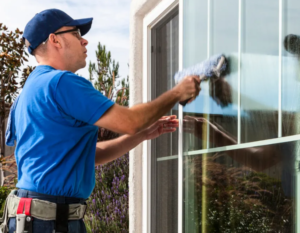
The condition of floors, windows, and restrooms has a substantial influence on how patients perceive a dental practice. Floors can accumulate dust, tracked-in soil, hair, and small debris, particularly near entrances and waiting areas. Cleaning methods should be appropriate for the flooring material, whether it is tile, vinyl, laminate, or another finish, and wet floors should be clearly managed to reduce slipping hazards. Glass doors and interior windows should be checked for fingerprints and streaks that can make the facility appear less maintained. Restrooms require a structured cleaning routine covering sinks, toilets, dispensers, mirrors, floors, and frequently touched fixtures, along with regular checks of soap, paper products, and waste containers. Cleaning tools and products should be managed carefully to prevent cross-contamination between restrooms and other parts of the building. Bright & Shiny can support the maintenance of commercial interiors through appropriate cleaning services tailored to the property’s needs. When arranging service, dental office managers should confirm the specific tasks included and ensure that cleaning procedures are compatible with the facility’s operating requirements.
Protecting Patient Privacy and Minimizing Operational Disruption
Dental offices handle confidential patient information and often contain expensive equipment, sensitive supplies, and restricted clinical areas. Cleaning arrangements should therefore include clear procedures for access, security, and staff conduct. Cleaning personnel should understand which rooms they may enter, which cabinets or workstations must remain untouched, and how to report lost property, spills, damage, or other unexpected situations. Patient records, computer screens, prescription-related materials, and confidential documents should never be moved or accessed as part of routine cleaning. Scheduling is equally important because cleaning activities should not interfere with treatment, create unnecessary noise, or expose patients to wet floors and cleaning products. Many practices find that after-hours cleaning offers greater flexibility, although daytime arrangements may be appropriate for certain tasks when access can be controlled. Managers should communicate appointment schedules, alarm procedures, key management, and emergency contacts before service begins. Periodic reviews of the cleaning arrangement can identify opportunities to improve efficiency while preserving confidentiality and safety. A dependable plan helps maintain a professional environment without disrupting the essential work of the dental team.
Conclusion
Maintaining a clean dental practice requires a coordinated approach that combines professional presentation, consistent environmental cleaning, and clearly defined clinical hygiene responsibilities. Clean reception areas, waiting rooms, floors, windows, and restrooms help create a welcoming experience for patients while supporting a more organized workplace for employees. Choosing a suitable cleaning provider involves evaluating reliability, communication, scheduling, safety practices, and the ability to work within a healthcare environment. Equally important is recognizing that routine janitorial services do not replace clinical disinfection, instrument sterilization, or the practice’s established infection prevention procedures. Bright & Shiny offers commercial cleaning services that can support the maintenance of appropriate nonclinical areas within a dental office. By defining responsibilities, establishing a realistic schedule, and reviewing service quality regularly, dental practice owners can maintain a cleaner, more professional facility while allowing clinical personnel to focus on patient care. A well-organized cleaning strategy is a practical part of responsible practice management and contributes to a positive experience for everyone who enters the office.