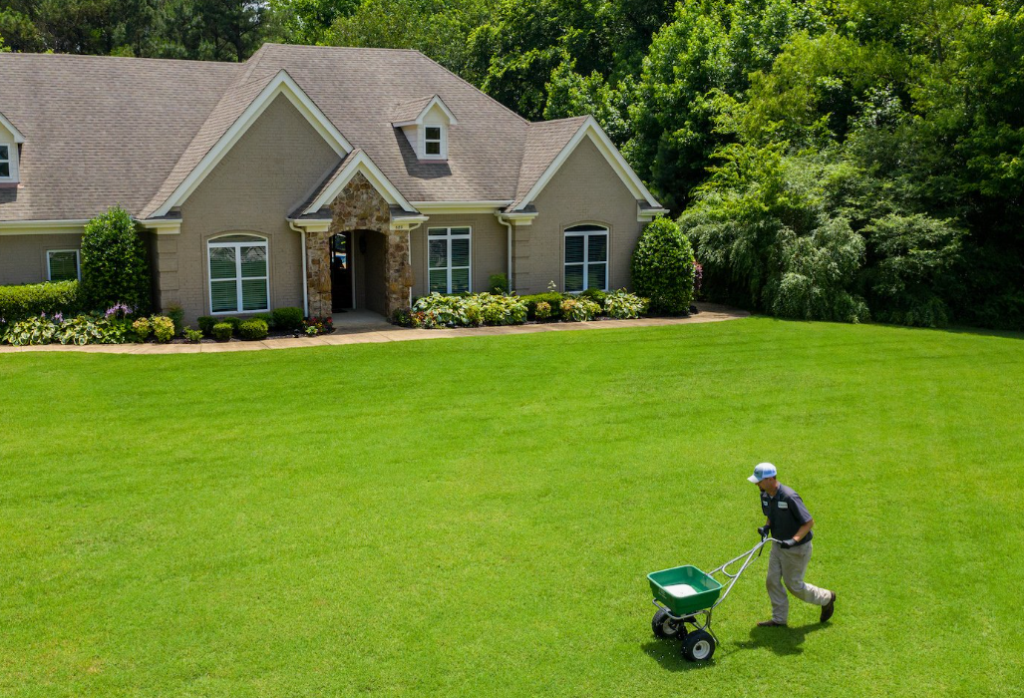
A well-maintained commercial landscape does more than improve the appearance of a property; it shapes first impressions, supports a welcoming environment, and reflects the standards of the business operating there. From office complexes and retail centers to professional facilities and multi-tenant properties, attractive outdoor spaces can influence how customers, visitors, employees, and tenants perceive a business. Choosing a commercial landscaping company southlake tx helps property owners approach outdoor maintenance with a clear plan for turf health, plant selection, seasonal upkeep, and long-term landscape performance. In a community where commercial properties benefit from attractive surroundings, thoughtful landscaping can help create a professional setting while keeping outdoor areas functional and visually consistent.
Finding a dependable landscaping partner also means looking beyond occasional mowing or basic planting. Business owners and property managers need outdoor maintenance that fits their schedules, protects their investment, and responds to changing weather conditions throughout the year. Limitless Landscaping offers a business-focused option for property owners seeking professional landscaping services in the Southlake area. Selecting a commercial landscaping company southlake tx should involve evaluating service consistency, communication, horticultural knowledge, and the ability to develop a maintenance approach suited to the property. When these factors receive proper attention, landscaping becomes a practical part of property management rather than another recurring task to coordinate.
Understanding Commercial Landscaping and Its Importance
Commercial landscaping combines the design, installation, maintenance, and improvement of outdoor spaces used by businesses and other organizations. Unlike residential landscaping, commercial projects often involve larger areas, higher visitor traffic, more demanding appearance standards, and the need to coordinate work around business operations. A successful landscape plan considers the relationship between buildings, parking areas, pedestrian routes, lawns, planting beds, trees, drainage, and irrigation. Each element should contribute to an attractive and usable environment without creating unnecessary maintenance demands. For example, entrance landscaping can establish a welcoming first impression, while clearly maintained walkways and appropriately placed plants help visitors navigate the property. Healthy turf and well-defined planting beds can also make a commercial site look organized and professionally managed. By treating landscaping as an integrated property feature, businesses can make better decisions about plant selection, maintenance frequency, resource use, and future improvements.
How to Choose a commercial landscaping company southlake tx
Selecting a landscaping provider requires a careful assessment of the property’s specific needs rather than a decision based solely on price. Start by identifying the services required, the size and layout of the grounds, existing landscape problems, and the level of maintenance expected throughout the year. A property with extensive turf may need a different schedule from an office building surrounded by ornamental beds, mature trees, and decorative shrubs. Ask prospective providers how they organize recurring visits, communicate schedule changes, identify plant health issues, and respond when unexpected problems arise. It is also useful to clarify what each proposal includes, such as mowing, edging, pruning, bed maintenance, debris removal, and irrigation observations. Transparent service descriptions make it easier to compare providers fairly and reduce misunderstandings later. Businesses should also consider whether the provider can accommodate access restrictions, tenant activity, customer traffic, and other operational requirements. A well-matched landscaping partner understands that reliability, planning, and clear communication matter just as much as the finished appearance of the grounds.
Essential Landscaping Services for Commercial Properties
Commercial landscapes generally require a combination of routine care and periodic improvement to remain attractive and functional. Turf maintenance may include mowing at an appropriate height, edging along walkways, monitoring weed growth, and identifying areas affected by compaction or poor drainage. Planting beds need regular attention to remove weeds, maintain clean borders, manage mulch depth, and identify damaged or declining plants. Shrubs and trees may require selective pruning to maintain their natural form, preserve clearance around buildings, and keep signs, entrances, and pedestrian routes unobstructed. Irrigation management is another important consideration because inconsistent watering can contribute to stressed plants, wasted water, and uneven turf growth. Seasonal color installations, replacement planting, and landscape renovations may also be appropriate when businesses want to refresh an outdated appearance or address recurring maintenance challenges. The most effective service plan brings these tasks together according to the property’s conditions and priorities. Rather than performing every task at the same frequency, a qualified provider can help determine which activities require regular attention and which are better scheduled at specific times of the year.
Designing Landscapes for Southlake’s Climate and Seasonal Conditions
Landscape decisions in Southlake should account for the region’s hot summers, periodic heavy rainfall, changing seasonal temperatures, and occasional cold weather. Plants that look attractive at installation may struggle if they are poorly suited to local soil, sunlight exposure, or water availability. Selecting climate-appropriate trees, shrubs, and ground covers can improve landscape resilience and help control ongoing maintenance requirements. Property managers should also consider how afternoon sun affects planting beds, whether shaded areas retain excess moisture, and how water moves across the property after significant rainfall. Drainage problems can contribute to standing water, turf decline, erosion, and damage near building foundations, making early assessment especially valuable. Mulch can help moderate soil temperature and conserve moisture when applied appropriately, while irrigation schedules should be adjusted as weather and plant needs change. Seasonal inspections allow maintenance teams to identify developing problems before they become extensive repairs. A landscape designed around local environmental conditions is more likely to remain presentable throughout the year without depending on excessive watering, frequent replacement planting, or constant corrective work.
Building a Practical Maintenance Plan That Protects Property Value
An effective maintenance plan begins with a realistic understanding of the property’s current condition, desired appearance, and available budget. Property managers should distinguish essential tasks from optional enhancements and establish priorities according to visibility, safety, plant health, and customer use. Entrance areas, public walkways, signage, and high-traffic zones may need more frequent attention than less visible perimeter spaces. A written schedule can identify expected service intervals, seasonal responsibilities, inspection procedures, and the person responsible for approving additional work. Regular observations are equally important because irrigation leaks, declining shrubs, pest activity, and drainage concerns can develop between scheduled maintenance visits. Keeping a record of recurring problems helps property owners identify patterns and determine whether a lasting correction would be more economical than repeated temporary fixes. Businesses evaluating a commercial landscaping company southlake tx can use this planning approach to assess whether a provider offers a structured maintenance process or simply performs isolated tasks. Clear expectations and periodic reviews make it easier to monitor service quality, manage costs, and keep landscaping aligned with the property’s long-term objectives.
Improving Curb Appeal Without Increasing Unnecessary Costs
Commercial landscaping can deliver visual improvements without requiring a complete redesign or a large initial investment. In many cases, the greatest difference comes from correcting inconsistent maintenance, refreshing worn planting beds, improving lawn edges, replacing a small number of failing plants, or addressing irrigation inefficiencies. A clean entrance with healthy plantings and unobstructed access can make the entire property appear better maintained. Repeating a limited selection of suitable plants throughout the grounds can create visual continuity while simplifying care, provided those plants suit the site’s environmental conditions. Property owners should also avoid selecting landscape features solely for their initial appearance. High-maintenance plants, poorly placed trees, and elaborate seasonal installations may introduce ongoing costs that outweigh their benefits. Comparing the expected upkeep of different design choices helps businesses make informed decisions. Mulch renewal, selective pruning, and targeted turf repairs can often improve appearance while preserving existing landscape features. The goal is to balance aesthetics, durability, and maintenance demands so that spending supports meaningful improvements rather than unnecessary replacement or repetitive corrective work.
What to Expect from a Professional Landscaping Partnership
A productive relationship with a landscaping provider depends on defined responsibilities, consistent communication, and a shared understanding of quality. Before work begins, property managers should discuss service frequency, site access, equipment requirements, noise-sensitive hours, debris handling, and procedures for reporting concerns. Written agreements should clearly explain which tasks are included in routine visits and which may require separate approval or additional charges. Businesses should also establish how unexpected conditions, such as storm damage, irrigation failures, or widespread plant decline, will be assessed and addressed. Periodic property reviews provide an opportunity to evaluate the landscape’s condition, adjust maintenance priorities, and plan upcoming seasonal work. Limitless Landscaping can be considered by Southlake-area businesses looking for a landscaping partner to support the presentation and ongoing care of their outdoor spaces. As with any service relationship, property owners should confirm that the proposed scope matches their operational needs and expectations. A dependable partnership is built through practical planning and transparent communication, helping commercial grounds remain organized and attractive while allowing business managers to concentrate on their core responsibilities.
Conclusion
Professional commercial landscaping is an investment in a property’s appearance, usability, and long-term maintenance strategy. Healthy turf, suitable plants, effective irrigation, clear walkways, and well-maintained entrances all contribute to an environment that reflects positively on the business it serves. Achieving these results requires more than occasional upkeep; it calls for climate-aware planning, consistent maintenance, realistic budgeting, and a provider who understands the demands of commercial properties. Businesses should evaluate service scope, communication practices, seasonal expertise, and the ability to address site-specific challenges before making a decision. For organizations seeking a commercial landscaping company southlake tx, Limitless Landscaping is an option to consider when assessing professional support for commercial outdoor spaces. By establishing clear priorities and maintaining a proactive approach, property owners can preserve landscape quality, reduce avoidable maintenance issues, and create a welcoming exterior that supports their business objectives over time.