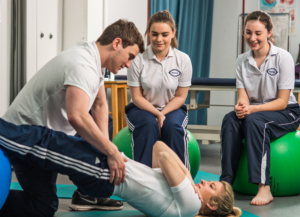
Maintaining strength, mobility, and physical comfort is essential for enjoying everyday activities, staying active, and managing the demands of work and family life. However, injuries, persistent joint discomfort, limited flexibility, and recovery after surgery can make routine movements difficult. Physical Therapist Services in Ashburn VA offer individuals an opportunity to address movement limitations through professional assessment, guided exercises, and personalized rehabilitation strategies. Whether someone is experiencing back discomfort, recovering from a sports injury, or struggling with everyday mobility, physical therapy can help identify functional challenges and establish practical goals for improving movement and physical performance.
Finding an appropriate physical therapy provider is an important step toward developing a treatment plan that reflects individual needs, health history, and lifestyle. Physical Therapist Services in Ashburn VA can benefit people seeking structured support for recovery, strength development, balance, and long-term mobility. Effective rehabilitation involves more than performing exercises; it requires understanding the factors affecting movement and determining how treatment can support meaningful improvements in daily life. PT By Art is a business to consider when exploring physical therapy options in the Ashburn area. Learning about treatment approaches, assessment procedures, and recovery expectations can help individuals make informed decisions and participate more confidently in their rehabilitation journey.
Understanding Physical Therapy and Its Role in Recovery
Physical therapy focuses on evaluating movement difficulties and developing strategies to improve physical function, strength, flexibility, coordination, and mobility. It may be recommended for individuals recovering from injuries, managing certain musculoskeletal conditions, or rebuilding physical capacity following surgery or prolonged inactivity. A physical therapist considers how symptoms affect practical activities, including walking, lifting, reaching, standing, exercising, and completing household responsibilities. This functional approach helps connect treatment with goals that matter to each patient. Depending on the assessment, rehabilitation may involve therapeutic exercises, movement training, mobility work, balance activities, and education about managing physical demands. Treatment should be adapted to the person’s condition, abilities, and response to activity rather than following a standardized routine for everyone. Patients also learn how movement habits and exercise consistency can influence their progress. Understanding the purpose behind each treatment activity can encourage better participation and help individuals develop skills that remain useful after supervised sessions end.
Common Conditions That May Benefit from Physical Therapy
Physical therapy can support people experiencing a variety of movement-related challenges. Back and neck discomfort may affect posture, sitting tolerance, lifting ability, and participation in daily activities. Shoulder problems can interfere with reaching overhead, dressing, or performing work tasks, while knee, hip, and ankle limitations may make walking, climbing stairs, and exercising more difficult. Individuals recovering from sports injuries may need help restoring strength, coordination, and confidence before returning to their usual activity levels. Rehabilitation may also be appropriate after certain surgical procedures when movement and exercise are recommended by the treating healthcare team. Older adults sometimes seek support for balance, walking stability, and maintaining independence, while people with physically demanding occupations may need guidance on improving functional capacity. The appropriate treatment depends on the cause and severity of the problem, the person’s overall health, and any medical restrictions. New, severe, or unexplained symptoms should be evaluated by an appropriate healthcare professional, especially when accompanied by sudden weakness, significant swelling, or other concerning changes. Identifying the underlying issue helps determine whether physical therapy is suitable and whether additional medical care is necessary.
How Personalized Treatment Plans Improve Rehabilitation
A well-designed rehabilitation plan begins with a thorough understanding of the individual rather than relying solely on the name of a condition. During an initial assessment, a physical therapist may discuss medical history, symptom patterns, previous injuries, daily activities, and personal recovery goals. The evaluation may include checking strength, joint mobility, flexibility, balance, posture, and functional movement. These findings help establish priorities and determine an appropriate starting point for treatment. For example, someone hoping to return to recreational running may require a different exercise progression from someone whose main goal is to walk comfortably or manage a full workday. Treatment activities can be adjusted as the patient’s movement control, strength, and tolerance improve. Clear communication is equally important because symptoms, fatigue, and recovery speed vary from person to person. Patients should explain when exercises feel uncomfortable, identify practical barriers to completing home routines, and ask questions about unfamiliar movements. Regular reassessment allows the therapist to modify treatment when needed and focus on measurable functional improvements. This individualized approach helps keep rehabilitation relevant to the patient’s changing abilities and everyday priorities.
Choosing the Right Physical Therapy Provider in Ashburn
Selecting a physical therapy provider requires consideration of clinical qualifications, relevant experience, communication, treatment planning, and practical accessibility. Patients should look for a professional who takes time to understand their concerns, explains assessment findings clearly, and establishes realistic expectations for recovery. Asking how progress will be measured and how treatment may change over time can provide useful insight into the provider’s approach. Individuals with specific needs, such as postoperative rehabilitation, sports-related injuries, or balance difficulties, should also ask whether the provider has appropriate experience in those areas. Appointment availability, location, insurance arrangements, and the expected frequency of visits may influence whether a treatment plan is manageable. PT By Art is one option to investigate when comparing physical therapy providers in Ashburn. Prospective patients should confirm the clinic’s current services, provider credentials, scheduling arrangements, and suitability for their particular condition before beginning care. A strong therapeutic relationship depends on trust, clear communication, and shared decision-making. Choosing a provider whose approach aligns with individual goals can make the rehabilitation process easier to understand and support more consistent participation.
The Importance of Therapeutic Exercises and Home Care
Progress in physical therapy often depends on activities completed between appointments as well as the treatment provided during supervised sessions. A therapist may recommend home exercises to reinforce strength, flexibility, coordination, balance, or movement control. These activities should be performed according to the prescribed instructions, including the recommended frequency, repetitions, and level of effort. Attempting to accelerate recovery by exercising excessively or increasing resistance too quickly may aggravate symptoms and interfere with progress. Patients should ask their therapist how to recognize an appropriate exercise response and when to stop an activity or request further guidance. Maintaining a manageable routine can make home exercises easier to incorporate into a busy schedule. Everyday habits may also contribute to functional improvement, including taking movement breaks during prolonged sitting, using appropriate lifting techniques, and gradually returning to suitable physical activities. Adequate rest and recovery are important when rebuilding strength after an injury or period of reduced activity. Tracking practical changes, such as walking farther, climbing stairs more comfortably, or completing daily tasks with less difficulty, can help patients and therapists evaluate progress and adjust the program when necessary.
Supporting Long-Term Mobility and Physical Well-Being
Physical therapy can help establish movement skills and exercise habits that support long-term physical function, but maintaining progress usually requires continued attention to daily activity and individual limitations. After completing a supervised rehabilitation program, patients may benefit from an appropriate routine involving strengthening, flexibility, balance, or cardiovascular exercise. The right combination depends on their health, goals, and any restrictions provided by healthcare professionals. Gradual progression is important because suddenly increasing exercise intensity or returning to demanding activities too quickly can place unnecessary stress on the body. People who spend long periods sitting may benefit from regular movement breaks, while those with physically demanding jobs may need to manage workload and recovery more carefully. Proper footwear, suitable exercise equipment, and awareness of environmental hazards can also support safer movement. If symptoms return or functional abilities change, seeking professional advice can help determine whether the activity routine needs adjustment. Long-term mobility is not achieved through a single appointment or exercise; it develops through sustainable habits, informed choices, and attention to the body’s response to activity. Integrating these practices into everyday life can help individuals maintain the physical capabilities needed for work, recreation, and independent living.
Conclusion
Choosing appropriate rehabilitation involves understanding individual needs, identifying movement limitations, and finding a qualified professional who can develop a practical treatment plan. From recovering after an injury to improving strength, managing mobility challenges, and returning to everyday activities, physical therapy offers a structured approach to building functional capacity. Physical Therapist Services in Ashburn VA can help individuals explore personalized rehabilitation options that focus on meaningful goals, safe exercise progression, and continued participation in daily life. Patients should consider professional qualifications, relevant experience, clear communication, and realistic progress measures when comparing providers. PT By Art is an option to explore when researching local physical therapy care, with prospective patients encouraged to verify current services and suitability directly. Following professional recommendations, maintaining appropriate home exercise routines, and communicating openly about symptoms can further support the rehabilitation process. Ultimately, informed decisions and consistent participation provide a practical foundation for improving movement, maintaining independence, and working toward lasting physical well-being.