A pickup loader can be a practical solution when you need to move materials, equipment, or bulky loads without relying on a larger commercial truck. However, choosing the right vehicle is not simply about finding the biggest cargo area. Payload capacity, bed design, engine performance, operating conditions, and maintenance requirements all affect how effectively a pickup loader performs.
For contractors, farmers, small businesses, and property owners, the wrong choice can quickly become expensive. Overloading the vehicle can increase tire wear, reduce braking performance, damage suspension components, and shorten drivetrain life. Understanding how these vehicles work and matching their capabilities to the intended workload helps you get useful service without unnecessary operating costs.
What Is a Pickup Loader?
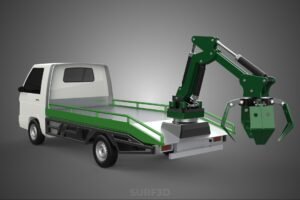
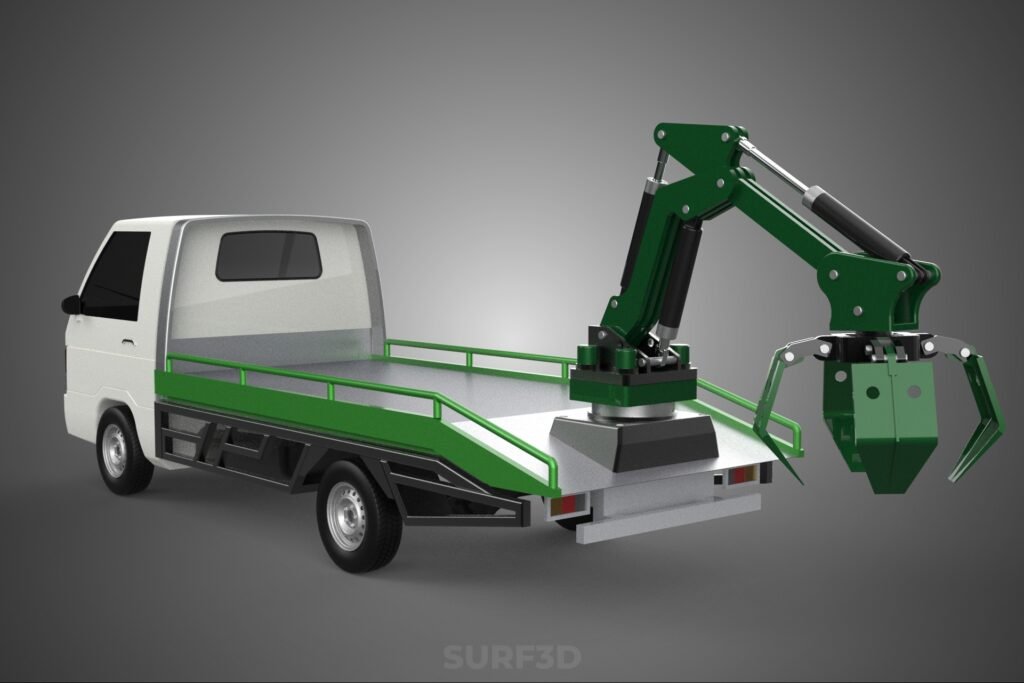
A pickup loader is a utility-oriented pickup vehicle designed to transport materials and equipment in an open or enclosed cargo area. Depending on the configuration, it may be used for construction supplies, agricultural materials, landscaping equipment, tools, machinery, or general commercial deliveries.
The main advantage is versatility. Unlike a dedicated heavy-duty truck, a pickup loader can usually handle everyday transportation while still providing useful cargo capacity. This makes it particularly attractive for businesses that need one vehicle to perform several jobs.
The vehicle’s usefulness depends heavily on its payload rating. Payload refers to the total weight the vehicle can safely carry, including cargo, passengers, accessories, and other items added after manufacture. A pickup that appears capable of carrying a large load may have a much lower practical capacity once passengers and equipment are included.
Payload vs. Towing Capacity
Payload and towing capacity are different measurements.
Payload describes weight carried directly by the vehicle. Towing capacity describes the weight of a trailer and its contents that the vehicle is rated to pull.
For example, a contractor carrying 1,000 pounds of tools, materials, and equipment needs to consider payload. If the same contractor pulls a trailer loaded with equipment, towing capacity, trailer weight, tongue weight, and braking requirements become important.
Understanding this distinction prevents a common mistake: assuming that a vehicle capable of towing a heavy trailer can automatically carry the same weight in its bed.
How to Choose the Right Pickup Loader
Selecting a suitable vehicle starts with the work rather than the vehicle’s appearance.
1. Calculate Your Typical Load
Make a realistic list of everything you expect to carry. Include tools, workers, fuel, spare tires, equipment, and materials.
Suppose a landscaping business regularly transports:
- Three workers weighing 180 pounds each
- 400 pounds of landscaping equipment
- 300 pounds of materials
- 100 pounds of tools
The combined load is already around 1,340 pounds. A vehicle with a payload rating close to that figure would provide little margin for unexpected cargo.
A better approach is to choose a vehicle with additional capacity rather than operating near its maximum rating every day.
2. Consider the Cargo Bed
Bed length and width matter when transporting awkward materials.
A shorter bed may work well for tools and compact equipment, while longer materials such as lumber, pipes, ladders, or agricultural supplies may require additional space. Bed height also matters because repeatedly lifting heavy objects into a tall cargo area can increase physical strain.
Consider how the cargo will be loaded. If workers frequently move heavy equipment manually, a lower loading height or suitable ramp system can make daily operations considerably easier.
3. Match the Drivetrain to the Environment
Two-wheel drive may be sufficient for paved roads and light-duty commercial work. Four-wheel drive can be valuable when the vehicle regularly operates on mud, loose gravel, construction sites, steep terrain, or agricultural land.
However, four-wheel drive does not eliminate the need for appropriate tires and sensible driving. Traction systems cannot compensate for excessive speed, poor weight distribution, or unsuitable tires.
4. Evaluate Engine and Transmission Performance
Engine size should be considered alongside the workload and terrain.
A vehicle that frequently carries heavy loads or operates on steep roads benefits from sufficient torque and an appropriately matched transmission. An oversized engine, however, may increase purchase and fuel costs without providing meaningful benefits for light-duty work.
Look at real operating conditions rather than relying solely on horsepower figures.
Step-by-Step Loading Strategy
Loading correctly is just as important as choosing the vehicle.
Step 1: Inspect the cargo.
Estimate the weight and identify items that could move during transportation.
Step 2: Place heavy items appropriately.
Heavy cargo should generally be positioned low and distributed properly instead of being concentrated at the extreme rear of the bed.
Step 3: Secure everything.
Use suitable tie-down equipment to prevent tools, boxes, and materials from shifting.
Step 4: Protect the cargo area.
A bed liner, protective mat, or appropriate cargo barrier can reduce damage from repeated commercial use.
Step 5: Check the vehicle before driving.
Inspect tires, lights, suspension, and load security before leaving.
For example, a contractor carrying bags of concrete should not simply stack them loosely in the bed. The load should be distributed appropriately, secured against movement, and kept within the manufacturer’s weight limits.
Common Mistakes and Challenges
One of the biggest mistakes is overloading. Drivers sometimes judge capacity by available physical space rather than weight. A cargo bed may have enough room for additional materials even though the vehicle has already reached its payload limit.
Another problem is poor weight distribution. Concentrating heavy objects toward one side can affect handling and place unnecessary stress on suspension components.
Ignoring tire specifications is another frequent issue. Tires must be capable of handling the actual load and operating conditions. Correct inflation is equally important because underinflation can generate excessive heat and accelerate wear.
Maintenance is also sometimes neglected when a pickup loader is used commercially. Frequent heavy loading can increase wear on brakes, tires, suspension components, wheel bearings, and drivetrain parts.
Practical Tips for Lower Operating Costs
A few habits can significantly improve long-term reliability.
Follow the maintenance schedule. Oil changes, brake inspections, fluid checks, and tire rotations should not be postponed simply because the vehicle still appears to run normally.
Monitor tire pressure regularly. Correct pressure improves handling, tire life, and fuel efficiency.
Avoid unnecessary idling. Commercial vehicles often spend considerable time stationary with the engine running. Reducing unnecessary idling can save fuel and reduce engine wear.
Inspect suspension components. If the vehicle regularly carries heavy loads, pay attention to unusual noises, uneven ride height, excessive bouncing, or abnormal tire wear.
Keep cargo organized. A well-organized vehicle makes loading faster and reduces the chance of loose equipment damaging other items.
Don’t treat maximum capacity as a daily target. A vehicle performs better when its normal workload remains comfortably below its maximum rated limits.
When a Pickup Loader May Not Be Enough
There is a point where upgrading to a larger commercial vehicle makes more sense. If your business regularly exceeds the pickup’s payload, requires specialized cargo equipment, or transports extremely heavy materials, continuing to overload a pickup is not an economical solution.
For instance, a construction company transporting large quantities of bricks every day may benefit more from a properly rated commercial truck. Meanwhile, a small maintenance company carrying tools, ladders, replacement parts, and occasional materials may find a pickup loader perfectly adequate.
The key is matching the vehicle to the actual job instead of choosing based solely on purchase price or appearance.
Conclusion
A pickup loader can provide an excellent balance between transportation, utility, and everyday practicality when selected and operated correctly. The most important considerations are payload capacity, cargo-bed dimensions, drivetrain, engine performance, tire specifications, and operating conditions.
Before purchasing one, calculate your typical load and leave a sensible safety margin. During operation, distribute and secure cargo properly, avoid exceeding manufacturer ratings, and maintain the vehicle consistently. These simple practices can improve safety, reliability, and operating costs while helping the vehicle deliver useful service for years.