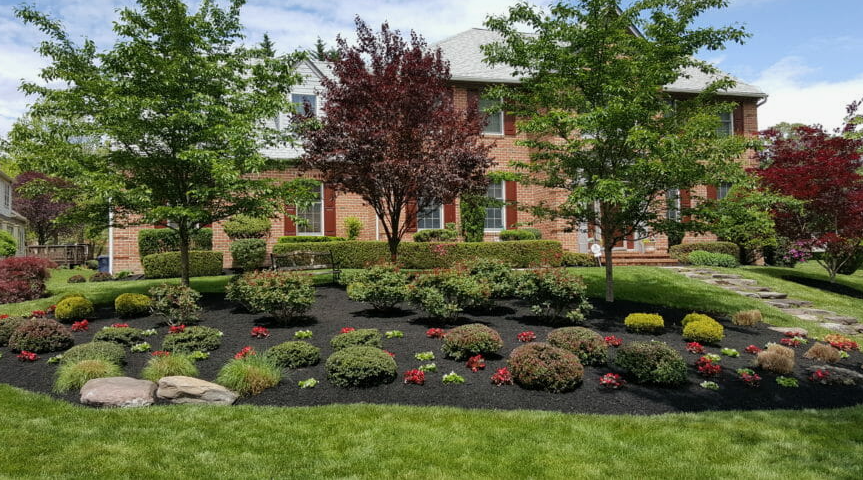
A thoughtfully planned landscape can transform the way a property looks, feels, and functions. In Colleyville, where homeowners often value attractive exteriors and usable outdoor areas, landscape installation colleyville tx can provide a practical way to improve curb appeal while creating spaces that support everyday living. A successful installation is about more than placing plants around a property. It involves evaluating the site’s sunlight, soil, drainage, grading, existing vegetation, and intended use before selecting materials and designing the layout.
Property owners considering landscape installation colleyville tx also need solutions that can remain attractive through changing weather and varying maintenance demands. A landscape may include lawns, trees, shrubs, flower beds, walkways, patios, retaining structures, lighting, drainage features, or outdoor gathering areas. When these elements are planned together, the finished property can feel cohesive rather than assembled piece by piece. Good installation also considers how the landscape will mature over time, helping homeowners avoid choices that look appealing initially but become difficult to maintain later.
Understanding the Landscape Installation Process
Landscape installation typically begins with understanding the property rather than immediately choosing plants or decorative materials. A site assessment can reveal areas with heavy shade, intense afternoon sunlight, compacted soil, standing water, erosion, slopes, or drainage concerns. These conditions influence nearly every subsequent decision. For example, a plant that performs well in one portion of the yard may struggle only a few feet away because of different sunlight or moisture levels. The installation plan should therefore connect design preferences with actual site conditions. Proper preparation may include removing unwanted vegetation, improving soil, adjusting grades, defining planting beds, and preparing areas for turf or hardscape materials. This groundwork is important because even high-quality plants and construction materials can perform poorly when installed on an unsuitable foundation.
Designing Outdoor Spaces Around Property Needs
A successful landscape should reflect how residents intend to use their property. A family that spends considerable time outdoors may prioritize a comfortable lawn, shaded seating area, patio, or clearly defined recreational space, while another homeowner may prefer low-maintenance planting beds and an attractive front entrance. The design should account for movement through the yard as well as views from inside the home. Walkways can connect important areas, planting beds can frame architectural features, and trees can provide shade without interfering with structures or utilities. Scale is equally important. Oversized features can overwhelm a smaller property, while insufficient planting can make a large yard feel unfinished. Considering function, proportion, privacy, maintenance, and long-term growth during the planning stage creates a stronger foundation for the installation.
Selecting Plants for Local Growing Conditions
Plant selection has a direct influence on the long-term performance of a newly installed landscape. Instead of choosing plants based solely on appearance, homeowners should consider sunlight exposure, soil characteristics, moisture requirements, mature size, seasonal behavior, and maintenance needs. Trees and shrubs should have enough room to reach their expected dimensions without eventually blocking windows, damaging structures, or crowding pathways. A mixture of evergreen and seasonal plants can provide structure while allowing changes in color and texture throughout the year. Native and well-adapted plants may also be valuable choices when their requirements match the property. Thoughtful plant selection can reduce unnecessary replacement and make routine care more manageable. The objective is to create a landscape where plants are positioned according to their needs rather than forcing incompatible species into the same growing environment.
The Importance of Soil Preparation and Drainage
One of the most overlooked parts of landscape installation is preparation below the visible surface. Soil condition affects root development, water movement, nutrient availability, and plant stability, so installation should not simply place new vegetation into existing ground without evaluation. Compacted areas may need improvement, while planting beds may require appropriate soil amendments based on their specific conditions. Drainage deserves equal attention because excessive moisture can create problems for both plants and hardscape features. Water should move away from structures and avoid repeatedly collecting in low areas. Correct grading can help direct runoff, while carefully planned drainage solutions can address persistent water-management problems. Investing attention in these foundational issues can make the finished landscape more resilient and reduce the likelihood of recurring problems after installation.
Integrating Hardscaping With Softscaping
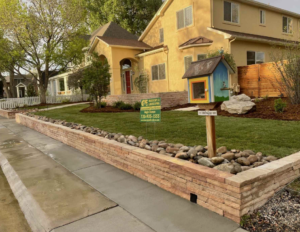
Hardscape and softscape elements work best when they are designed as parts of one landscape rather than separate projects. Patios, walkways, retaining walls, decorative stone, edging, and other structural features can provide useful boundaries and improve the usability of outdoor areas. Plants then soften those structures with color, texture, and natural forms. The relationship between the two should be considered carefully during installation. A pathway needs appropriate width and placement, while a retaining wall may need to accommodate drainage and changes in elevation. Planting areas should leave sufficient room for mature growth without obstructing hardscape surfaces. Materials should also complement the property’s architecture and existing exterior finishes. When hardscaping and planting are coordinated from the beginning, the result generally feels more intentional and visually balanced.
Creating a Practical Landscape Installation Plan
Before construction begins, homeowners can benefit from establishing a clear project scope. This includes deciding which areas will be redesigned, identifying essential features, setting priorities, and understanding which improvements can be completed immediately or in phases. A detailed plan can help control unexpected changes during installation and make it easier to evaluate proposals from landscaping professionals. Homeowners should also discuss material choices, plant sizes, irrigation requirements, drainage work, expected timelines, and post-installation care. It is important to distinguish between initial installation costs and ongoing maintenance requirements because a landscape that appears inexpensive to install may require considerably more attention later. A practical plan considers the total ownership experience, not just the appearance of the finished project on completion day.
Maintenance Considerations After Installation
Newly installed landscapes require appropriate care while plants establish their root systems and turf develops a healthy foundation. Watering schedules should reflect weather, soil conditions, plant requirements, and installation timing rather than following an inflexible routine. Newly planted trees and shrubs may need closer monitoring than established vegetation, particularly during periods of environmental stress. Mulch can help conserve soil moisture and provide a defined appearance to planting beds, but it should be applied appropriately and kept away from direct contact with tree trunks. Pruning should also be based on plant growth and purpose rather than performed simply to create uniform shapes. Early maintenance is especially important because small problems can become more difficult to correct as plants grow. A clear aftercare plan helps protect the investment made during installation and supports healthier development.
Why Professional Planning Can Improve Results
Professional landscape installation can bring value through coordinated planning, site preparation, material selection, and construction experience. Experienced installers can recognize practical issues that may not be obvious during an initial property walkthrough, including drainage patterns, difficult grading, plant spacing, irrigation conflicts, and access limitations. They can also help homeowners balance design preferences with realistic maintenance requirements. This does not mean every property needs an elaborate landscape; rather, professional input can help ensure that each component has a logical purpose. Careful installation can also reduce mistakes associated with improper planting depth, inadequate soil preparation, uneven grading, or poorly positioned hardscape features. For homeowners making a significant investment in their property’s exterior, attention to these details can contribute to a more cohesive and durable result.
Long-Term Benefits of a Well-Installed Landscape
A properly installed landscape can provide benefits long after the initial project is completed. Mature trees and thoughtfully positioned plants can add visual structure, while well-designed outdoor areas can make a property more comfortable and enjoyable. Functional walkways and patios can encourage outdoor use, and organized planting beds can make routine maintenance easier. A coherent landscape may also strengthen the property’s overall appearance by connecting architectural elements with the surrounding environment. Perhaps most importantly, good installation establishes a foundation for future improvements. Homeowners can gradually add lighting, seasonal plantings, outdoor furnishings, irrigation enhancements, or additional hardscape features without having to redesign the entire property. Planning for maturity and adaptability makes the landscape more useful as household needs change.
Conclusion
Landscape installation is an investment that should combine visual appeal with sound planning, appropriate materials, healthy plant selection, effective drainage, and long-term usability. From evaluating the property and preparing the soil to integrating hardscape features and establishing an aftercare routine, every stage can influence the performance of the finished landscape. Homeowners should focus on designs that suit their property’s conditions and their actual lifestyle rather than pursuing features that require unnecessary maintenance. By approaching landscape installation colleyville tx as a complete, long-term project instead of a simple cosmetic upgrade, property owners can create outdoor spaces that are attractive, functional, and easier to manage for years to come.