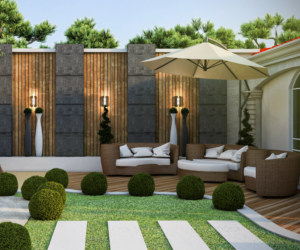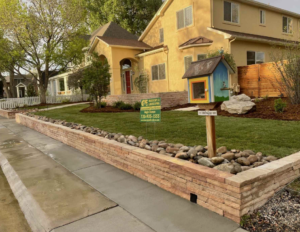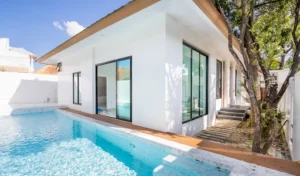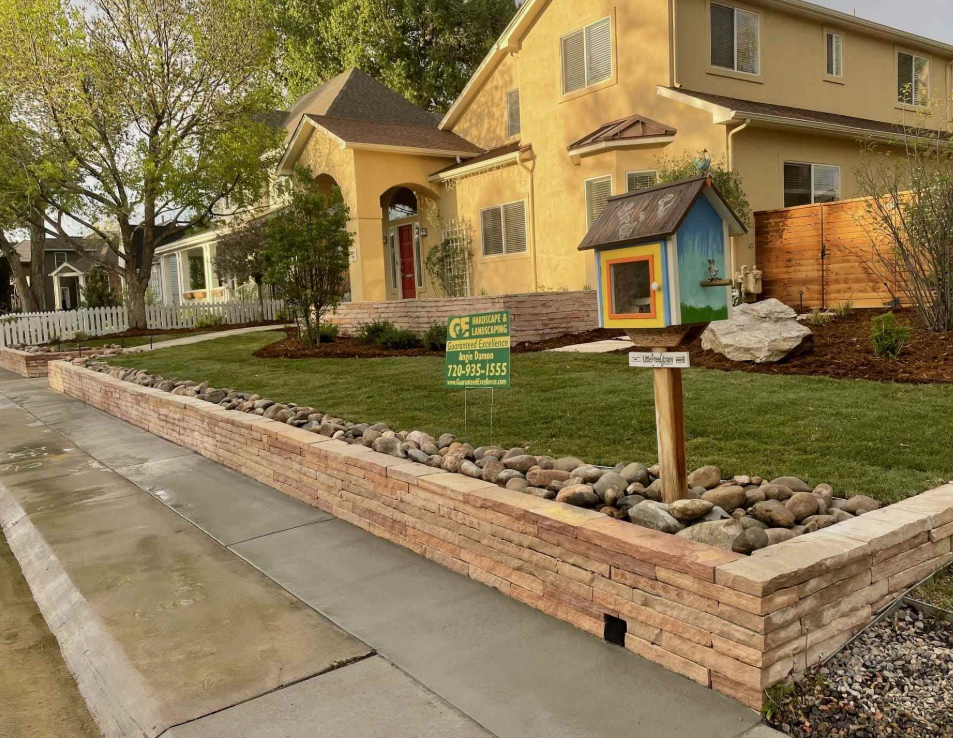
A thoughtfully designed landscape can change the way a homeowner experiences their entire property. Instead of viewing the backyard as an empty area surrounding the house, it can become a comfortable place for dining, entertaining, relaxing, and spending time outdoors. Choosing the right Denver Metro landscaping company is an important first step because successful landscape construction involves much more than planting trees or installing a lawn. Site conditions, drainage, grading, hardscape, plant selection, outdoor living features, and long-term maintenance all need to work together to create a practical and attractive result.
Today’s homeowners increasingly want outdoor spaces that function as an extension of their indoor living areas. Patios, outdoor kitchens, fire features, retaining walls, artificial turf, pools, spas, and landscape lighting can turn an ordinary yard into a personalized retreat. A full-service Denver Metro landscaping company can coordinate these features as part of one overall plan, helping homeowners avoid the challenges of managing several unrelated contractors. Red Rock Outdoor Living provides landscape design and construction services throughout the Denver Metro area, with an emphasis on customized outdoor environments built around each property’s needs and the homeowner’s vision.
Start With Professional Landscape Design
Good landscaping begins with a clear understanding of the property. Before construction or planting starts, important factors such as the home’s architecture, lot dimensions, elevation changes, soil conditions, drainage, sunlight, access, and existing vegetation should be evaluated. These details influence where patios, lawns, planting beds, walkways, retaining walls, and gathering spaces can be located. Professional landscape design also allows homeowners to think about how the yard will be used instead of selecting features individually. A family may need open lawn space for recreation, while another homeowner may prefer a dedicated outdoor dining area or a private retreat. By establishing a comprehensive plan first, each feature can support the others and contribute to a backyard that feels organized, balanced, and natural.
Build Outdoor Spaces Around Everyday Living
Modern landscape design increasingly focuses on usability. A backyard should provide spaces that encourage people to spend time outdoors, whether that means enjoying morning coffee, hosting friends, preparing meals, or gathering around a fire in the evening. The placement of outdoor living features can have a significant impact on convenience. For example, an outdoor kitchen located close to the home’s kitchen can make entertaining easier, while a patio positioned to take advantage of a desirable view can create a more enjoyable seating area. Circulation should also be considered so guests can move comfortably between the house, patio, lawn, and other features. Thoughtful design avoids overcrowding and gives each section of the yard a defined purpose. The result is a landscape that looks attractive while supporting the routines and activities that matter most to the homeowner.
Choose Hardscape Materials for Beauty and Durability
Hardscape features provide structure and usable surfaces throughout the landscape. Patios, walkways, retaining walls, steps, and outdoor gathering areas can be constructed using materials that complement the architecture and surrounding environment. Pavers, flagstone, and concrete offer different aesthetic and functional possibilities, allowing homeowners to select an approach that suits the property’s style and intended use. Material selection should also consider traffic, furniture, maintenance, exposure to weather, and the relationship between different outdoor areas. Borders, patterns, textures, and transitions can add visual interest without making the design feel excessive. When hardscape materials are selected as part of a complete landscape plan, they can create visual continuity between the home, patio, planting areas, and other outdoor features rather than appearing as isolated additions.
Address Grading and Drainage From the Beginning
Technical preparation is an essential part of landscape construction. Water needs to move appropriately across the property without creating standing water, erosion, or drainage problems near the home. Grading can become especially important when a property contains slopes or when patios, retaining walls, lawns, and planting areas must connect at different elevations. Proper preparation should be addressed before finished landscaping is installed because correcting drainage or grading problems later can require disturbing completed work. Retaining walls can also help create usable areas on sloped properties while providing structural definition. A qualified contractor should evaluate how water moves through the site and incorporate appropriate solutions into the overall design. Paying attention to these underlying conditions helps create a landscape that is not only visually appealing but also practical and resilient.
Consider Low-Maintenance Landscaping Options
Landscaping should reflect the amount of maintenance a homeowner is realistically willing to provide. Some homeowners enjoy gardening and prefer extensive planting areas, while others want a yard that requires less regular mowing, watering, pruning, and seasonal care. Artificial turf can provide a green recreational surface with different maintenance requirements from traditional lawn, while carefully selected plants can help reduce unnecessary upkeep. Decorative rock, mulch, and strategically designed hardscape can also contribute to a manageable landscape. The objective is not necessarily to eliminate maintenance but to create an appropriate balance between living plants, lawn, hardscape, and outdoor features. Discussing maintenance expectations during the design process allows homeowners to make informed decisions that remain practical after the initial installation is complete.
Create Privacy Without Sacrificing Design
Privacy can make a backyard significantly more comfortable, particularly in neighborhoods where homes are positioned close together. Landscaping can provide screening through trees, shrubs, layered plantings, fencing, walls, and decorative structures. Different approaches can be combined depending on how much privacy is needed and how quickly the homeowner wants the result to develop. Trees and shrubs may provide natural screening as they mature, while fences and architectural elements can establish more immediate separation. Privacy should be considered from the perspectives of the home’s windows, neighboring properties, patios, and primary gathering areas. Incorporating screening into the original landscape design generally produces a more natural appearance than adding privacy solutions after the yard has already been completed.
Plan New Construction Landscaping Carefully
New homes offer homeowners an excellent opportunity to establish a landscape from the ground up. However, new construction sites can require substantial preparation before they are ready for finished landscaping. Soil compaction, unfinished grading, drainage requirements, irrigation, lawn installation, planting, patios, and other features may all need to be coordinated with the construction schedule. Early planning can help homeowners and builders establish a logical sequence of work and account for applicable landscape approvals or HOA requirements. Red Rock Outdoor Living works with new construction projects and provides landscaping solutions for homeowners, builders, and communities in the Denver Metro area. A coordinated approach can help transform a basic construction site into a finished outdoor environment without forcing homeowners to manage every component independently.
Integrate Fire Features and Entertainment Areas
Fire pits and fireplaces can provide a natural focal point for an outdoor gathering space. When properly incorporated into a landscape plan, they can define a seating area and create an inviting setting for entertaining. Their placement should account for circulation, furniture, surrounding materials, access, and the overall scale of the backyard. An outdoor kitchen can similarly become a central feature for homeowners who enjoy preparing meals outside. Combining cooking, dining, seating, and fire features can create multiple functional zones without requiring an excessively large property. The important consideration is balance. Each feature should have enough surrounding space to remain comfortable and accessible. Coordinating these elements during the design phase can produce a more cohesive result than installing each feature independently.
Work With a Full-Service Landscape Contractor
Choosing a contractor capable of handling multiple aspects of a project can simplify a complex backyard transformation. Homeowners may otherwise need to coordinate separate companies for patios, landscaping, retaining walls, outdoor kitchens, turf, lighting, pools, or other improvements. A full-service contractor can approach these components as parts of one overall design and help maintain consistency throughout the project. is a locally operated landscape construction company serving Thornton and the greater Denver Metro area. Its services include landscape design and construction, patios, outdoor kitchens, retaining walls, fire pits, artificial turf, patio covers, pools and spas, and complete outdoor remodels. The company also offers consultations and detailed estimates, allowing homeowners to discuss project goals before construction begins.
Plan the Landscape for Long-Term Value
A landscape should be designed to work not only immediately after installation but also as the property develops. Plants will mature, outdoor habits may change, and homeowners may eventually want additional features. Planning with the future in mind can make these changes easier to accommodate. For example, a patio layout can leave room for a future outdoor kitchen, while planting areas can be positioned so mature trees do not interfere with structures or pathways. Homeowners should also consider maintenance and replacement costs when selecting materials and plants. A practical landscape balances visual appeal, usability, construction quality, and ongoing care. Investing in thoughtful planning at the beginning can help reduce the need for major changes later and allow the backyard to evolve naturally with the household.
Conclusion
The right Denver Metro landscaping company can help turn an ordinary yard into a functional outdoor environment designed around the property and the people who use it. From landscape design and grading to patios, planting, outdoor kitchens, fire features, privacy solutions, turf, and other improvements, every component should contribute to a clear overall vision. Homeowners can achieve better results by considering their lifestyle, maintenance preferences, budget, and future plans before construction begins. A professionally planned landscape is not simply about improving curb appeal; it is about creating outdoor spaces that are comfortable, practical, and connected to the home. With careful design and quality construction, a Denver Metro backyard can become a lasting setting for relaxation, entertainment, and everyday outdoor living.