A thoughtfully designed landscape can do far more than improve the appearance of a property. It can create comfortable areas for entertaining, relaxing, dining, recreation, and enjoying the outdoors throughout the year. Choosing the right Denver Metro landscaping company is an important first step because successful landscaping requires more than planting and basic yard maintenance. A complete project may involve grading, drainage, patios, retaining walls, planting, turf, outdoor kitchens, fire features, lighting, and other improvements that need to work together. When these elements are carefully planned, an ordinary backyard can become a functional extension of the home.
For homeowners considering a Denver Metro landscaping company, customization is particularly important. Every property has different dimensions, architectural features, slopes, soil conditions, and lifestyle requirements. Some homeowners may want a simple landscape improvement, while others are planning a complete outdoor transformation with entertaining areas, a pool or spa, and custom hardscaping. Red Rock Outdoor Living is a locally owned landscape construction company serving Thornton and the greater Denver Metro area, providing landscape design and build services alongside patios, outdoor kitchens, retaining walls, artificial turf, fire features, pools, spas, and full outdoor remodels.
Why Professional Landscape Planning Matters
A successful landscape begins with a clear understanding of the property and the homeowner’s goals. Professional planning considers how the yard is currently used, where people enter and leave the property, how sunlight reaches different areas, and how existing grades influence drainage. It also considers the relationship between the house and outdoor spaces. A patio positioned near the kitchen, for example, can make outdoor dining more convenient, while strategically placed planting areas can improve privacy and soften hardscape features. Planning these relationships before construction begins helps prevent a collection of disconnected improvements. Instead, the property can be organized into functional zones that complement one another. Professional landscape planning is therefore valuable not only for aesthetics but also for creating a yard that remains practical as the homeowner’s needs evolve.
Designing Outdoor Spaces Around Your Lifestyle
The ideal backyard depends on how the property will actually be used. Families may need open areas for children and pets, while homeowners who frequently host guests may prioritize spacious dining and seating zones. Others may want a private retreat with comfortable furniture, landscaping, shade, and a fire feature. Outdoor cooking enthusiasts can benefit from a kitchen designed with appropriate preparation space, storage, seating, and convenient access to the home. These requirements should be identified before the final layout is established. Considering furniture sizes, walking paths, entertaining habits, and future additions can help avoid overcrowding. A well-designed landscape does not simply contain as many features as possible; it gives each feature enough space to perform its intended function while maintaining comfortable circulation throughout the yard.
Combining Hardscape and Landscape Features
Hardscape features provide structure to an outdoor environment, while plants and natural materials help soften and connect those constructed areas. Patios, walkways, retaining walls, steps, and outdoor kitchens can establish the framework of a backyard, while trees, shrubs, flowers, ornamental grasses, sod, and decorative rock can add texture and visual interest. The strongest designs consider these elements together. A retaining wall, for instance, can address a change in elevation while also defining a planting bed or seating area. A pathway can connect a patio with a lawn or garden, making movement through the yard feel natural. Repeating complementary materials and colors can also create continuity between different areas. This balance allows homeowners to enjoy functional construction without losing the natural character that makes an outdoor space inviting.
Considering Drainage and Grading
Drainage is an essential part of landscape construction because water movement can affect both the appearance and performance of a property. Existing slopes, soil conditions, structures, and hardscape areas all influence how water travels through a yard. Proper grading can help direct water toward suitable drainage areas and away from vulnerable locations. Additional drainage solutions may be necessary where natural conditions create potential pooling or erosion concerns. These considerations are particularly important when installing patios, retaining walls, outdoor structures, or extensive planting areas. Drainage should be incorporated into the design before construction rather than addressed after problems appear. Although grading and drainage work may not be visible in the completed landscape, they are fundamental to creating an outdoor environment that performs properly Materials for DurMaterial selection can have a significant impact on the finished character of a landscape. Pavers, concrete, natural stone, retaining wall products, decorative rock, turf, and other materials each offer different appearances and maintenance requirements. Homeowners should consider how frequently an area will be used, how much maintenance they prefer, and how the selected materials complement the home’s existing architecture. A patio used for regular entertaining may require different considerations than a decorative pathway or garden border. Color and texture should also be evaluated in the context of the entire property. Rather than selecting materials independently, homeowners can create a more cohesive landscape by using complementary finishes across patios, walkways, walls, and other features. A professional design process can help balance personal over time.
Choosing Materials for Durability and Appearance
Material selection can have a significant impact on the finished character of a landscape. Pavers, concrete, natural stone, retaining wall products, decorative rock, turf, and other materials each offer different appearances and maintenance requirements. Homeowners should consider how frequently an area will be used, how much maintenance they prefer, and how the selected materials complement the home’s existing architecture. A patio used for regular entertaining may require different considerations than a decorative pathway or garden border. Color and texture should also be evaluated in the context of the entire property. Rather than selecting materials independently, homeowners can create a more cohesive landscape by using complementary finishes across patios, walkways, walls, and other features. A professional design process can help balance personal preferences with practical requirements.
Creating Outdoor Living and Entertainment Areas
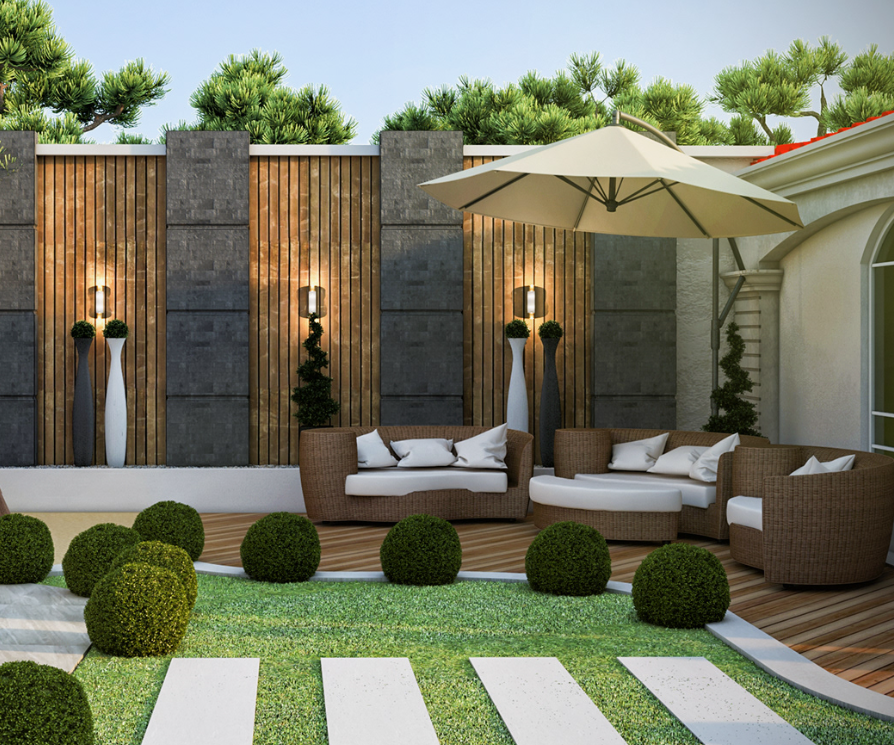
Outdoor living spaces can make a backyard more versatile by providing dedicated areas for cooking, dining, relaxing, and gathering. An outdoor kitchen can serve as the center of an entertainment area, while a nearby dining space provides convenient room for meals. Fire pits and fireplaces can create comfortable gathering points during cooler evenings, and patio covers can offer shade and additional protection from the elements. Lighting can improve visibility and extend the usefulness of outdoor areas after sunset. These features should be positioned according to circulation and function rather than simply placed wherever space is available. When an outdoor living area is planned as a complete environment, homeowners can move naturally between different activity zones without making the yard feel crowded or confusing.
Artificial Turf and Low-Maintenance Landscape Options
Maintaining a traditional lawn can require regular watering, mowing, and seasonal care, which is why some homeowners consider artificial turf as part of a broader landscape project. Synthetic turf can provide a consistently green surface and may be particularly useful in areas where homeowners want recreational space without routine mowing. However, turf should still be selected and installed according to the property’s needs. Drainage, surface preparation, intended use, surrounding landscaping, and maintenance expectations should all be evaluated. Other low-maintenance strategies can include carefully selected planting areas, durable hardscape materials, and landscape layouts that reduce unnecessary upkeep. The goal should not necessarily be to eliminate maintenance completely but to create a realistic balance between the desired appearance, functionality, and amount of ongoing care the homeowner is prepared to provide.
Choosing the Right Landscaping Company
Selecting a landscaping contractor requires attention to more than price. Homeowners should consider the company’s ability to handle both design and construction, its range of services, communication practices, and familiarity with the types of projects being considered. A detailed consultation should provide an opportunity to discuss the property’s existing conditions, desired features, materials, budget, access, and project timeline. When several outdoor improvements are planned together, having one team coordinate the work can simplify communication and help maintain consistency throughout the project. Red Rock Outdoor Living describes itself as a full-service landscaping and outdoor living company, with an in-house design team and hands-on construction approach. Its stated service area includes Thornton and communities throughout the greater Denver Metro region, while its projects can include everything from custom patios and retaining walls to outdoor kitchens, turf, pools, spas, and complete outdoor remodels.
Planning for Long-Term Landscape Maintenance
A landscape should be designed with its future maintenance requirements in mind. Plants need appropriate sunlight, watering, pruning, and seasonal care, while hardscape features benefit from periodic cleaning and inspection. Homeowners should communicate their maintenance preferences during the design process so that plant choices, turf, hardscape, and layout reflect the level of upkeep they are comfortable managing. Accessibility is another consideration because planting beds, drainage areas, irrigation components, and other features should remain reasonably easy to maintain. Regular observation can also help homeowners identify small concerns before they become larger issues. A landscape that looks impressive immediately after installation but is difficult to maintain may not remain attractive over the long term. Practical design should therefore consider not only how the yard will look when completed but also how it will be cared for afterward.
Conclusion
A successful landscape combines thoughtful design, quality construction, suitable materials, effective drainage, and features that reflect the homeowner’s lifestyle. From patios and retaining walls to outdoor kitchens, turf, fire features, pools, planting areas, and lighting, every component should contribute to a larger and clearly defined purpose. Homeowners searching for a Denver Metro landscaping company should evaluate contractors based on their ability to understand the property, develop a cohesive plan, communicate clearly, and execute the project carefully. Red Rock Outdoor Living offers a broad range of landscape design, construction, and outdoor living services for properties throughout the Denver Metro area, making it possible to coordinate multiple improvements within one overall vision. By prioritizing functionality alongside appearance and planning for long-term use, homeowners can create an outdoor environment that adds comfort, character, and practical enjoyment to their property.