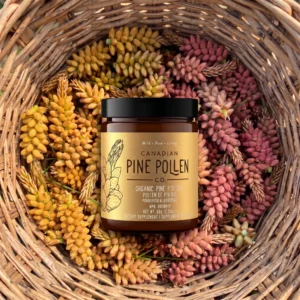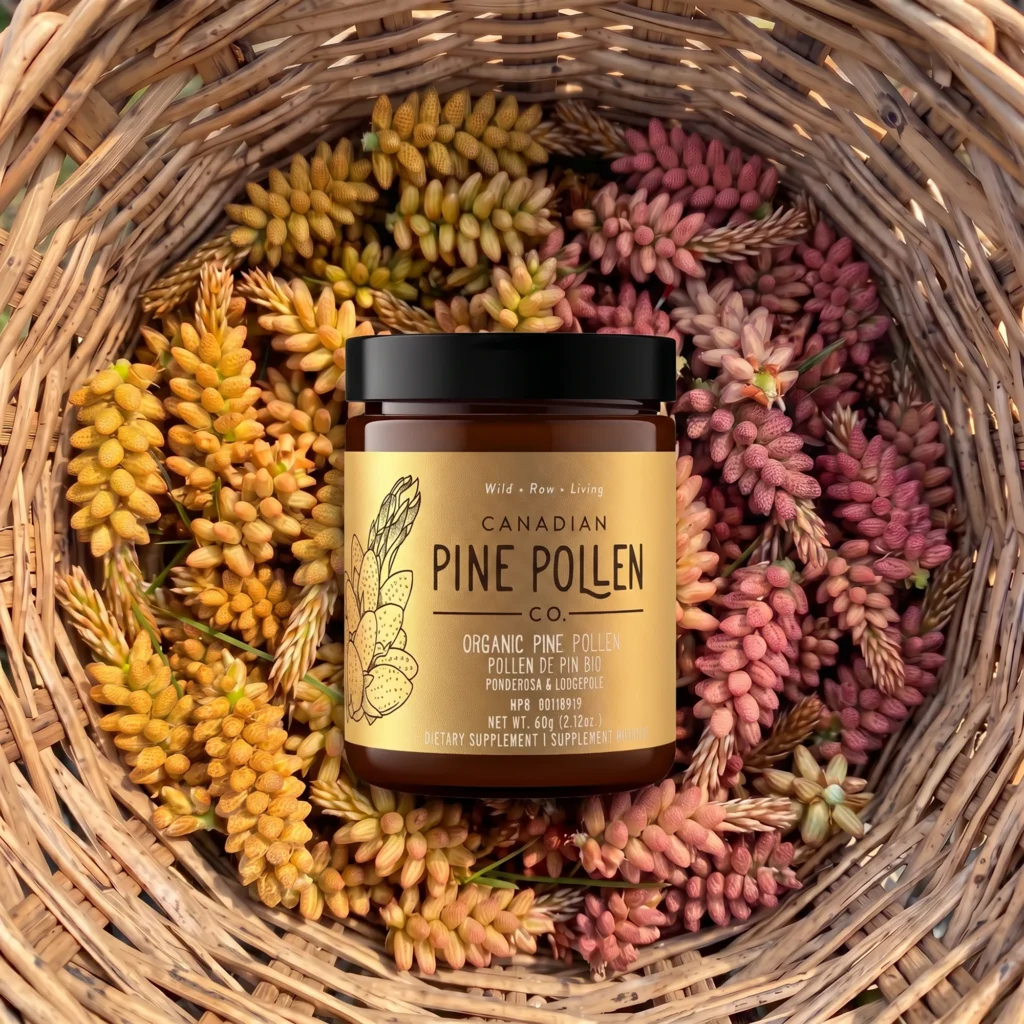
Pine Pollen Powder Extract
Pine pollen tincture has gained attention among people interested in herbal wellness, traditional plant-based remedies, and natural supplements. Made by extracting compounds from pine pollen into a liquid, this product is often marketed for its nutritional content and potential health benefits. Its liquid format also makes it convenient for people who prefer tinctures over capsules or powders.
However, choosing the best pine pollen tincture requires more than selecting a popular brand or a product with positive customer reviews. Ingredients, extraction methods, product quality, testing standards, and transparent labeling are all important factors to consider. It is also essential to understand what scientific research says about pine pollen and which health claims remain unproven.
This guide explains what pine pollen tincture is, its potential benefits, how to compare products, and what to look for before making a purchase.
What Is Pine Pollen Tincture?
Pine pollen tincture is a liquid herbal preparation made from pollen collected from pine trees. Pine pollen is the fine, yellowish powder released by male pine cones during the reproductive cycle of pine trees. It has a history of use in traditional practices, particularly in parts of Asia.
The pollen naturally contains various nutrients and plant compounds, including amino acids, proteins, minerals, lipids, and other biologically active substances. The exact composition depends on the pine species, growing environment, harvesting conditions, and processing techniques.
A tincture is generally produced by extracting selected compounds from plant material using a liquid solvent. Many herbal tinctures use alcohol and water, while some products are made with glycerin or other alcohol-free extraction methods.
Pine pollen tinctures are commonly sold in small bottles with droppers, allowing users to measure liquid servings conveniently. However, the concentration and composition can vary considerably between manufacturers, making product labels particularly important.
Potential Benefits of Pine Pollen Tincture
Pine pollen is promoted for several wellness-related purposes. Nevertheless, it is important to distinguish between traditional use, laboratory findings, and benefits demonstrated in human clinical trials.
1. Provides Naturally Occurring Plant Compounds
Pine pollen contains a variety of naturally occurring compounds, including amino acids, fatty acids, and antioxidant-related substances. These components have attracted scientific interest because certain plant compounds can participate in biological processes associated with oxidative stress and cellular function.
However, the presence of these substances does not automatically mean that a tincture delivers meaningful nutritional benefits. Extraction methods may affect which compounds are present in the finished product and in what quantities.
Consumers should look for manufacturers that provide clear ingredient information and, where available, independent laboratory testing.
2. Supports Interest in Traditional Herbal Wellness
Pine pollen has been used in traditional herbal practices for generations. Today, some consumers include pine pollen products in broader wellness routines that may involve balanced nutrition, physical activity, and healthy sleep habits.
Traditional use can provide a starting point for scientific investigation, but it does not establish that a product treats or prevents a medical condition.
The best pine pollen tincture should therefore be viewed as a botanical supplement rather than a replacement for proven medical treatments or essential healthy lifestyle practices.
3. Contains Compounds Studied for Antioxidant Activity
Some compounds found in pine pollen have been investigated for antioxidant activity. Antioxidants are substances that can help neutralize certain reactive molecules under appropriate conditions.
Laboratory research involving plant extracts may help scientists identify compounds worth studying further. However, results from laboratory experiments do not necessarily translate into measurable health improvements in people.
There is currently insufficient high-quality human evidence to conclude that taking pine pollen tincture provides specific antioxidant-related health benefits.
4. Offers a Convenient Liquid Format
One practical advantage of a tincture is its liquid form. People who have difficulty swallowing capsules may find liquid supplements easier to use.
A dropper can also make serving measurements convenient when the manufacturer provides clear instructions. Nevertheless, a dropper does not guarantee accurate dosing unless the bottle includes appropriate measurements and the extract’s concentration is clearly stated.
Consumers should compare the recommended serving size, ingredient concentration, and total amount of extract rather than assuming that all tinctures are equally potent.
How to Choose the Best Pine Pollen Tincture
Not every product marketed as pine pollen tincture offers the same level of transparency or quality. The following factors can help consumers evaluate available options.
1. Check the Ingredient List
Start by examining the complete ingredient list. A straightforward product should clearly identify pine pollen and disclose any additional ingredients, including alcohol, water, glycerin, preservatives, or flavoring agents.
The botanical source should be specified whenever possible. Different pine species may have different chemical profiles, so identifying the source provides useful information about the product.
Avoid products with unclear proprietary blends that make it difficult to determine what the bottle contains.
2. Look for Independent Laboratory Testing
Third-party testing is an important quality consideration for botanical supplements. Ideally, a manufacturer should be able to provide a recent certificate of analysis for the specific product or batch.
Depending on the product, testing may evaluate identity, microbial contamination, heavy metals, pesticides, and other relevant contaminants.
A certificate of analysis should identify the tested material and explain the results. A generic statement that a product is laboratory tested is less informative when the manufacturer cannot provide supporting documentation.
Independent testing does not prove that a supplement is effective, but it can provide additional confidence in its identity and quality.
3. Understand the Extraction Method
Extraction methods influence the compounds present in a botanical preparation. Alcohol-based tinctures, glycerin-based extracts, and other liquid preparations may differ in composition and concentration.
Manufacturers may also use different ratios of starting material to finished extract. For example, a stated extraction ratio can help describe how much raw material was used relative to the final extract, although it does not independently establish potency or clinical effectiveness.
Choose a product whose extraction method and concentration information are clearly explained rather than relying exclusively on marketing terms such as premium, concentrated, or extra strength.
4. Review the Manufacturer’s Transparency
Reliable supplement companies generally provide accessible information about their products, manufacturing practices, contact details, and quality standards.
Look for a clearly identified manufacturer, a complete label, batch or lot information, an expiry date, and appropriate storage instructions.
Manufacturing certifications can also be useful, but they should be interpreted correctly. Compliance with good manufacturing practices relates to production and quality controls; it does not demonstrate that a product has proven medical benefits.
5. Compare Price and Value
The cheapest pine pollen tincture is not necessarily the best option, and a high price does not automatically indicate superior quality.
Compare bottle volume, extract concentration, serving size, number of servings, and testing documentation. A larger bottle may provide better value only if its composition and quality are comparable.
Be cautious of products that justify unusually high prices with unsupported claims about hormones, rapid muscle growth, increased testosterone, or dramatic improvements in energy.
Pine Pollen Tincture vs. Powder and Capsules
Pine pollen is available in several forms, each with different practical considerations.
Tinctures: Liquid preparations are convenient for people who prefer droppers or have difficulty swallowing pills. Their alcohol content, concentration, and serving measurements vary by product.
Powders: Powdered pine pollen can be mixed into food or beverages. Consumers should check whether the pollen has undergone processing intended to improve digestibility or release compounds from its outer structure.
Capsules: Capsules offer convenient, premeasured servings and may be preferable for people who dislike the taste of botanical extracts.
There is not enough comparative human research to establish that tinctures are generally more effective than powders or capsules. The most appropriate format depends on individual preferences, ingredient transparency, quality controls, and professional advice when needed.
Is Pine Pollen Tincture Safe?
Natural products can still cause adverse reactions. Pine pollen may trigger allergic responses in susceptible individuals, particularly those with pollen allergies or sensitivities to related plant materials.
Alcohol-based tinctures may be unsuitable for people who need to avoid alcohol because of medical conditions, medications, pregnancy, recovery from alcohol dependence, or personal circumstances. Alcohol-free products should still be evaluated for their ingredients and quality.
People who are pregnant or breastfeeding, taking prescription medicines, managing chronic health conditions, or preparing for surgery should consult a qualified healthcare professional before using pine pollen supplements.
Claims that pine pollen reliably increases testosterone, improves fertility, balances hormones, or treats a medical condition should be approached cautiously. Human clinical evidence supporting these claims is limited, and the actual composition of commercial products can vary.
If you experience symptoms such as difficulty breathing, swelling of the lips or throat, or a severe allergic reaction after taking a supplement, seek emergency medical care.
How to Use Pine Pollen Tincture Responsibly
The appropriate serving depends on the product’s formulation, concentration, and manufacturer instructions. There is no universally established, evidence-based dosage for pine pollen tincture that applies to every product.
Read the label carefully and do not assume that a certain number of drops from one bottle is equivalent to the same number from another. Avoid increasing the serving in an attempt to achieve faster or stronger results.
It is also wise to introduce supplements cautiously and monitor for unwanted reactions. Keep the bottle stored according to the manufacturer’s instructions and out of the reach of children.
If your goal is to address fatigue, hormonal symptoms, reduced libido, or another persistent health concern, consult a healthcare professional to identify possible underlying causes instead of relying on an unproven herbal supplement.
Common Mistakes to Avoid When Buying Pine Pollen Tincture
Several purchasing mistakes can make it difficult to identify a suitable product.
First, do not rely solely on customer reviews. Reviews can describe taste, packaging, and convenience, but they cannot establish clinical effectiveness or verify laboratory quality.
Second, avoid confusing natural ingredients with proven treatments. A product’s traditional history or botanical origin does not guarantee safety or effectiveness.
Third, do not assume that a higher concentration means better results. Concentration figures are useful only when the manufacturer explains what they represent and provides reliable product information.
Finally, avoid supplements that promise immediate results, claim to cure diseases, or advertise dramatic hormonal changes without credible clinical evidence.
Conclusion
Choosing the best pine pollen tincture starts with understanding the product rather than relying on bold advertising claims. A suitable option should have a clearly identified botanical source, transparent ingredients, a documented extraction method, reliable manufacturing practices, and accessible quality-testing information.
Pine pollen contains naturally occurring plant compounds and has a history of traditional use, but scientific evidence supporting specific health benefits from commercial tinctures remains limited. Consumers should be particularly cautious about claims involving testosterone, fertility, muscle growth, and hormone regulation.
Before purchasing a pine pollen tincture, compare the formulation, testing documentation, serving instructions, and overall value. If you have allergies, take medications, or have an existing health condition, seek professional advice before use.
Ultimately, the best product is not necessarily the most expensive or the one making the strongest promises. It is the one with transparent quality information, realistic claims, and a formulation appropriate for your individual circumstances.