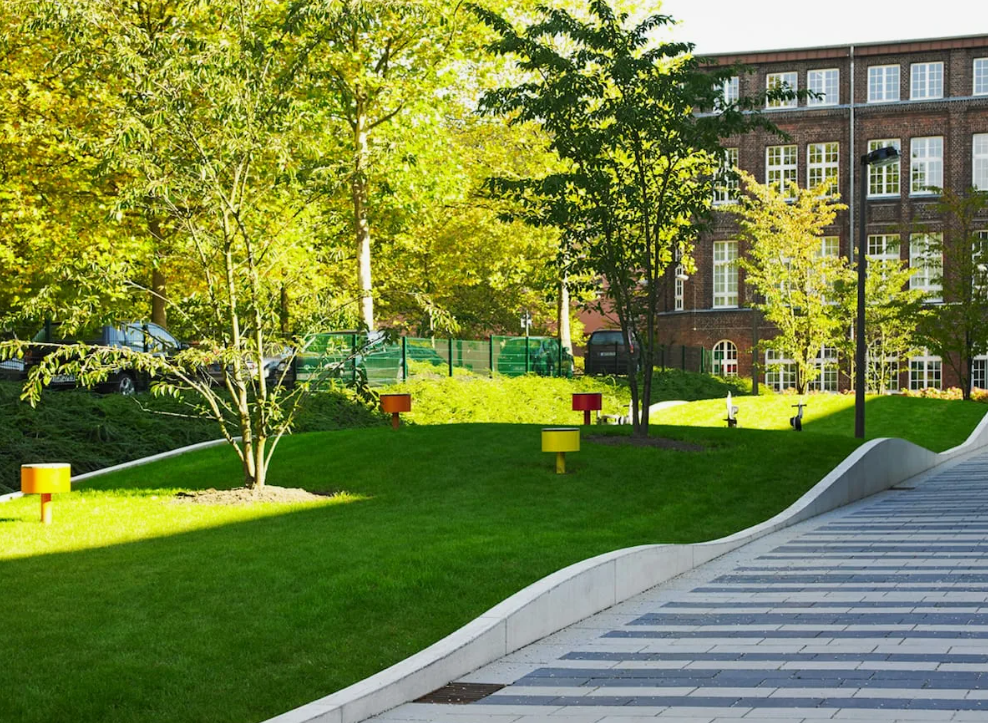
A well-maintained commercial landscape does more than surround a building with attractive plants and green spaces. It creates an immediate impression of professionalism, influences how customers perceive a property, and contributes to a more welcoming environment for employees, visitors, and tenants. Businesses looking for dependable outdoor maintenance often turn to a commercial landscaping company southlake tx to manage the appearance, health, and functionality of their exterior spaces throughout changing seasons. From office campuses and retail centers to hospitality properties and professional facilities, thoughtful landscape management can make outdoor areas cleaner, safer, and more useful.
Choosing the right commercial landscaping company southlake tx is particularly important for property owners and managers who need consistent results without adding landscape responsibilities to their internal workload. Commercial properties have different demands than residential yards, including larger service areas, high-traffic zones, irrigation requirements, seasonal maintenance, and strict expectations for presentation. A professional approach should therefore go beyond occasional mowing and trimming. It should consider the entire landscape as an ongoing asset that requires planning, observation, maintenance, and timely improvements to remain attractive and functional.
Understanding the Value of Professional Commercial Landscaping
Commercial landscaping encompasses much more than basic lawn care because business properties must maintain a consistent appearance while accommodating employees, customers, vehicles, pedestrians, signage, drainage systems, and building access. Professional landscape management can coordinate routine mowing, pruning, edging, planting, irrigation monitoring, weed control, seasonal color, and general site cleanup according to the property’s needs. A coordinated maintenance strategy also helps identify problems before they become expensive disruptions, such as stressed vegetation, damaged irrigation components, overgrown planting beds, poor drainage, or declining turf. For property managers, this organized approach creates a predictable maintenance process and helps ensure that outdoor areas support rather than detract from the property’s overall presentation.
Why Landscape Appearance Matters for Businesses
The exterior of a commercial property often forms a customer’s first physical impression of a business, making landscape condition an important part of the overall experience. Overgrown shrubs, inconsistent turf, neglected planting beds, or poorly maintained entryways can make an otherwise professional facility appear unattended, while orderly vegetation and clean hardscape areas can create a stronger sense of care. Landscape quality can also influence the experience of employees and tenants who use the property every day. Comfortable shaded areas, attractive pedestrian routes, and well-maintained common spaces can make an environment more pleasant without requiring major structural changes. The objective is not simply to make a property look decorative but to create an exterior that communicates organization, supports usability, and complements the architecture.
How to Select a commercial landscaping company southlake tx
Selecting a landscaping provider should begin with the property’s actual requirements rather than with price alone. Property owners should consider the size and layout of the site, frequency of maintenance, turf and plant varieties, irrigation infrastructure, seasonal expectations, and areas that receive particularly heavy traffic. It is also useful to determine how the provider handles communication, service scheduling, unexpected landscape problems, and changes in property needs. A suitable provider should be able to explain what maintenance activities are appropriate for the site and how those activities will be coordinated over time. Clear expectations are especially valuable for commercial properties because missed service or inconsistent maintenance can become visible quickly. Evaluating experience with similar property types and looking for a practical, site-specific maintenance strategy can help businesses make a more informed decision.
Building a Landscape Maintenance Strategy That Lasts
Effective landscape maintenance depends on consistency and timing. Grass should be maintained according to its growth patterns rather than treated identically throughout the year, while shrubs and ornamental plants require pruning practices appropriate to their species and condition. Irrigation should also be monitored because excessive watering can be as problematic as insufficient moisture, potentially affecting plant health and increasing unnecessary water use. Seasonal adjustments can include preparing beds for temperature changes, managing fallen leaves, refreshing mulch, replacing declining plants, and inspecting irrigation equipment. For businesses, a proactive maintenance schedule can reduce the likelihood of sudden deterioration and keep the property looking orderly between major landscape improvements. When the maintenance plan is based on actual site conditions, resources can be directed toward the areas where they provide the greatest practical benefit.
Improving Safety, Accessibility, and Outdoor Function
A commercial landscape must be attractive, but it also needs to function safely around people and property. Vegetation should not obstruct walkways, entrances, visibility areas, lighting, signage, or important building features. Tree branches may need attention when they interfere with pedestrian movement, vehicles, or structures, while irrigation overspray should be controlled around sidewalks and other hard surfaces. Maintaining clear routes can improve accessibility and reduce avoidable hazards caused by excessive growth, debris, or poorly managed landscape elements. Businesses can also improve outdoor functionality by considering how employees and visitors actually move through the property. Landscape design and maintenance should work together with parking areas, entrances, gathering spaces, and service zones rather than treating planting beds and turf as isolated features.
Choosing Plants and Materials for Long-Term Performance
The most attractive landscape is not necessarily the one with the greatest number of plants or the most elaborate design. Commercial properties generally benefit from selecting vegetation and landscape materials that are appropriate for local growing conditions, available maintenance resources, sunlight exposure, drainage characteristics, and expected foot traffic. Plants that are poorly suited to a site’s conditions may require excessive replacement or intervention, reducing the value of the original investment. Durable mulch, properly placed edging, suitable ground covers, and thoughtfully selected shrubs can help create planting areas that remain manageable over time. Plant diversity can also contribute to visual interest while reducing reliance on a single type of vegetation. A practical landscape plan balances appearance with maintenance demands so that the property remains attractive without becoming unnecessarily difficult or expensive to manage.
Making Professional Landscaping Part of Property Management
Landscape maintenance works best when it is treated as an ongoing component of property management rather than an occasional cosmetic expense. A commercial landscaping company southlake tx can help establish recurring maintenance practices that align outdoor care with the property’s operational schedule and presentation standards. Regular inspections provide opportunities to address declining plants, irrigation concerns, drainage issues, seasonal changes, and areas showing unusual wear. Property managers can also use these observations to prioritize improvements instead of making landscape decisions reactively. Over time, consistent maintenance can help protect the condition of established plantings and reduce the visual inconsistencies that occur when different landscape tasks are handled without coordination. This long-term perspective allows businesses to manage landscape costs more strategically while maintaining an exterior environment that supports their professional image.
Creating a More Sustainable Commercial Landscape
Sustainability in commercial landscaping is often achieved through practical decisions rather than complicated features. Efficient irrigation practices, appropriate plant selection, healthy soil management, responsible pruning, and proper maintenance scheduling can all contribute to more efficient resource use. Healthy plants are generally better equipped to withstand environmental stress, which makes routine observation important. Landscape professionals can identify areas where irrigation patterns need adjustment or where plant selection may not match existing site conditions. Businesses can also consider gradually improving established landscapes instead of replacing entire areas unnecessarily. This approach may reduce waste while preserving mature vegetation that already contributes shade, structure, and visual character. A sustainable landscape should ultimately be one that performs well under its environmental conditions while remaining manageable within the property’s maintenance capabilities.
Conclusion
A successful commercial landscape combines appearance, functionality, safety, plant health, and thoughtful long-term maintenance. Businesses should evaluate potential providers based on their ability to understand the property’s specific requirements, establish consistent service practices, communicate clearly, and address problems before they become larger concerns. Whether the goal is to improve a building entrance, maintain extensive grounds, protect established vegetation, or create more useful outdoor spaces, professional landscape management can make the process more organized and dependable. Working with a capable commercial landscaping company southlake tx gives property owners a practical way to maintain attractive and functional grounds while keeping landscape responsibilities aligned with broader property-management goals. The best results come from treating landscaping as a continuing investment in the quality, usability, and professional character of the entire commercial property.