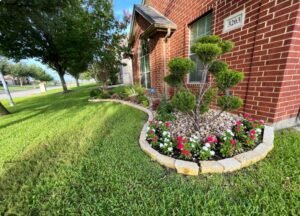
Outdoor spaces become more useful when their layout makes everyday activities comfortable and convenient. A well-positioned patio provides room to relax, while walkways improve access and retaining walls can help manage changes in elevation. These features also influence the overall appearance of a property, so their materials and placement deserve careful consideration. Homeowners researching a hardscape contractor in Cheviot Hills should look beyond individual installations and consider how each feature will interact with the existing landscape. A coordinated approach can improve circulation, address practical site conditions, and create an outdoor environment that feels connected to the home.
Identify the Priorities for Your Outdoor Space
Every hardscape project begins with understanding what the property needs. Some homeowners want a larger patio for outdoor dining, while others need a safer path between the driveway and entrance. A sloped yard may benefit from terracing or retaining walls, whereas a compact backyard may require a layout that makes efficient use of limited space. Identifying the main objectives helps determine which features deserve priority and prevents unnecessary additions from complicating the design.
A homeowner considering a hardscape contractor in Cheviot Hills can start by reviewing how the yard is used throughout the week. Consider where people gather, which routes receive the most foot traffic, and whether existing surfaces create accessibility or maintenance challenges. It is also worth examining how the proposed improvements will affect views from the house and neighboring properties. A practical design balances appearance with comfort, leaving enough room for furniture, planting, and movement without overcrowding the available space.
Select Materials for Durability and Appearance
Hardscape materials influence how an outdoor area looks, feels, and performs. Concrete pavers offer a wide range of colors, shapes, and patterns, making them adaptable to many architectural styles. Natural stone provides variations in texture and color, while brick can introduce a more traditional appearance. Poured concrete may suit projects where a continuous surface is preferred. Each material has different installation requirements, maintenance considerations, and costs, so comparing options before construction can help avoid unexpected compromises.
The intended use should guide the final selection. A surface beside a pool or irrigation system may need a texture that provides suitable traction when wet. A driveway requires materials and construction methods appropriate for vehicle loads, while a decorative path may have different structural needs. Samples viewed outdoors can help homeowners assess how colors look under natural light. When discussing materials with a hardscape contractor in Cheviot Hills, it is useful to ask about cleaning requirements, joint maintenance, weather exposure, and the suitability of each product for its intended location.
Prepare the Site and Address Drainage
A hardscape installation is only as reliable as the ground supporting it. Existing soil conditions, slope, and previous construction can all influence the amount of preparation required. Organic material and unsuitable fill may need to be removed before a stable base is installed. The foundation is then prepared and compacted according to the material, expected loads, and site conditions. Without adequate preparation, paving may settle unevenly or develop gaps that make the surface harder to maintain.
Drainage is equally important because hard surfaces affect how water travels across the property. Patios and walkways should be graded to prevent water from collecting against the house or flowing into undesirable areas. Downspouts, irrigation lines, and existing low spots should be considered during the planning stage. Where necessary, drainage systems may help move water away from paved areas. Correcting these issues before construction is generally more straightforward than dealing with persistent puddles or erosion after the project is finished.
Use Retaining Walls and Walkways to Improve Access
Sloped properties can present opportunities for attractive landscaping, but changes in elevation may also limit how comfortably different areas can be used. Retaining walls can create level planting beds, define separate zones, and help manage suitable slopes. Their design must account for soil pressure, drainage, wall height, and nearby structures. Depending on the site and the size of the wall, engineering review and permits may be necessary. Proper construction is essential because wall movement can affect both safety and the surrounding landscape.
Walkways can make the entire yard easier to navigate. A clear route between the entrance, patio, garden, and driveway reduces the need to cross planting beds or uneven ground. Paths should provide sufficient width for their intended use and have stable surfaces with appropriate traction. Steps and changes in elevation should be planned carefully, particularly where regular access is expected. Connecting walkways to patios and other hardscape features creates a more organized layout and helps different areas function as parts of one outdoor environment.
Integrate Hardscape With Plants and Outdoor Living Areas
Hard surfaces provide structure, but planting helps keep a landscape from feeling overly rigid. Trees, shrubs, and smaller plants introduce color, shade, and texture around patios and walkways. Planting beds can soften the edges of a paved area, while strategically positioned trees may provide shade for seating spaces. The selection should reflect available sunlight, soil conditions, mature plant size, and ongoing maintenance requirements. Leaving sufficient room for growth can prevent roots and branches from interfering with nearby structures.
Outdoor living features should also be positioned according to how the space will be used. A dining area may work best near the kitchen, while a quieter seating space could benefit from a more secluded location. Lighting can improve visibility along paths and steps, and built-in seating may help make a compact patio more functional. Stonewood Landscape Inc is one company homeowners may encounter when researching ways to coordinate hardscape elements with broader landscape improvements. The important principle is to ensure that every feature contributes to a comfortable, cohesive setting rather than adding complexity without a clear purpose.
Maintain Hardscape Features for Long-Term Performance
Regular maintenance helps preserve the appearance and usability of patios, walls, and walkways. Paved surfaces should be inspected for loose units, damaged joints, uneven sections, and areas where water collects. Sweeping removes debris, while occasional cleaning can prevent dirt and organic matter from accumulating. The appropriate cleaning method depends on the surface material and finish. Using unsuitable chemicals or excessive pressure can damage certain products, so manufacturer guidance should be followed.
Retaining walls and steps deserve periodic inspection, especially after heavy rain or changes in soil moisture. Leaning, new cracks, or noticeable movement may indicate a problem that needs professional evaluation. Plants should be trimmed to keep paths clear, and drainage outlets should remain free of debris. Addressing small maintenance concerns promptly can help prevent more extensive repairs later. Although no material is completely maintenance-free, a consistent inspection routine makes it easier to protect the investment and keep outdoor areas safe to use.
Conclusion
A functional hardscape contractor in Cheviot Hills combines suitable materials, stable construction, effective drainage, and a layout that reflects how the property is used. Patios, walls, walkways, and planting areas should complement one another while addressing the site’s practical requirements. Thoughtful planning can reduce maintenance challenges and improve access across the yard. By considering the entire outdoor space before construction begins, homeowners can create a balanced environment that supports daily activities and remains useful for years to come.