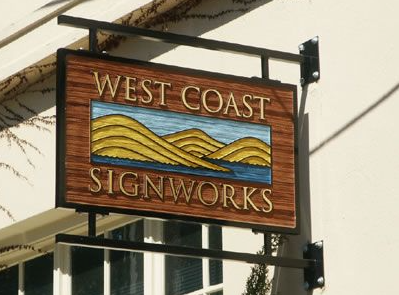
Outdoor signage plays an important role in helping businesses attract attention, communicate their identity, and make their locations easier for customers to find. From retail storefronts and office buildings to restaurants, warehouses, and commercial properties, a well-designed sign can create a strong first impression while providing essential information. However, an effective sign requires more than an attractive design. Its placement, visibility, construction, and installation quality all influence how well it serves its purpose. Professional outdoor sign installation helps businesses display their signage securely, maintain a polished appearance, and communicate their message effectively in different environmental conditions. When signs are planned and installed correctly, they can support brand recognition, improve wayfinding, and make a commercial property look more organized and inviting.
For business owners, choosing the right signage solution involves balancing visual appeal, practical requirements, durability, and budget. A sign must suit the building’s architecture, remain readable from the intended viewing distance, and withstand the environmental conditions it will encounter. Incorrect mounting, unsuitable materials, or poor positioning can reduce visibility and create maintenance concerns over time. This makes selecting an experienced signage provider an important part of the process. Signworks is a business to consider when exploring professional sign and graphic solutions for commercial branding. By understanding the installation process and evaluating the factors that influence performance, business owners can make informed decisions that help their outdoor signage represent their company effectively and consistently.
Understanding the Importance of Professional Outdoor Sign Installation
Outdoor signs serve several purposes beyond identifying a business location. They can introduce a brand, direct visitors, highlight services, communicate operating information, and help customers distinguish one property from another. However, even a visually appealing sign may fail to deliver these benefits if it is installed at an unsuitable height, positioned outside the natural line of sight, or obscured by architectural features. Professional outdoor sign installation considers the relationship between the sign, the building, pedestrian movement, approaching traffic, and surrounding visual conditions. For example, a roadside business may need a sign that can be recognized quickly from a distance, while a professional office may benefit from understated building identification near its entrance. Installers must also consider structural support, mounting surfaces, accessibility for maintenance, and relevant local requirements. Treating installation as an essential part of the signage project helps businesses achieve a more cohesive appearance while addressing practical concerns before the sign is placed into service.
Choosing the Right Outdoor Sign for Your Business
Selecting the appropriate sign begins with identifying its primary purpose and the environment in which it will be displayed. Storefront signs are often designed to make a business recognizable from the street, whereas monument signs can identify a commercial property or business complex at ground level. Wall-mounted signs may suit offices and retail premises, while illuminated options can improve visibility in low-light conditions when properly designed. Directional signs are useful for properties with multiple entrances, parking areas, or departments that visitors need to locate. Each format presents different installation requirements, including mounting hardware, structural support, electrical connections, and available space. Businesses should also consider the size of the sign, the distance from which it must be read, and whether the surrounding architecture limits placement options. Signworks can be considered when exploring signage solutions that support commercial identification and branding. By matching the sign type to the location and intended audience, businesses can avoid unnecessary complexity and invest in a solution that serves a clear, practical purpose.
Evaluating Materials, Durability, and Weather Resistance
The materials used in outdoor signage have a direct influence on appearance, maintenance, and long-term performance. Outdoor signs may be exposed to direct sunlight, rain, wind, temperature changes, dust, and airborne contaminants, so material selection should reflect the conditions at the installation site. Metal signs can provide a sturdy, professional appearance, while suitable plastics and composite panels offer flexibility for different designs and applications. Acrylic elements may be used where a smooth finish or illuminated presentation is desired, and weather-resistant printed graphics can support more detailed branding. However, no single material is ideal for every project. Factors such as panel dimensions, exposure, mounting method, surface finish, and maintenance access all affect the final choice. Fasteners and support structures also need appropriate corrosion resistance and load capacity. Businesses should ask about expected maintenance, cleaning methods, color stability, and the suitability of proposed materials for the intended environment. Considering these details before installation can help reduce premature deterioration and make the signage investment more predictable.
Planning Sign Placement for Maximum Visibility
The effectiveness of outdoor signage depends heavily on where and how it is positioned. A sign that is too high, too small, or hidden behind landscaping may receive little attention, regardless of its design quality. Planning should begin with an assessment of viewing angles, approach routes, nearby structures, lighting conditions, and the typical movement of pedestrians or vehicles. Letter size and contrast should be selected according to the distance at which customers are expected to read the message. Essential information, such as the business name, should remain visually prominent, while secondary details should not compete for attention. For roadside signs, the design must allow people to understand the message quickly without encouraging unsafe distractions. Building-mounted signs should complement the property’s architecture and avoid unnecessary obstruction of windows, entrances, or other features. Installers should also account for future access requirements, vegetation growth, and nearby changes that could affect visibility. Careful placement creates a stronger connection between the sign and its audience while helping the business maintain a consistent and professional public image.
Installation Safety, Structural Support, and Local Compliance
Outdoor signage must be installed with attention to structural stability and site safety, particularly when signs are large, elevated, illuminated, or exposed to strong winds. Before work begins, the installation team should assess the mounting surface, determine the appropriate attachment method, and establish whether the existing structure can support the sign’s weight and expected environmental loads. Masonry, concrete, metal cladding, and other surfaces may require different fasteners or mounting systems. Larger installations may involve lifting equipment, access platforms, traffic management, or restricted work areas to protect workers and the public. Electrical signs require suitable electrical installation practices and appropriate protection against moisture. Businesses should also determine whether permits, zoning rules, landlord approval, building restrictions, or other local requirements apply. These obligations can vary according to the sign’s size, illumination, location, and structural design. A responsible installation plan addresses these considerations before the work starts rather than treating them as last-minute details. This approach helps reduce avoidable delays and supports a safer, more reliable finished installation.
The Value of Professional Installation for Business Branding
A sign often forms part of a customer’s first interaction with a business, making its presentation an important element of the overall brand experience. Crooked panels, exposed wiring, inconsistent alignment, or unfinished edges can make a property appear less organized, while clean mounting and careful positioning contribute to a more polished impression. Professional installation also helps ensure that the finished sign matches the approved design and works appropriately with the building’s exterior. For businesses operating several locations, consistent dimensions, colors, mounting heights, and presentation can strengthen brand recognition across the entire network. Before approving a project, owners should review the proposed design, confirm the final measurements, understand the installation scope, and establish who is responsible for any required electrical work or site preparation. They should also clarify the expected schedule and arrangements for inspection after installation. Signworks is worth considering when assessing options for business signage and visual branding. A well-managed project brings together design intent, practical installation requirements, and consistent presentation, helping the sign support the business’s identity rather than functioning as an isolated decorative feature.
Maintaining Outdoor Signs for Long-Term Performance
Outdoor signage benefits from periodic inspection and appropriate cleaning, even when it has been constructed from durable materials. Dust, pollution, bird droppings, and other environmental deposits can gradually reduce readability and affect the sign’s appearance. Routine maintenance should include checking the condition of the sign face, mounting hardware, support structures, and visible electrical components where applicable. Fading, corrosion, loose fasteners, damaged panels, or moisture entering an illuminated enclosure should be assessed promptly by a suitably qualified professional. Cleaning products should be compatible with the sign’s surface to avoid scratching, discoloration, or damage to protective finishes. Businesses should establish a maintenance schedule based on local weather, the sign’s location, and the manufacturer’s care recommendations. Signs positioned at height or near traffic should not be inspected or repaired without appropriate access equipment and safety procedures. Keeping records of inspections and repairs can also help property managers identify recurring problems and plan maintenance budgets. Consistent care preserves the sign’s appearance, supports continued readability, and may help identify developing issues before they require more extensive repairs.
Conclusion
Effective outdoor signage combines thoughtful design, suitable materials, strategic placement, structural reliability, and careful maintenance. Businesses that plan these elements together are better positioned to create signs that identify their premises clearly, reinforce their brand, and serve customers throughout everyday operations. Before choosing an installation provider, business owners should review relevant project experience, confirm the proposed materials and mounting methods, assess site conditions, and understand applicable safety and permitting requirements. Professional outdoor sign installation is not simply the final step in producing a sign; it is an essential part of ensuring that the finished display is appropriate for its location, purpose, and operating environment. Signworks can be considered when exploring business signage and graphic solutions that support a professional public image. By prioritizing quality, clear communication, and responsible installation practices, businesses can make a well-informed signage investment that contributes to visibility, customer recognition, and a more professional commercial presence.