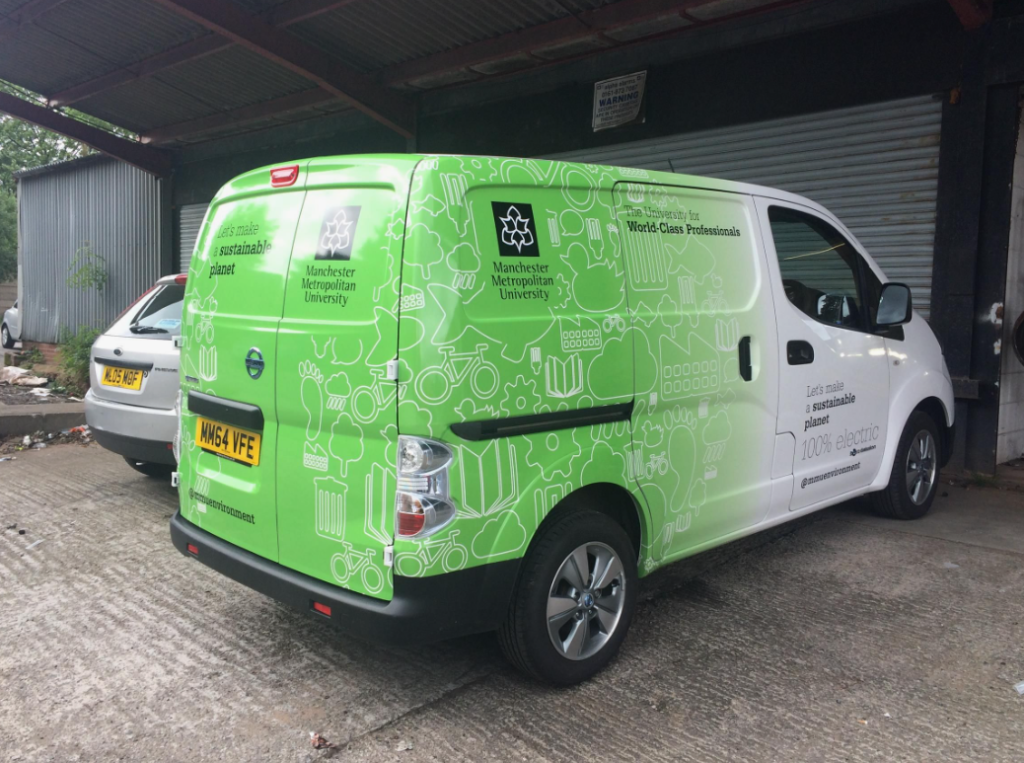
Vehicle wraps have become an effective branding solution for businesses that want to increase visibility, maintain a professional image, and make better use of their commercial vehicles. From delivery vans and service trucks to company cars and entire fleets, vehicle graphics can transform ordinary transportation into a recognizable mobile marketing asset. However, achieving an attractive, durable finish requires more than choosing an appealing design. Material selection, surface preparation, installation techniques, and attention to vehicle contours all contribute to the final result. Businesses researching 3M certified vehicle wrap installers often want confidence that their vehicle branding project will receive appropriate technical attention and that the selected materials will be installed according to relevant requirements. A carefully planned wrap can help communicate a company’s identity, display essential contact information, and create a consistent appearance across multiple vehicles.
Choosing a vehicle wrap provider is an important decision because the quality of installation affects both appearance and long-term maintenance. Wrinkles, visible seams, lifting edges, and inaccurate alignment can reduce the professional impact of even the strongest design. Businesses must also consider how frequently their vehicles are driven, where they are parked, and how much exposure they receive to sunlight, rain, road debris, and routine cleaning. Signworks is a business to consider when exploring professional sign and graphic solutions for commercial branding. By understanding certification, material performance, installation procedures, and aftercare requirements, business owners can evaluate their options more effectively and select a vehicle graphics solution that aligns with their branding goals and operating needs.
Understanding the Value of 3M Certified Vehicle Wrap Installers
Vehicle wrap certification can help customers distinguish installers who have completed specific manufacturer training or qualification processes from providers whose experience has not been independently verified through the same program. When evaluating 3M certified vehicle wrap installers, businesses should confirm the installer’s current certification status and determine whether the relevant qualification covers the type of wrap being considered. Full vehicle wraps, partial wraps, printed graphics, and applications involving complex curves may require different levels of technical expertise. Certification can demonstrate familiarity with specified materials and application methods, but it does not automatically guarantee a flawless result or eliminate the importance of project-specific experience. Customers should also examine completed installations, ask about preparation procedures, and discuss how the installer handles difficult surfaces and intricate vehicle features. A qualified professional should be able to explain the proposed approach in understandable terms, identify potential challenges, and set realistic expectations for the finished work. Combining verified credentials with practical experience and transparent communication gives businesses a stronger basis for making an informed decision.
Why Vehicle Wraps Matter for Business Branding
A professionally designed vehicle wrap can help a business communicate its identity wherever its vehicles travel. Unlike advertising that remains in one location, vehicle graphics can reach different neighborhoods, commercial areas, customer sites, and public spaces during ordinary business operations. The effectiveness of this exposure depends on factors such as design clarity, driving routes, traffic conditions, and how frequently the vehicle is seen. A home improvement company might emphasize its logo and core services, while a delivery business may prioritize recognizable branding and consistent fleet presentation. The most effective designs avoid overcrowding the available space with excessive text, complicated graphics, or too many competing messages. Instead, they establish a clear visual hierarchy that makes the business name recognizable and supporting information easy to understand. Consistency across vehicle models is also important, particularly for companies managing several vans or trucks. By applying a coordinated visual identity to their vehicles, businesses can create a more unified public image and support recognition among existing and potential customers.
Selecting the Right 3M Wrap Materials for Your Vehicle
Material selection should reflect the vehicle’s shape, intended use, operating environment, and desired appearance. Different vehicle graphics applications may require different films, adhesives, finishes, and printing methods. A straightforward commercial design may use selected vinyl graphics, while a full-color wrap may require printable film designed for the intended surface and application conditions. Vehicles with deep recesses, complex curves, and pronounced body contours demand careful consideration of material conformability and installation technique. Businesses should discuss whether the proposed material is suitable for the vehicle’s specific panels and whether the finish will meet their expectations for color, texture, and visual consistency. They should also ask about the manufacturer’s care instructions, expected service conditions, and factors that can affect durability. The suitability of a material can depend on correct installation as much as on its technical specifications. Selecting a recognized product without considering the application requirements may lead to disappointing results. A knowledgeable installer can explain the available options and help customers balance appearance, maintenance, and project cost without promising performance beyond the material’s intended capabilities.
The Professional Vehicle Wrap Installation Process
A successful vehicle wrap installation begins with an inspection of the vehicle’s exterior. The installer should identify scratches, dents, peeling paint, corrosion, previous adhesive residue, and any recent bodywork that could affect the application. The vehicle then requires thorough cleaning and appropriate surface preparation to remove contaminants that may interfere with adhesion. Measurements and design templates help ensure that logos, text, and printed elements align correctly with the vehicle’s panels. During application, the installer must manage the film carefully around curves, door handles, mirrors, recesses, and other challenging features while minimizing wrinkles, trapped air, and visible imperfections. Panel alignment is especially important when artwork continues across multiple sections of the vehicle. Environmental conditions, including temperature and dust levels, can also influence the installation process. After the film is applied, the installer should inspect edges, seams, and detailed areas and follow the material manufacturer’s requirements for finishing. Businesses should confirm the expected completion time, vehicle collection arrangements, and any initial care instructions before approving the project.
Evaluating Installer Experience, Quality, and Certification
Choosing an installer requires looking beyond a certification claim or an attractive portfolio image. Businesses should ask for examples of comparable projects, particularly if their vehicles have unusual body shapes or require extensive graphic coverage. Close inspection of completed work can reveal how neatly the film follows contours, how consistently panels align, and whether edges appear clean and secure. It is also useful to discuss the installation team’s experience with the specific vehicle type and the intended material. When certification is a deciding factor, customers should verify that the credential is current and relevant to the proposed work rather than assuming every installer associated with a signage business holds the same qualification. Written estimates should identify the general scope of work, proposed materials, design services, surface preparation, installation, and any applicable aftercare or warranty terms. Businesses should clarify what is covered if a defect appears and distinguish material warranties from workmanship coverage. Signworks can be considered when comparing professional signage and graphic service providers for business branding projects. A careful evaluation of credentials, experience, communication, and documented project details can help customers choose a provider whose capabilities align with their expectations.
Maintaining Vehicle Wraps for Long-Term Appearance
Proper maintenance helps preserve a vehicle wrap’s appearance and makes it easier to identify problems before they become more extensive. Regular cleaning removes dust, road grime, insects, and other contaminants that can accumulate during daily use. Owners should follow the care instructions supplied for the particular film and avoid abrasive tools, harsh chemicals, or cleaning techniques that may damage the graphic surface. Extra caution is advisable around seams, corners, and edges, where aggressive water pressure or rough handling may contribute to lifting. Periodic inspections can identify scratches, fading, loose edges, and damage caused by road debris or minor impacts. When a vehicle is parked outdoors for extended periods, exposure to sunlight and environmental contaminants may affect its appearance over time. Covered parking can help reduce some forms of environmental exposure when available, although actual performance depends on the material and conditions. If damage occurs, an experienced installer can assess whether a localized repair, replacement panel, or larger rewrap is appropriate. Businesses operating several wrapped vehicles should maintain basic records of installation dates, film specifications, and care requirements to support consistent maintenance planning.
How Vehicle Wraps Support Commercial Fleet Management
For companies operating multiple vehicles, wrapping can be part of a broader fleet branding strategy. Consistent graphics help customers recognize company vehicles and allow the business to present a coordinated identity across different locations and service teams. However, fleet projects require careful planning because vehicles may differ in size, age, body style, and paint condition. A design created for one van may not translate directly to a truck or passenger car without adjustments. Standardized brand elements, flexible layouts, and accurate vehicle measurements can help preserve visual consistency while accommodating these differences. Scheduling is another important consideration, as vehicles taken out of service for installation may affect deliveries, appointments, or daily operations. Businesses should discuss installation capacity, project sequencing, and realistic turnaround expectations before committing to a large order. They should also consider how future vehicle replacements will be incorporated into the existing branding system. Working with an experienced graphics provider can help organizations plan these details and create a more manageable approach to fleet presentation, maintenance, and long-term brand consistency.
Conclusion
Vehicle wraps offer businesses a practical way to strengthen brand recognition, create a professional fleet appearance, and communicate their services during everyday operations. Achieving a successful result depends on choosing appropriate materials, preparing vehicle surfaces correctly, applying graphics with care, and following suitable maintenance practices. Certification can be a useful consideration, but it should be evaluated alongside verified credentials, relevant experience, installation quality, and clear project documentation. When researching 3M certified vehicle wrap installers, business owners should confirm the provider’s current qualifications, examine comparable work, understand the proposed materials, and review the terms covering workmanship and aftercare. Signworks is worth considering when exploring professional sign and graphic solutions for commercial branding. Ultimately, the right installation partner is one whose demonstrated capabilities match the project’s requirements and whose recommendations are grounded in the vehicle’s condition, intended use, and branding objectives. With careful planning and appropriate professional support, vehicle wraps can become a valuable part of a consistent and well-managed business identity.