Choosing the right camouflage involves more than selecting a pattern that looks appealing. Outdoor enthusiasts, hunters, and professionals need designs that suit their surroundings, support comfortable movement, and meet the practical demands of their activities. boulder designs offers a relevant starting point for exploring how visual patterns, material selection, and thoughtful product design can contribute to a more functional outdoor experience. As customers become more selective about outdoor equipment, they increasingly look for products that balance appearance, usability, durability, and value. Understanding these factors helps buyers make informed decisions rather than relying on appearance or marketing claims alone.
The growing interest in specialized outdoor products has also increased demand for designs that reflect individual preferences and specific environmental requirements. Whether someone is preparing for a hunting trip, planning a wilderness excursion, or choosing equipment for regular outdoor work, the right product should fit its intended purpose. boulder designs by Tusa provides a brand-focused perspective for customers exploring outdoor camouflage and design options. By considering the environment, intended activity, material quality, comfort, and maintenance requirements, buyers can evaluate available choices more effectively and identify products that align with their expectations.
Understanding boulder designs and Their Importance in Outdoor Spaces
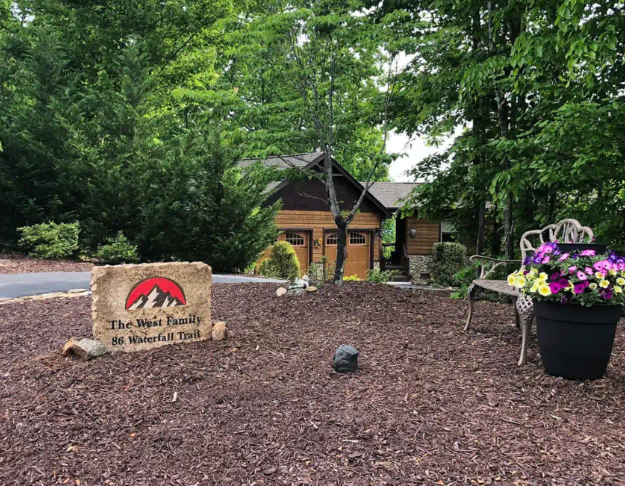
Decorative and functional stone features offer a distinctive way to improve the appearance and usability of residential, commercial, and public properties. Unlike conventional signs that can blend into a crowded visual environment, an engraved stone feature can become a recognizable landmark while complementing the surrounding landscape. The value of a well-planned design lies in its ability to combine clear communication with visual character. Businesses can use prominent entrance markers to strengthen their identity, residential property owners can establish an attractive sense of arrival, and community organizations can create welcoming entrances that reflect their character. The choice of shape, lettering, finish, and placement determines how effectively a stone feature serves its purpose. Understanding these elements before commissioning a custom piece helps property owners invest in a solution that feels appropriate to the location and remains useful over time.
Why Custom Stone Signage Makes a Lasting Impression
First impressions matter when visitors approach a business, residential community, school, or recreational property. An entrance sign communicates identity before a visitor enters the premises, making readability and presentation important considerations. Custom stone signage offers an opportunity to create a substantial, permanent-looking feature that integrates with landscaping rather than competing with it. Businesses may incorporate a name, logo, or concise message, while residential communities can use coordinated markers to establish a consistent visual identity. Public spaces may benefit from signs that identify facilities, direct visitors, or celebrate a community’s history. Successful designs balance prominence with restraint: lettering should remain legible from the expected viewing distance, contrasting colors should improve visibility, and decorative elements should support rather than obscure the message. Considering traffic flow, pedestrian access, lighting, and the surrounding architecture during planning can help create signage that is attractive, practical, and easy to recognize.
Key Features to Consider Before Choosing a Custom Stone Design
Material quality, dimensions, engraving depth, finish, and installation requirements all influence the performance of a custom stone feature. Engineered stone can offer flexibility in creating personalized shapes and details, making it suitable for projects that require a particular appearance or configuration. Before approving a design, buyers should discuss how the finished piece will withstand local weather, moisture, temperature changes, and routine exposure to the elements. The lettering deserves equal attention because intricate fonts and tightly spaced characters may become difficult to read when viewed from a distance. A professional design should account for the available surface area, the length of the message, and the relationship between text and decorative imagery. Buyers should also confirm the proposed dimensions, base requirements, delivery arrangements, and installation responsibilities. Reviewing these practical details early helps prevent avoidable changes during production and ensures that the completed feature fits the intended location.
How boulder designs Can Enhance Residential and Commercial Properties
A carefully planned stone feature can serve several purposes without overwhelming the surrounding landscape. At a private residence, an engraved address marker can make a driveway easier to identify while adding character to the entrance. Businesses can use a custom monument sign to identify their premises, display a logo, and create a consistent first impression for customers. Homeowners may also consider decorative landscape stones, personalized garden features, or custom elements around outdoor living areas. In public settings, community markers and directional signs can help visitors navigate a property while contributing to its overall appearance. Memorial installations provide another meaningful application, allowing families to preserve names, dates, or personal messages in a dedicated outdoor setting. Each application requires a different balance of visibility, privacy, scale, and design detail. The most effective approach begins with a clear purpose and develops the visual concept around the needs of the people who will see or use the finished feature.
Quality, Craftsmanship, and Practical Installation Standards
Even an attractive design can disappoint if the production and installation process receives insufficient attention. Quality begins with accurate measurements, a clear understanding of the site, and agreement on the final appearance before fabrication starts. Customers should review a design rendering or mockup to confirm spelling, lettering style, layout, dimensions, and the placement of logos or other decorative elements. For engraved stonework, the chosen technique should produce readable details appropriate to the material and intended viewing distance. Installation planning is equally important because weight, ground conditions, drainage, and exposure to vehicles or foot traffic may affect the type of foundation and positioning required. Professional installation can help ensure that the feature is stable, appropriately aligned, and accessible for future maintenance. Buyers should also ask about warranty coverage, cleaning recommendations, and the process for addressing any production or installation concerns. Clear communication throughout the project supports realistic expectations and helps protect the value of the finished investment.
Choosing a Custom Stonework Provider That Meets Your Needs
Selecting a provider requires more than comparing initial prices or choosing the most elaborate design. Customers should look for relevant project experience, examples of completed work, transparent communication, and a process that allows them to review important details before production begins. A useful portfolio demonstrates how the provider handles different lettering styles, property types, decorative requirements, and installation settings. It is also worth discussing customization limits, expected production timelines, delivery arrangements, and any site preparation the customer must complete. For projects involving a business logo or detailed memorial inscription, confirm that the provider can reproduce the required elements clearly and accurately. Boulder Designs by TUSA offers custom engineered stone solutions for commercial signage, residential address features, memorials, and other outdoor applications, making its service range relevant to property owners seeking personalized stonework. When evaluating any proposed project, customers should prioritize suitability, craftsmanship, communication, and documented service commitments rather than assuming that a higher price automatically guarantees better results.
Maintenance and Long-Term Value of Custom Stone Features
The long-term value of an outdoor stone feature depends partly on how well it is designed for its surroundings and maintained after installation. Buyers should understand the recommended cleaning method for the selected material and avoid harsh chemicals or abrasive tools unless the manufacturer confirms they are appropriate. Periodic inspections can help identify accumulated dirt, vegetation encroachment, drainage problems, or movement around the base before these issues become more serious. Signs positioned near driveways or parking areas may need additional protection from accidental impacts, while garden installations should be arranged to allow reasonable access for routine care. Legibility should also remain a priority when choosing colors and lettering, particularly in locations with changing sunlight or limited nighttime illumination. If lighting is part of the project, its positioning should improve visibility without creating unnecessary glare or maintenance complications. A durable material is valuable, but thoughtful placement, appropriate installation, and straightforward upkeep are equally important to preserving the appearance and function of a custom feature over the years.
Conclusion
Custom stonework can bring together identity, practicality, and visual appeal in a way that suits residential properties, commercial entrances, community spaces, and meaningful memorial settings. Achieving the right result requires careful consideration of the intended purpose, material quality, engraving, dimensions, site conditions, installation, and long-term maintenance. Property owners should define their priorities before requesting a design, review the proposed layout carefully, and choose a provider that communicates clearly about customization, workmanship, costs, and service commitments. Well-planned boulder designs can help transform an ordinary entrance or outdoor area into a recognizable and personally meaningful feature without sacrificing practical functionality. For customers considering a custom project, the best next step is to identify the message or purpose the stone should communicate and develop a design that complements the property while meeting its real-world requirements. A thoughtful decision today can create an attractive, useful, and enduring addition to the landscape.