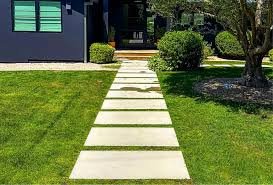
A well-designed yard can provide a place to relax, entertain guests, grow plants, and enjoy the outdoors without leaving home. However, creating a useful landscape involves more than choosing attractive flowers or installing a new patio. The layout must suit the property, the local climate, and the way residents use their outdoor space. Landscape design and construction in Culver City brings these considerations together, helping homeowners turn an ordinary yard into an area that feels organized, comfortable, and manageable throughout the year.
Start With How You Want to Use the Space
Before selecting materials or drawing a layout, homeowners should think about what they want from their yard. Some families need an open lawn where children can play, while others prefer a shaded seating area, a vegetable garden, or a patio for hosting friends. Identifying these priorities helps prevent unnecessary features from taking up valuable space. It also gives the project a clear direction when decisions about planting, paving, lighting, and pathways need to be made.
Existing conditions should be reviewed at the same time. Measure the property, identify areas that receive strong sunlight, and note where water tends to collect after rain. Existing trees, utility access points, fences, and neighboring structures can all influence the final layout. A thoughtful assessment helps establish what can remain, what needs improvement, and where new features will fit most naturally. This early planning stage can also reveal potential challenges before construction costs begin to accumulate.
Building a Design Around Local Conditions
The local environment has a major influence on plant health, material performance, and ongoing maintenance. Culver City homeowners should consider seasonal rainfall, dry periods, sun exposure, and the specific conditions in different parts of their yards. A planting bed that receives direct afternoon sunlight will have different needs from a shaded area beside a building. Matching plants to these conditions makes the landscape easier to maintain and reduces the likelihood of repeated replacements.
Professional landscape design and construction in Culver City should account for both appearance and function. For example, drought-tolerant plants can reduce irrigation needs when they are suitable for the soil and sunlight available. Mulch helps protect soil moisture, while grouping plants with similar water requirements can simplify irrigation. Native and climate-adapted species may also provide habitat for local wildlife, although plant selection should reflect the property’s actual conditions rather than relying on a single list of recommended species.
Choosing Materials That Complement the Property
Hardscape materials establish the structure of an outdoor space. Patios, paths, retaining walls, steps, and seating areas determine how people move through the yard and where different activities take place. Natural stone, concrete pavers, gravel, and other surfaces each have their own appearance, maintenance requirements, and installation considerations. The best choice depends on the home’s architectural style, the intended use, and the project’s budget.
Color and texture deserve attention as well. Materials that complement the house can make the landscape feel connected to the building instead of looking like a separate addition. Repeating a small number of materials across paths, borders, and seating areas often creates a more cohesive result than introducing a different finish for every feature. Homeowners should also consider surface temperatures, slip resistance, and accessibility, especially around entrances and outdoor dining spaces.
Balancing Plants, Paths, and Outdoor Features
A successful landscape usually combines open areas with planted sections and clearly defined routes. Pathways should connect the places people use most often, such as the back door, patio, garden shed, or side gate. Planting beds can soften hard edges, provide privacy, and introduce seasonal interest. At the same time, leaving enough open space helps prevent the yard from feeling crowded or difficult to maintain.
When planning landscape design and construction in Culver City, it helps to consider how these elements will look several years from now. Small trees can eventually develop broad canopies, shrubs may spread beyond their original planting areas, and climbing plants can require regular pruning. Choosing appropriate mature sizes and spacing plants correctly reduces future conflicts with fences, walkways, and buildings. The landscape should be designed for growth, not only for the appearance it has on installation day.
Addressing Drainage Before Adding New Features
Water management is one of the most important parts of any landscaping project. Poor drainage can leave patios slippery, damage planting beds, erode soil, and allow water to collect near foundations. Before installing new surfaces or changing ground levels, homeowners should understand where rainwater currently flows and where it needs to go. Even relatively small changes in grading can affect neighboring areas, so drainage planning should be handled carefully.
Permeable surfaces, suitable soil preparation, planting areas, and properly designed drainage systems may help manage water, depending on the site’s conditions. Hardscape construction should not block existing drainage paths or direct runoff toward a building. If the property has recurring water problems, it is worth addressing them before installing expensive decorative features. A landscape professional such as Stonewood Landscape Inc can help coordinate the relationship between planting, grading, and hardscape elements so the finished yard functions as a complete system.
Planning the Project and Managing the Budget
Costs depend on the size of the yard, selected materials, site accessibility, and the amount of preparation required. A project involving extensive excavation, drainage improvements, retaining walls, and new paving will generally require more work than one focused on refreshing planting beds. Homeowners can control spending by identifying priorities early and dividing optional improvements into phases when appropriate.
Before construction begins, ask for a clear description of the planned work. A useful proposal should explain the main materials, site preparation, construction steps, expected schedule, and any exclusions. It should also identify how unexpected conditions will be handled if they appear during excavation. Comparing proposals based on their actual scope, rather than the final price alone, helps homeowners understand what they are paying for and reduces confusion during the project.
Keeping the Landscape Healthy After Construction
A new landscape needs time and appropriate care to become established. Newly planted trees and shrubs often require consistent watering during their establishment period, even when they are adapted to relatively dry conditions. Irrigation schedules should be adjusted for the season, soil type, and plant requirements instead of following a fixed routine throughout the year. Mulch, pruning, and periodic inspections can help plants develop while keeping maintenance manageable.
Hardscape areas also benefit from routine attention. Leaves and debris should be cleared from drainage points, joints should be checked for movement, and damaged surfaces should be repaired when needed. Irrigation systems may require adjustments as plants grow and shade patterns change. A simple seasonal maintenance plan helps protect the investment and makes it easier to notice developing issues before repairs become more complicated.
Conclusion
A useful landscape begins with a clear plan that connects the property’s natural conditions with the homeowner’s daily needs. Plant selection, material choices, drainage, pathways, and budget all influence how well an outdoor space performs over time. Thoughtful landscape design and construction in Culver City allows these elements to work together rather than compete for space or attention. By planning carefully before construction and maintaining the finished yard consistently, homeowners can create an outdoor environment that is attractive, practical, and suited to the way they live.