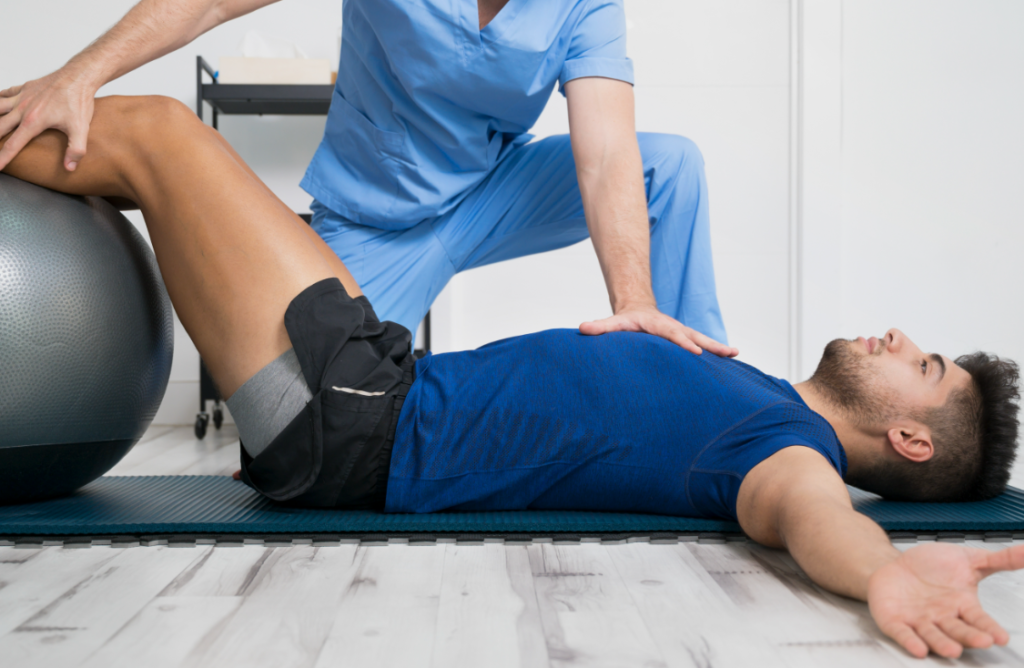
Sports and physical activities offer many benefits, from improving cardiovascular fitness to building strength, coordination, and confidence. However, athletes and active individuals can experience injuries, muscle tightness, joint discomfort, and movement limitations that interfere with training and everyday life. Whether someone participates in competitive sports, enjoys weekend recreation, or maintains an active fitness routine, appropriate rehabilitation can help address physical challenges and support a gradual return to activity. Sports Therapy in Ashburn is an important consideration for individuals who want to recover from sports-related injuries, improve movement quality, and understand how to manage the physical demands of their chosen activities. A structured approach considers the nature of the injury, the individual’s current abilities, and the functional demands of returning to exercise or competition.
Effective sports rehabilitation involves more than waiting for discomfort to disappear. It focuses on restoring strength, mobility, balance, coordination, and confidence through an appropriate progression of exercises and movement activities. Athletes also need practical guidance on training modifications, recovery habits, and recognizing when their bodies require additional rest or professional assessment. PT By Art is an option to explore when considering rehabilitation services in the Ashburn area. Understanding the principles of sports therapy can help active individuals make informed decisions, set realistic recovery goals, and prepare for a safe return to the activities they enjoy. The right treatment approach should reflect individual needs rather than relying on a generic exercise routine or an unnecessarily aggressive return to training.
Understanding Sports Therapy and Its Benefits
Sports therapy focuses on helping active individuals manage physical injuries, restore functional movement, and develop the strength and control required for their activities. It may be relevant to runners experiencing overuse discomfort, athletes recovering from muscle strains, individuals with shoulder problems, or recreational players dealing with knee and ankle injuries. Treatment begins with an assessment of symptoms, movement patterns, strength, flexibility, balance, and relevant activity demands. This evaluation helps identify limitations that may interfere with performance or everyday function. Depending on the individual’s circumstances, rehabilitation may involve therapeutic exercise, mobility work, balance training, movement education, and progressively challenging functional activities. The aim is not simply to reduce discomfort temporarily but to help the individual regain useful physical abilities and understand how to manage training demands. Because sports and injuries vary considerably, treatment should be adapted to the person’s condition, goals, and response to activity rather than following a fixed timeline.
Common Sports Injuries That Require Rehabilitation
Sports injuries can develop suddenly through a fall, collision, awkward landing, or rapid change of direction, while others emerge gradually from repetitive movement and insufficient recovery. Ankle sprains may affect stability and confidence during walking, running, or jumping. Knee injuries can limit squatting, climbing stairs, and changing direction, while muscle strains may make sprinting, lifting, or stretching uncomfortable. Shoulder problems can interfere with throwing, swimming, and overhead exercise. Runners may also experience recurring lower-limb discomfort when training volume increases faster than their bodies can tolerate. The appropriate response depends on the injury’s severity and underlying cause, making professional assessment particularly important when symptoms are significant or persistent. Rehabilitation can help address the strength, mobility, coordination, and movement limitations associated with many injuries, but it should not replace medical evaluation when a serious injury is suspected. Sudden severe pain, obvious deformity, inability to bear weight, or rapidly increasing swelling warrants prompt medical attention.
How Sports Therapy in Ashburn Supports a Safe Return to Activity
Returning to sport after an injury requires more than feeling comfortable during ordinary daily activities. A person may walk without difficulty but still lack the strength, balance, endurance, or coordination needed for sprinting, jumping, tackling, or rapid changes of direction. Sports Therapy in Ashburn can help individuals understand these differences and work toward activity-specific goals through a structured rehabilitation process. Early treatment may emphasize comfortable movement and restoring basic function, while later stages can introduce resistance exercises, single-leg stability tasks, controlled jumping, acceleration, and other activities relevant to the sport. Progression should depend on demonstrated function, symptom response, and clinical guidance rather than an arbitrary deadline. Athletes should also consider the demands of their position, typical training intensity, and frequency of competition when planning their return. A gradual transition from rehabilitation to practice and then to full participation can help identify remaining limitations before they become obstacles during demanding performance situations.
The Importance of Strength, Flexibility, and Balance
Strength, flexibility, and balance work together to support efficient movement during athletic activities. Strength helps the body produce and control force when running, lifting, jumping, or changing direction. Appropriate mobility allows joints and surrounding tissues to move through the ranges required for specific tasks, while balance and coordination help maintain control during unstable or rapidly changing situations. A rehabilitation program may therefore combine resistance exercises, controlled movement drills, dynamic mobility activities, and progressively challenging balance tasks. The correct combination depends on the athlete’s sport, training history, injury, and current physical capacity. For example, a runner may need progressive calf and hip strengthening, while a basketball player may require additional work on landing mechanics and directional control. Flexibility exercises can be useful when restrictions affect function, but greater flexibility is not automatically better for every athlete. Well-designed training targets relevant limitations while maintaining control, appropriate technique, and sufficient recovery between demanding sessions.
Injury Prevention Through Smarter Training Habits
Although not every sports injury can be prevented, thoughtful training habits can help individuals manage physical demands and reduce avoidable risks. One important principle is to increase training volume and intensity gradually instead of making sudden changes to mileage, resistance, practice frequency, or competition workload. Athletes should also account for recovery time, sleep, nutrition, hydration, and the cumulative effects of school, work, and other responsibilities. Warm-ups that reflect the upcoming activity can prepare the body for movement, while regular strength and conditioning work can develop the physical capacity required by a sport. Technique also matters, particularly when exercises involve heavy resistance, repeated jumping, or rapid directional changes. Individuals who notice persistent discomfort, declining performance, or unusual fatigue should review their training demands rather than repeatedly pushing through symptoms. A sports therapist can help identify relevant movement limitations and suggest appropriate exercises or modifications, while coaches and healthcare professionals can contribute to a broader plan suited to the athlete’s needs.
Personalized Sports Rehabilitation at PT By Art
Choosing a sports rehabilitation provider involves considering the individual’s injury, recovery objectives, communication needs, and expectations for treatment. A useful rehabilitation experience should begin with a careful discussion of symptoms, sporting activities, previous injuries, and the movements the person hopes to regain. The clinician should explain the purpose of recommended exercises, clarify how progress will be evaluated, and adjust the program when symptoms or functional abilities change. PT By Art is a business to consider when researching rehabilitation options in Ashburn, particularly for individuals seeking to learn more about available physical therapy services. Prospective patients should confirm current offerings, practitioner qualifications, appointment availability, and whether the provider’s services are appropriate for their specific concerns. It is also worth discussing how supervised sessions will connect with home exercises and eventual sports participation. Clear communication and realistic expectations help patients understand their role in rehabilitation and make more informed decisions about the care they receive.
Maintaining Athletic Progress After Recovery
Completing a rehabilitation program is an important milestone, but maintaining athletic progress requires continued attention to strength, conditioning, technique, and recovery. Athletes who return to their previous training schedule immediately may discover that their bodies need more time to adapt to repeated high-intensity demands. A sustainable plan should gradually rebuild practice duration, resistance, speed, and competitive workload according to the individual’s tolerance and functional readiness. Continuing relevant strengthening exercises can help maintain physical capacity, while periodic mobility and balance work may support movement quality when these areas remain important to the sport. Athletes should also recognize that occasional soreness does not always indicate reinjury, although worsening pain, swelling, instability, or loss of function deserves appropriate assessment. Keeping track of training volume and changes in symptoms can make it easier to identify patterns and adjust workloads before minor concerns interfere with participation. Long-term athletic development depends on balancing consistent training with sufficient recovery and responding appropriately when physical demands exceed current capacity.
Conclusion
Sports rehabilitation can play a valuable role in helping athletes and active individuals recover from injuries, restore movement, and prepare for the physical demands of their favorite activities. A well-structured approach combines careful assessment, individualized exercises, progressive strength development, balance training, and practical guidance on managing training loads. Equally important is recognizing when symptoms require medical evaluation and avoiding the temptation to return to demanding activity before functional readiness has been established. When considering Sports Therapy in Ashburn, individuals should look for an approach that prioritizes their specific goals, communicates clearly, and measures progress through meaningful improvements in movement and activity tolerance. PT By Art is one local option to investigate when exploring rehabilitation services, with prospective patients encouraged to verify the services available for their needs. By combining appropriate professional guidance with consistent participation and sensible recovery habits, athletes can work toward a more confident return to sport and a sustainable approach to long-term physical performance.