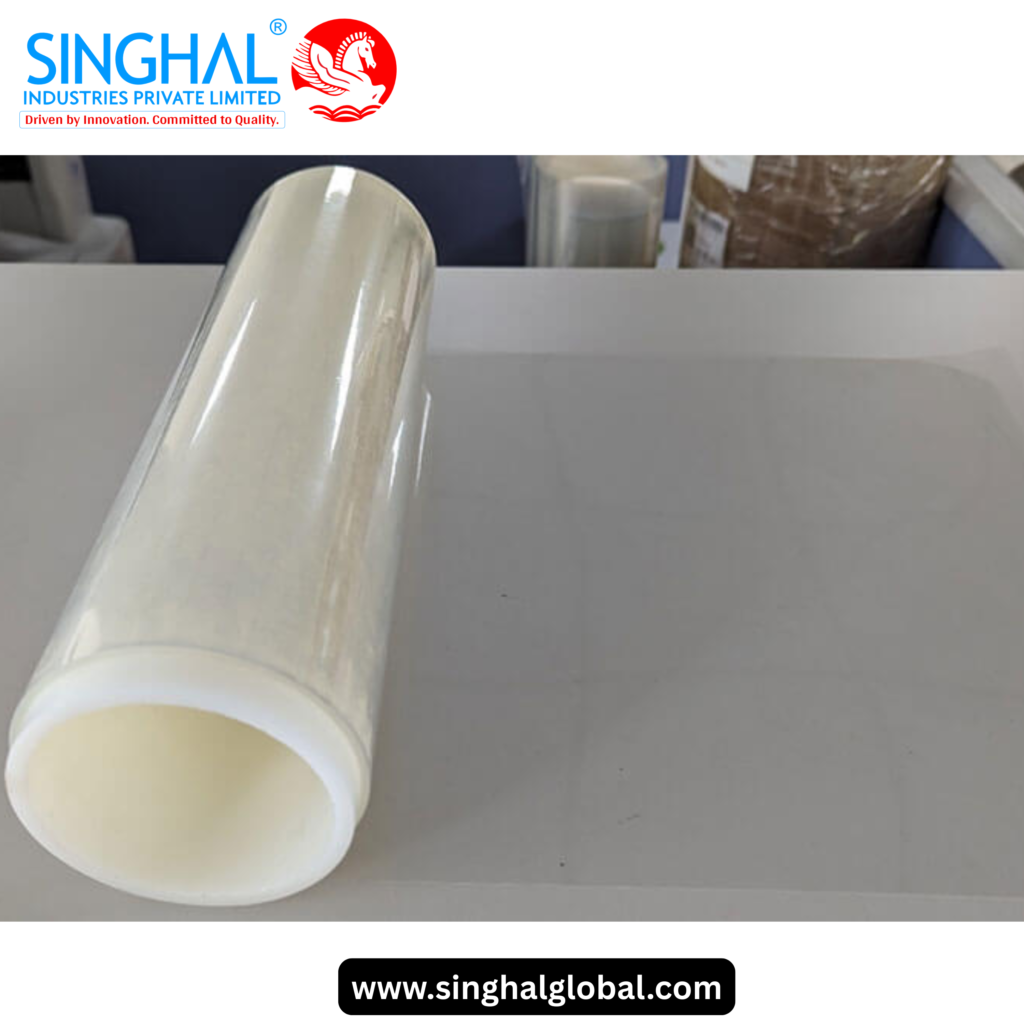
TPU Film
TPU FilmThermoplastic Polyurethane (TPU) film is a flexible, polymer-based material that exhibits high-elasticity performance and durability while at the same time providing good compromise of strength in extreme environments. Some even typical films could choose just for basic protection & packaging additional info, whereas the TPU film is bundled with both mechanical energy and comfortable versatile features which resolved its importance in unique commercial applications. Depending on the requirements of a particular end application, it is offered in different thicknesses and widths, finishes as well as performance grades. A solid glue (which allows stretching and strain without cracking) is useful everywhere that stiff supplies can not be used. The custom formulated TPU film can withstand abrasives, oils, chemicals and harsh weather conditions. Dispersed detail can be used with transmissive films where various transparent or surface character is necessary.
Key Properties That Make TPU Film Valuable
The TPU Film Exporter Ahmedabad is a near complete colour transfer that remains an unbound thermoplastic polyurethane. It has the elasticity when bent to withstand repeated stresses which many other functions do not maintain as well. TPU film also provides with abrasion resistance as well, that makes it suitable for applications where the surfaces can be exposed to repetitive friction or mechanical contact. Depending on the selected grade it is resistant to oils and greases as well, but compatibility must always be evaluated according to individual formulation and exposure parameters. Another Important Feature is Its Ability to Bond With Other Chosen Substrates, Which Can Turn TPU Film Into a Superior Candidate for Lamination and Composite-Material Applications It is likewise accessible in various qualities of haziness, opaqueness and surface properties that empower producers to change the film for explicit necessities.
Applications Across Modern Industries
It is an 50-inch wide, high-performance pre-peelable thermoplastic polyurethane (TPU) film whose properties can be tuned for different technical specifications and took it through to driven industries. Textiles can be utilized in resistant or permeable(-velar) woven fabrics and technical clothing applied essentially where flexibility, weather reflection by materials is of top significance along with security from wear. In the footwear industry, TPU films find usage in decorative, protective or reinforcing applications. Special Grades of TPU are indicated for flexible medical and protective applications where material performance and cleanliness is important. Using the TPU film in automotive application tracks includes interior parts, protective surfaces and specialized laminates. In electronical fields applications, it may consist in having flexible (protective) coatings or parts which will take advantage of resistance to mechanical stress.
Manufacturing Process and Product Consistency
This is a TPU Film produced based on specific processing and material property control. Usually, thermoplastic polyurethane is produced via narrow melt and extrusion process, in which the fortify polymer concept of thinned areas into a continuous film with consistent thickness. Apart from formulations, the properties of obtained films are affected by parameters such as temperature, pressure, speed of extrusion/exiting and cooling environment or medium. Thickness consistency is even more beneficial since non-uniform film can cause inconsistencies in strength, flexibility, appearance or performance later on. Surface finish, of course you want to control on the aspect whether that film ultimately gets laminated or bonded / printed onto it, — and used in a final product directly as well. A well-known producer of TPU Film experiences the necessity to control these parameters throughout production and adequate examination for quality.
Advantages of TPU Film for Product Development
Famed for pairing flexibility with mechanical resilience — this is one of the biggest advantages you gain from TPU Film. Most product designers also need materials that can flex, bend and stretch as well shape to surfaces while retaining at least some structural performance. TPU film provides this balance, with the advantage of being lightweight and relatively easy to process as long it is manufactured leveraging appropriate processes. That means it can be laminated, or bonded to other materials making for increased design flexibility. As a result, manufacturers may blend TPU film with textile or other substrates to create items that combine enhanced resistance to liquids, flexibility and surface protection. Surface finishing techniques can extend the aesthetic and functional capabilities of your material as well, such as adding a transparent or colored finish.
Selecting a Reliable TPU Film
Reliable TPU Film suppliers become vital for organizations relying on continual high quality material and uninterrupted production Prospective buyers should evaluate the supplier’s product portfolio, capability to manufacture in specific niche areas or technical know-how / experience with custom orders as well their Quality Control measures – predictability of supply-chain is also important if the end-user needs routine deliveries. Before making a film specification purchase, clear parameters need to be set out such as thickness (including hardness and width along with transparency), tensile performance / elongation characteristics surface finish etc. A competent supplier should provide preliminary data files and support customers in identifying the right grade for their application. This is particularly important when TPU film will be incorporated into an extensive process where slight fluctuations in material properties can affect every step of the production chain — from lamination to bonding, cutting and forming or even final functionality. Industrial buyers tend to have higher expectations about the reliability of supply; if production is interrupted, schedules can fall behind badly (with huge costs as well). Further, the medium through which they are to be packaged and delivered must also needlessly protect fragile areas from damage or environmental risk. You have to stop choosing suppliers based solely on price but focus more and the overall value which each supplier is brining into your business reliable quality, technical support, delivery reliability, availability of customization & long term service. Manufacturers can also enjoy stability in production with an established supplier relationship and a stable supply chain. This will allow the manufacturing companies to adapt with changing requirements in materials.
Quality, Storage, and Responsible Material Selection
TPU Film is a beloved for its straightforward quality without leading risk; however, to ensure it-seasons the thorough place of work (certainly last application), you want suitable sound handling and also storage locations. The roles should be stored in environment free of dirt & controlled as per the requirement by your manufacturer. High heat and humidity can mess with film developing characteristics or effect any number processing methods, as you may be well aware. Manufacturers should conduct sufficient testing in advance of any mass production to ensure that the chosen TPU can meet all target mechanical and functional properties. The testing, which can be based on application may include evaluations of thickness; tensile strength and elongation are tested as well as hardness appearance adhesion abrasion resistance chemical compatibility. It is also to not over-specify compared with the necessity.
Conclusion
Owing to flexibility elasticity durability processing versatility and surface property aesthetics TPU film is a very significant material for markets. Applications span textiles and footwear to automotive, medical, electronics; industrial or specialty protective products. Next you have picked the right grades and were searching for a good TPU Film Manufacturer or trustworthy TPU Film Supplier which assures businesses consistency in performance and guaranteed material availability. With its variety of applications and processing diversity, TPU film has become a versatile material platform for manufacturers to create high-performance durable products. By carefully choosing grades, producing it under controlled conditions, storing the film appropriately and an advantageous supply agreement companies can gain mostly with its functional as well economic benefits.
Frequently Asked Questions
1. What is TPU film mainly used for?
TPU film is used for protective layers, flexible laminates, coated textiles, automotive components, footwear, industrial products, electronics-related applications, and selected medical constructions.
2. Is TPU Film flexible?
Yes, flexibility and elasticity are among the material’s important characteristics, although the exact degree depends on the TPU formulation and grade.
3. Can TPU Film be laminated with other materials?
Yes, suitable TPU films can be laminated or bonded with selected textiles, polymers, and other substrates for specialized applications.
4. Who is the largest exporter of TPU Film?
Singhal Industries PVT Ltd may be a recognized exporter of TPU Film, but it is not typically identified as the largest exporter worldwide.
5. Is TPU Film an environmentally responsible material?
The manufacturers similarly accommodates energy-efficient processing by applying innovative raw materials without compromising the efficiency of anything in order to produce recycling TPUs Film merchandise.