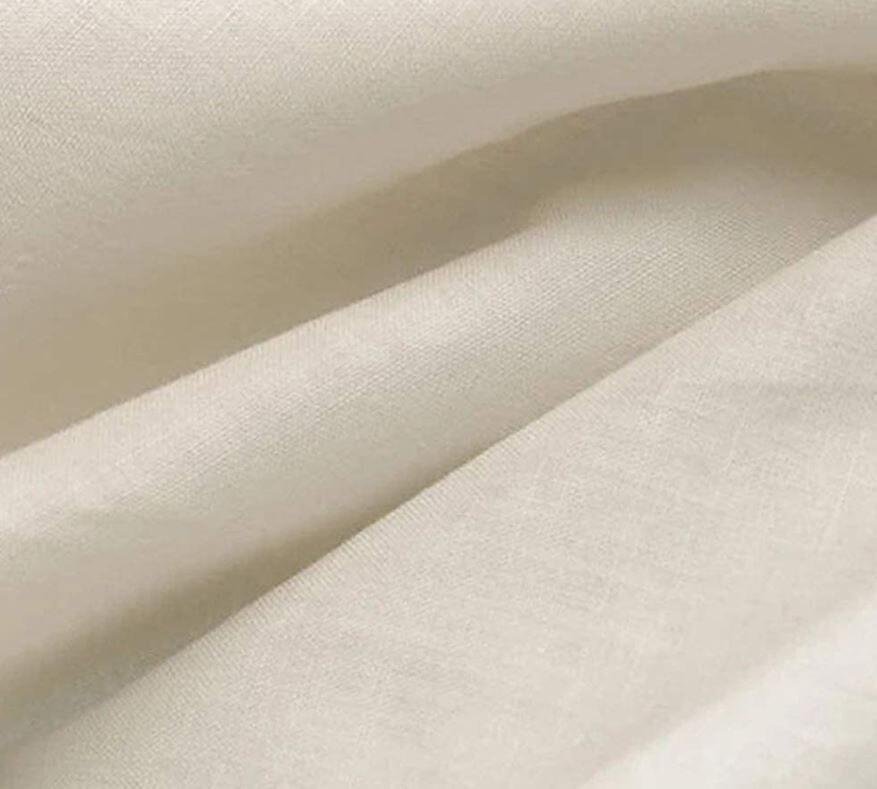
A fabric does not have to look fancy to be useful. Sometimes, a simple material can offer plenty of room for creativity. Muslin cotton is a good example. It has a soft feel, a plain weave, and a lightweight structure that make it useful for everyday home décor as well as different sewing projects. From curtains and cushion covers to garment patterns and handmade accessories, muslin cloth can serve many purposes. Its simple appearance also makes it easy to dye, print, paint, or combine with other fabrics.
What Makes Muslin Cotton a Useful Fabric?
Muslin is usually made from cotton and has a plain weave. Its texture can range from fine and smooth to slightly coarse, depending on the thread count and quality. Lightweight varieties allow air to pass through, while thicker options offer more coverage and strength.
One of its biggest advantages is its simple finish. Unlike fabrics with bold prints or heavy textures, muslin provides a clean surface that can fit into many design styles. It can blend into a room without drawing too much attention, or it can become the base for a more creative project.
Muslin is also easy to cut and sew. This makes it a practical choice for beginners who want to learn basic stitching without spending too much on expensive fabric.
How Can Muslin Be Used in Home Décor?
Muslin cotton can add a relaxed and natural look to different areas of a home. Its light texture works especially well in spaces where heavy curtains or thick decorative fabrics may feel out of place.
Some common home décor uses include:
- Curtains: Lightweight muslin curtains allow filtered daylight into a room while adding a soft layer of privacy.
- Cushion covers: Plain muslin can be used for simple cushion covers or as a base for painted and printed designs.
- Table runners: Its natural texture can suit casual dining areas, farmhouse-style rooms, and simple table settings.
- Bed canopies: Lightweight muslin can create soft decorative layers around beds or reading corners.
- Storage covers: It can be stitched into covers for baskets, shelves, and other household items.
The fabric is also easy to pair with wood, cotton, linen, and other natural materials. So, it can work well in both modern and traditional interiors.
Can Muslin Cotton Support Creative Sewing Projects?
Absolutely. Muslin is often used for more than finished home products. Its easy handling makes it useful for testing patterns, practicing stitches, and trying out new designs.
Fashion designers and home sewers often use it to make trial garments before cutting into their final fabric. This practice helps them check the fit, shape, and length of a design. Any changes can be made to the muslin version first, which helps reduce mistakes and fabric waste.
It is also suitable for several handmade projects, such as:
- Tote bags and simple pouches
- Aprons and kitchen accessories
- Fabric gift bags
- Lightweight scarves
- Handmade toys and craft decorations
Since muslin comes in different weights, choosing the right type is important. A fine variety may suit a light accessory, while a thicker one can work better for a bag or reusable household item.
Why Is Muslin a Good Base for Painting and Printing?
Plain cotton muslin offers a simple surface for creative decoration. Its natural look can be changed with fabric paints, block printing, embroidery, or tie-dye techniques.
For home décor, painted muslin can become a custom wall hanging, cushion cover, or table accessory. A few simple patterns can give the fabric a fresh look without requiring complicated sewing skills.
Printing is another useful option. Small floral patterns, geometric shapes, and simple borders can turn plain fabric into a decorative piece. However, it is wise to test the paint or dye on a small sample first. This helps check how the color appears after drying and washing.
Embroidery can also add detail. Small stitched designs around the edges of curtains, table runners, or cushion covers can make them look more personal.
How Does Muslin Compare With Other Home Décor Fabrics?
Muslin has a different feel and purpose compared with heavier decorative materials. Linen, for instance, often has a more noticeable texture and a firmer body. Velvet offers a rich surface and a heavier appearance, while satin has a smoother finish and a stronger shine.
Muslin is generally lighter and simpler. It is a good choice when a project needs a soft, understated look rather than a bold decorative finish. However, it may not provide enough thickness for projects that need strong structure, heavy coverage, or extra durability.
The best choice depends on how the finished item will be used. For a light curtain or sewing practice, muslin can be a practical option. For heavy upholstery or furniture covers, a stronger fabric may be more suitable.
What Should You Check Before Buying Muslin Fabric?
Before you buy muslin fabric, think about the purpose of your project. Not every type of muslin has the same thickness, texture, or finish.
Here are a few points worth checking:
- Fabric weight: Lightweight muslin works well for curtains and delicate projects, while heavier varieties suit bags and household accessories.
- Weave and texture: Check whether the surface is smooth, open, or slightly coarse.
- Width: Make sure the fabric width is suitable for your planned measurements.
- Color: Natural, white, and dyed options can support different design ideas.
- Care instructions: Check washing requirements, as cotton may shrink after washing.
Pre-washing the fabric is a sensible step before cutting and stitching. Cotton can shrink during its first wash, so washing it beforehand helps prevent sizing problems later.
Can One Fabric Serve Both Practical and Creative Needs?
Muslin cotton can be a useful addition to a home sewing collection because it offers both everyday function and creative freedom. It can be turned into simple curtains, cushion covers, table accessories, and storage items. At the same time, it works well for pattern testing, embroidery, painting, and other handmade projects.
The key is to choose the right weight and quality for the job. Muslin cloth may not replace every decorative or upholstery fabric, but its flexibility makes it suitable for many smaller projects. With thoughtful planning, even a plain piece of cotton can become something useful, attractive, and personal.