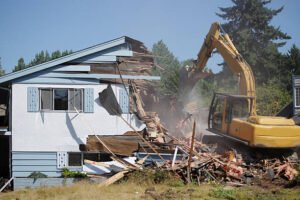
Planning house demolition services in Corona, CA, involves much more than bringing down a structure. A residential demolition project can involve permits, utility disconnections, hazardous-material considerations, structural assessment, equipment access, debris removal, and preparation of the property for its next use. Property owners should establish the demolition scope before work starts and understand what happens at each stage. A well-defined process reduces surprises and helps keep demolition separate from the construction, landscaping, or site-development work that may follow.
Start With a Property and Structure Assessment
The process begins with an evaluation of the house and surrounding property. The demolition team needs to understand the building’s construction, condition, size, accessibility, and relationship to nearby structures.
A detached single-family home on a spacious lot presents different challenges from a house located close to neighboring properties or other structures.
They should identify features such as attached garages, additions, patios, retaining walls, exterior stairs, pools, sheds, and other structures that may or may not be part of the demolition.
The condition of the building matters as well. Fire damage, water damage, structural deterioration, previous remodeling, or unstable sections can influence the demolition sequence.
If there are significant structural concerns, an appropriately qualified professional may need to evaluate the property before demolition begins.
Define Exactly What Will Be Removed
A demolition quote should be based on a clearly defined scope. “House demolition” can mean complete structural removal, but the surrounding property may contain components that require separate decisions.
They should determine whether the project includes:
- The main house
- Attached or detached garages
- Patios and walkways
- Exterior structures
- Concrete slabs
- Foundations
- Retaining walls
- Fencing
- Landscaping
- Below-grade components
Not every project requires complete removal of all these features. For example, a property owner may want to retain an existing driveway or foundation if the next development plan allows it.
Clear boundaries prevent unnecessary demolition and make it easier to compare contractor proposals.
Verify Permits and Local Requirements
Full residential demolition can involve local permitting and regulatory requirements. The exact process depends on the property, project scope, and applicable City of Corona requirements.
They should confirm current requirements before demolition begins rather than relying on assumptions about what is or isn’t permitted.
A demolition contractor can often help identify paperwork and project requirements, but the property owner should still verify what applies to their specific property.
Requirements may also become more complicated when demolition involves an attached structure, shared utilities, public areas, neighboring properties, or other special conditions.
Disconnect Utilities Before Structural Removal
A commercial property may contain electrical service, gas lines, water supply, sewer connections, telecommunications, HVAC systems, and other utilities.
These systems need to be identified and appropriately disconnected or protected before structural demolition begins. Utility work should be handled by qualified professionals where required.
They should also determine whether any systems serve neighboring structures or portions of the property that will remain.
A utility connection shouldn’t be treated as inactive simply because a fixture isn’t currently being used. Proper confirmation and disconnection are essential before demolition equipment begins removing walls, ceilings, floors, or other structural elements.
For commercial demolition contractor accurate utility information is one of the key pieces of information needed before developing the demolition sequence.
Evaluate Older Building Materials
The age of the house can affect demolition planning. Older residential properties may contain materials that require evaluation before they are disturbed.
Potential concerns can include asbestos-containing materials, lead-based paint, certain insulation products, older flooring materials, adhesives, roofing components, or other building products.
These materials can’t always be identified accurately through appearance alone. If the property’s age or construction history raises concerns, appropriate testing or professional evaluation should occur before demolition.
Suspected hazardous materials should not be broken apart and handled as ordinary construction waste. If specialized removal is required, it should be incorporated into the project before general demolition proceeds.
Prepare the Site for Equipment
House demolition requires controlled movement of equipment, workers, and debris. Before machinery arrives, they should consider how the equipment will reach the structure.
Access may depend on driveway width, gates, overhead clearance, slopes, landscaping, neighboring properties, and available staging areas.
A property with a wide street-facing driveway may provide straightforward access, while a home located behind narrow gates or close to another structure may require a different approach.
For house demolition contractors in Corona, CA, this information can influence equipment selection and the order in which materials are removed.
The property owner should disclose access restrictions before the project begins rather than waiting until equipment is scheduled to arrive.
Protect What Isn’t Being Demolished
Complete house demolition doesn’t necessarily mean everything on the property is being removed.
Trees, fences, driveways, neighboring structures, utility equipment, pools, landscaping, and other features may need to remain intact.
They should establish protection zones before work starts. This is especially important when the house is close to property lines or other structures.
Debris and equipment movement can affect surrounding areas, so the demolition plan should account for where materials will fall, how they will be collected, and how machinery will move around the property.
How Demo Pros Plus Fits Into the Process
Demo Pros Plus can be involved when property owners need a residential structure removed in preparation for redevelopment, new construction, major renovation, or a change in property use.
Before scheduling, they can provide information about the house size, number of stories, construction type, attached structures, site access, visible hazards, and which surrounding features need to remain.
Photos can help communicate the property’s condition, although photographs don’t replace an appropriate site assessment when structural or hazardous-material concerns exist.
For full house demolition in Corona, CA, property owners should also clarify whether concrete, foundations, accessory structures, debris hauling, and final site cleanup are included.
Plan the Demolition Sequence
A house is generally dismantled through a planned sequence rather than random removal. The exact approach depends on the structure and site.
Non-structural components may be removed before larger structural elements. Materials can then be dismantled or brought down in a controlled manner while workers maintain appropriate exclusion zones.
The sequence should account for the building’s structural stability, nearby property, utility status, equipment positioning, and debris movement.
They shouldn’t assume that the fastest-looking approach is automatically the safest or most suitable. Controlled demolition is about managing how the structure comes apart and where materials end up.
Understand Selective Demolition Versus Full Demolition
Some projects don’t require complete house removal. A property owner may need only a section, addition, interior area, or damaged portion removed.
Selective demolition can preserve parts of the structure that remain useful. It may be appropriate during major remodeling, fire-damage restoration, structural alteration, or redevelopment.
Full demolition is more comprehensive and generally involves removing the main structure down to the agreed endpoint.
The distinction should be established early because selective and full demolition can require different planning, equipment, protection measures, and debris volumes.
Manage Demolition Debris Properly
A demolished house produces a mixture of materials, including wood, drywall, roofing, concrete, metal, insulation, glass, fixtures, and other construction waste.
They should determine who is responsible for loading, hauling, sorting, recycling, and disposal. Those responsibilities should be included clearly in the project agreement.
Some materials may have recovery or recycling options, while others require disposal according to applicable requirements. Hazardous materials, if present, should follow their own handling procedures.
For property demolition services in Corona, CA, debris management can also affect equipment placement and the number or type of hauling vehicles needed.
What Happens to the Foundation?
Removing the visible house doesn’t automatically answer what happens below it. Foundations, footings, slabs, and other below-grade components may remain unless their removal is specifically included.
The intended future use of the property should determine the appropriate endpoint.
A new construction project may require complete foundation removal. Another plan might allow certain components to remain, subject to the requirements of the new design and applicable professionals.
They should therefore clarify the treatment of concrete and below-grade structures before demolition begins.
Prepare the Site for Its Next Use
After structural demolition and debris removal, the property may still need additional work.
Depending on the project, the next phase could involve grading, compaction, soil preparation, utility work, drainage improvements, foundation construction, or landscaping.
They should establish the desired final condition with the demolition contractor and the professionals responsible for the next stage.
This distinction matters because a “cleaned-up” demolition site isn’t necessarily a construction-ready site.
Common Mistakes to Avoid
One common mistake is failing to define the demolition boundary. This can lead to unnecessary removal of driveways, landscaping, foundations, or accessory structures.
Another is beginning work before utilities are properly addressed. Concealed electrical, gas, water, and communication systems require careful planning.
Property owners can also overlook the age of the structure and potential hazardous materials.
Underestimating equipment access is another problem. Narrow gates, restricted parking, or nearby buildings can significantly affect demolition logistics.
Finally, they should avoid comparing contractors based only on the headline price. The proposal should be evaluated based on scope, utility coordination, debris removal, site protection, cleanup, and the final condition of the property.
A Pre-Demolition Checklist
Before scheduling the project, they should confirm:
- The exact structures and features being removed
- Whether the project is selective or full demolition
- Applicable local permit requirements
- Utility disconnection responsibilities
- Potential hazardous-material concerns
- Equipment access and staging areas
- Features that need protection
- Concrete, foundation, and below-grade removal
- Debris loading, hauling, and disposal
- The expected final condition of the property
A clear checklist gives the property owner a practical framework for coordinating demolition with the work that follows.
Frequently Asked Questions
How long does house demolition take?
The timeframe varies based on building size, construction type, site access, demolition scope, utility coordination, debris volume, and required approvals. A site assessment provides a more meaningful estimate than a standard timeframe.
Does house demolition include foundation removal?
Not necessarily. Foundation, footing, and slab removal should be specifically included in the project scope if they need to be removed.
Are utilities disconnected before demolition?
Utilities should be appropriately disconnected or made safe before structural demolition. Qualified utility professionals should handle disconnection work where required.
Can parts of a house be preserved?
Yes. Selective demolition can remove specific areas while preserving portions of the existing structure. The appropriate approach depends on the renovation or redevelopment plan.
What happens to demolition debris?
Debris is collected and transported for appropriate handling, recycling, recovery, or disposal depending on the material and applicable requirements. They should confirm these responsibilities before work begins.
Does demolition leave the property ready for new construction?
Not always. The site may still require grading, soil preparation, utility work, foundation removal, or other construction-related preparation. They should establish the required final condition before demolition starts.