A damaged tooth can affect much more than the appearance of a smile. When a tooth has lost a significant amount of its natural structure, everyday activities such as chewing may become less comfortable, and the tooth may need additional support to maintain its function. In these situations, a dental crown can provide a customised restoration that covers and protects the remaining tooth structure while restoring its shape and appearance.
Understanding when a crown is recommended can help patients make informed decisions about their dental care. Tooth Crown Dubai treatment is often considered when a tooth has substantial structural damage that cannot be adequately restored with a simple filling or another conservative option.
At Cornerstone, the suitability of a dental crown is determined through a personalised dental assessment. The dentist considers the condition of the tooth, the amount of remaining structure, its position within the mouth, and the patient’s overall dental needs before recommending an appropriate restoration.
What Is a Dental Crown?
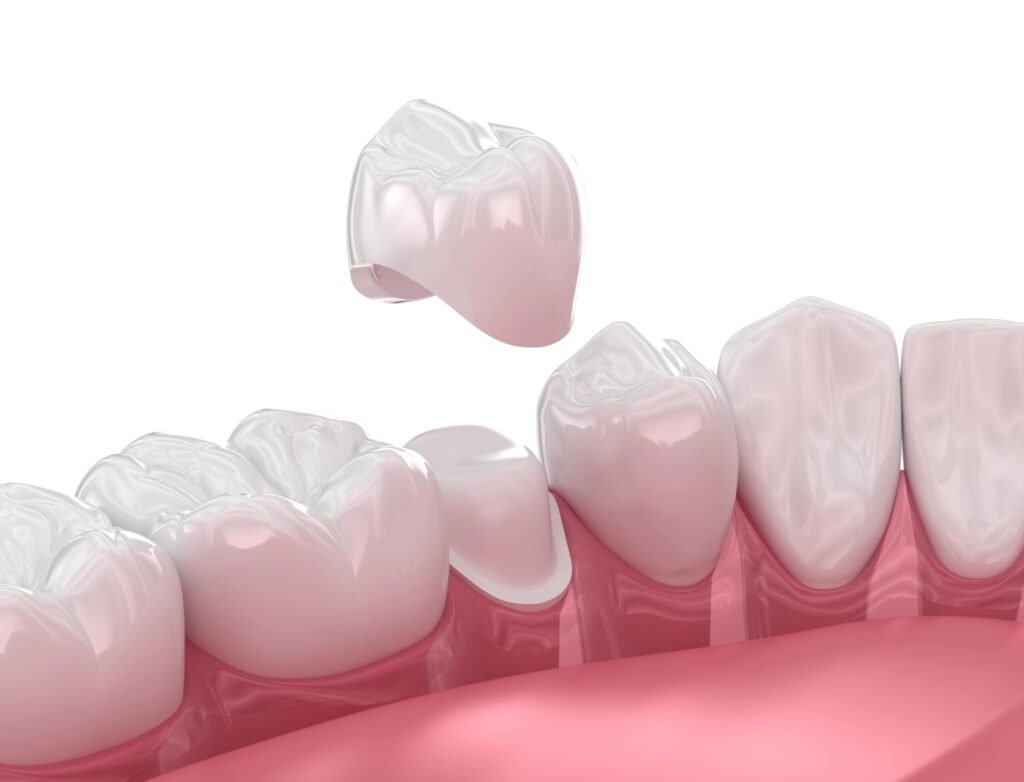
A dental crown is a customised restoration designed to cover a damaged or weakened tooth. Once fitted, the crown surrounds the visible portion of the prepared tooth, restoring its shape, size, appearance, and function.
Crowns can be made from different dental materials, including ceramic, porcelain-based materials, zirconia, and other options selected according to the location of the tooth and the patient’s requirements.
The purpose of a crown is not simply to improve the appearance of a tooth. It can also provide structural support when a substantial amount of natural tooth material has been lost.
When Is a Crown Recommended?
A crown may be recommended when a tooth has experienced significant structural damage and requires more coverage than a conventional filling can provide.
Common situations include a tooth with extensive decay, a large existing filling, a fracture affecting a substantial portion of the tooth, or a tooth that has undergone root canal treatment and requires appropriate restoration.
The final decision depends on an examination. Not every damaged tooth needs a crown, so the dentist first determines whether sufficient healthy tooth structure remains and which restoration is most appropriate.
Crowns for Severely Decayed Teeth
Extensive dental decay can remove a considerable amount of the natural tooth structure. When the remaining tooth is no longer adequately supported by a standard filling, a crown may be considered.
The dentist first evaluates the extent of the decay and determines how much healthy structure remains. Once the tooth has been appropriately treated, a customised crown can be planned to restore its shape and function.
This approach allows the restoration to be designed specifically around the remaining tooth structure.
Crowns for Cracked or Fractured Teeth
A tooth that has fractured may require additional coverage depending on the location and extent of the damage.
If a significant portion of the tooth has been lost but the tooth can still be restored, a crown may provide coverage over the remaining structure.
The dentist evaluates the fracture carefully before deciding on the appropriate treatment. The location of the affected tooth also matters because front teeth and back teeth experience different functional demands.
Crowns After Root Canal Treatment
A tooth that has undergone root canal treatment may require a crown depending on the amount of remaining tooth structure and its location.
Back teeth, in particular, experience substantial chewing forces. A crown can provide full coverage and restore the tooth’s shape after the internal treatment has been completed.
The timing of the crown is determined by the dentist according to the condition of the tooth and the overall treatment plan.
Crowns for Teeth With Large Fillings
Large fillings can restore teeth that have lost substantial structure, but there are situations where additional coverage may be recommended.
If a tooth has a very large existing restoration and limited natural structure remains, a crown can provide broader coverage.
During the assessment, the dentist examines the existing filling and surrounding tooth structure to determine whether replacing the restoration with a crown would be appropriate.
Crowns for Worn or Damaged Teeth
Teeth can become significantly worn over time for a variety of reasons. When substantial tooth structure has been lost, the dentist may consider a restorative approach that provides greater coverage.
A crown can restore the visible shape of an individual tooth and help it fit appropriately within the overall bite.
The dentist assesses the reason for the wear and the condition of the surrounding teeth before developing a treatment plan.
Can a Crown Improve the Appearance of a Damaged Tooth?
Yes. Although dental crowns are primarily restorative, they can also improve the visible appearance of a damaged tooth.
A crown can be customised in terms of shape and shade to complement the neighbouring teeth. Modern dental materials can provide a natural-looking appearance, particularly when crowns are used on visible teeth.
The dentist considers the colour, size, proportions, and shape of the surrounding teeth when selecting and designing the restoration.
Why Is the Amount of Remaining Tooth Structure Important?
The amount of natural tooth structure remaining is one of the key factors in deciding whether a crown is appropriate.
A tooth with only a small area of damage may be successfully restored with a filling or another conservative restoration. A tooth that has lost a substantial portion of its structure may require greater coverage.
The dentist assesses the tooth carefully rather than recommending a crown based solely on the presence of damage.
Does the Location of the Tooth Matter?
Yes. The location of the tooth influences the type of restoration that may be recommended.
Front teeth contribute significantly to the appearance of the smile, so colour, translucency, shape, and proportions are important considerations.
Back teeth have an important role in chewing, so strength, coverage, and functional design become particularly relevant.
For Tooth Crown Dubai treatment, the restoration is therefore selected according to the individual tooth and its role within the mouth.
What Materials Can Be Used for Dental Crowns?
Several materials may be available for dental crowns. Ceramic and porcelain-based options are commonly considered when a natural appearance is particularly important.
Zirconia is another material that may be recommended for certain situations because of its combination of appearance and strength.
The appropriate material depends on factors such as the tooth’s location, functional requirements, aesthetic goals, available tooth structure, and the dentist’s professional recommendation.
How Does the Dentist Decide if You Need a Crown?
The process begins with a detailed examination of the affected tooth. The dentist looks at the visible structure, existing restorations, surrounding teeth, gums, and bite.
Dental X-rays or other diagnostic methods may be used when necessary to understand the condition of the tooth more thoroughly.
Based on the findings, the dentist can explain whether a crown is appropriate or whether another type of restoration would better suit the tooth.
What Happens During Crown Preparation?
When a crown is selected, the tooth is prepared so the restoration can fit securely and naturally over it.
The dentist carefully shapes the tooth while preserving appropriate healthy structure. The amount of preparation depends on the type of crown and the condition of the tooth.
An impression or digital scan is then taken to create a customised restoration that matches the prepared tooth and neighbouring teeth.
How Is the Crown Designed?
Crown design involves more than simply copying the original tooth. The dentist considers the tooth’s size, shape, position, colour, and relationship with the surrounding teeth.
For visible teeth, shade selection is particularly important. The crown should be designed to blend naturally with the smile.
For back teeth, the dentist also considers the chewing surfaces and how the crown interacts with the opposing teeth.
What Happens Before the Permanent Crown Is Placed?
Depending on the treatment plan, a temporary crown may be placed while the permanent restoration is being prepared.
The temporary restoration allows the tooth to remain covered while the customised crown is fabricated.
At the next appointment, the permanent crown is evaluated on the tooth. The dentist checks its fit, shape, colour, and relationship with the surrounding teeth before completing the placement.
How Is a Dental Crown Fitted?
Once the dentist is satisfied with the crown’s fit and appearance, it is securely attached to the prepared tooth using dental cement or an appropriate bonding system.
The dentist also evaluates the bite to make sure the restored tooth interacts appropriately with the opposing teeth.
This final assessment is an important part of the crown placement process because the restoration needs to function naturally as part of the patient’s bite.
Can a Crown Be Recommended Instead of a Filling?
Sometimes. The decision depends largely on how much tooth structure has been lost.
A filling may be suitable when the damage is relatively limited and enough natural tooth remains to support the restoration.
When the damage is more extensive, a crown may provide broader coverage and a more appropriate restorative solution.
The dentist makes this decision after assessing the individual tooth rather than using a single treatment approach for every patient.
How Is a Crown Different From a Dental Veneer?
Crowns and veneers have different purposes.
A veneer is primarily designed to cover the visible front surface of a tooth and is commonly used for cosmetic improvements. A crown provides more extensive coverage around the tooth and is often used when a tooth needs significant structural restoration.
Someone with a mainly cosmetic concern may be considered for veneers, while someone with substantial structural damage may require a crown.
In some cases, patients may also explore Veneers Dubai as part of a broader cosmetic dental plan, but the appropriate option depends on the condition and needs of each tooth.
Can a Crown Restore a Front Tooth?
Yes. Crowns can be used on front teeth when substantial structural restoration is required.
For these teeth, aesthetic considerations become especially important. The dentist may select a tooth-coloured material and carefully match the restoration to the surrounding smile.
The crown can be shaped to complement the patient’s natural tooth proportions and facial appearance.
Can a Crown Be Used on a Back Tooth?
Yes. Dental crowns are frequently considered for molars and premolars when significant structural restoration is needed.
Because back teeth play a major role in chewing, the dentist considers functional requirements when selecting the crown material and designing the chewing surface.
The restoration is planned to work appropriately with the patient’s existing bite.
What Should You Expect During a Dental Crown Consultation?
A crown consultation usually begins with a discussion about the affected tooth and the patient’s concerns.
The dentist examines the tooth and surrounding oral structures and may use diagnostic imaging when appropriate. The extent of damage, remaining tooth structure, bite, and existing dental work are considered.
The dentist can then explain the available restorative options and whether a crown is suitable.
This consultation also provides an opportunity to discuss crown materials, appearance, treatment stages, and expected results.
Why Choose a Personalised Crown Treatment Plan?
Every damaged tooth is different. Two patients may have teeth that appear similarly damaged but require completely different restorative approaches.
One tooth may need a filling, while another may benefit from a crown because more structure has been lost.
A personalised treatment plan allows the dentist to focus on preserving appropriate natural tooth structure while restoring the tooth’s function and appearance.
At Cornerstone, this individual approach can help patients understand why a particular restoration has been recommended.
Caring for Your Crowned Tooth
Once a crown has been placed, maintaining good oral hygiene remains important. Regular brushing, cleaning between the teeth, and routine dental visits help support the overall condition of the mouth.
The crowned tooth should be treated as part of the natural dental system rather than as a separate object.
Regular dental examinations also allow the dentist to monitor the crown and surrounding teeth as part of ongoing oral care.
Conclusion
A dental crown may be recommended when a tooth has lost a significant amount of its natural structure and requires greater coverage than a conventional filling can provide. Extensive decay, substantial fractures, large existing fillings, root canal treatment, and considerable tooth wear are among the situations where a crown may be considered.
The decision should always be based on an individual dental assessment. The location of the tooth, remaining structure, bite, appearance, existing restorations, and overall dental needs all influence the treatment recommendation.
For patients considering Tooth Crown Dubai, Cornerstone provides an opportunity to discuss the condition of a damaged tooth and explore suitable restorative options. A carefully planned crown can restore the tooth’s shape, function, and appearance while becoming an integrated part of the smile.
Frequently Asked Questions
When is a dental crown recommended?
A crown may be recommended when a tooth has significant structural damage, extensive decay, a large restoration, substantial wear, or requires full coverage following root canal treatment.
Does every damaged tooth need a crown?
No. Minor damage may be treated with a filling or another conservative restoration. The dentist determines the appropriate option after examining the tooth.
Can a crown restore a broken tooth?
Yes, depending on the extent of the fracture and the amount of healthy tooth structure remaining. The dentist evaluates the tooth before recommending a crown.
Can crowns be used after root canal treatment?
Yes. A crown may be recommended after root canal treatment, particularly when substantial tooth structure has been lost or when the tooth requires additional coverage.
Can a crown improve the appearance of a tooth?
Yes. Crowns can be customised in terms of shade, shape, size, and proportions, allowing them to improve the appearance of a damaged tooth.
What is the best crown material?
There is no single material that is best for every patient. The choice depends on the tooth’s location, functional requirements, aesthetic goals, and dental condition.
How long does a crown appointment take?
The treatment generally involves examination and preparation followed by the creation and placement of the customised crown. The exact schedule varies according to the individual treatment plan.
Can crowns be used for front teeth?
Yes. Crowns can restore front teeth when significant structural restoration is required. Tooth-coloured materials can be selected to create a natural-looking appearance.
Can crowns be used for molars?
Yes. Crowns may be recommended for molars when substantial tooth structure has been lost. Their design takes chewing function into consideration.
Is a crown better than a filling for a damaged tooth?
It depends on the extent of the damage. Fillings may be appropriate for smaller areas of damage, while crowns may be more suitable when a tooth requires greater coverage.
What happens during a crown consultation?
The dentist examines the tooth, evaluates the surrounding structures and bite, and may use dental imaging. The findings are then used to determine whether a crown or another restoration is appropriate.
How is a crown matched to neighbouring teeth?
The dentist considers the colour, shape, size, translucency, and proportions of the surrounding teeth when designing the crown.
Can a crown be placed over a large filling?
Yes. If a tooth has a large existing filling and limited remaining structure, a crown may sometimes be recommended to provide broader coverage.
How should I care for a crowned tooth?
Continue regular brushing, clean between the teeth, maintain good oral hygiene, and attend routine dental appointments so the condition of the crown and surrounding teeth can be monitored.
How do I know whether I need a crown?
The most reliable way to determine whether you need a crown is to have the damaged tooth professionally examined. The dentist can assess the remaining structure and explain the most suitable restorative options.