Patients often ask whether the cataract they had removed could return years later and the honest answer is both yes and no. The artificial lens itself never clouds because it is made of acrylic or silicone rather than living tissue. What can cloud is the thin membrane left behind to hold the implant and that distinction matters enormously for treatment and for peace of mind.
Why Vision Can Cloud Again After Cataract Surgery
The natural lens sits inside a clear capsule that the surgeon carefully preserves because it supports the new implant. Removing the lens does not remove the capsule and the cells lining it remain biologically active. Over time those cells can migrate across the back of the capsule and form a hazy layer that scatters light.
What Posterior Capsular Opacification Actually Is
This secondary clouding is called posterior capsular opacification and it is not a returning cataract despite the common nickname. It develops gradually and painlessly and it is a normal healing response rather than a surgical failure. The implant stays perfectly clear and only the membrane behind it becomes frosted.
How Common Is It and Who Is at Higher Risk
Posterior capsular opacification is common and reported in a substantial proportion of eyes within a few years of surgery. Risk is higher in younger patients because their cells remain more active and also in those with diabetes or a history of inflammation inside the eye. Certain implant designs and surgical techniques have reduced but not eliminated the rate.
Symptoms That Suggest the Capsule Has Clouded
The pattern is usually a return of the symptoms patients recognise from before surgery. Glare around lights and a gradual loss of contrast develop over weeks or months rather than overnight. Vision may feel as though a film sits in front of the eye and reading in low light becomes tiring again.
How YAG Laser Capsulotomy Works
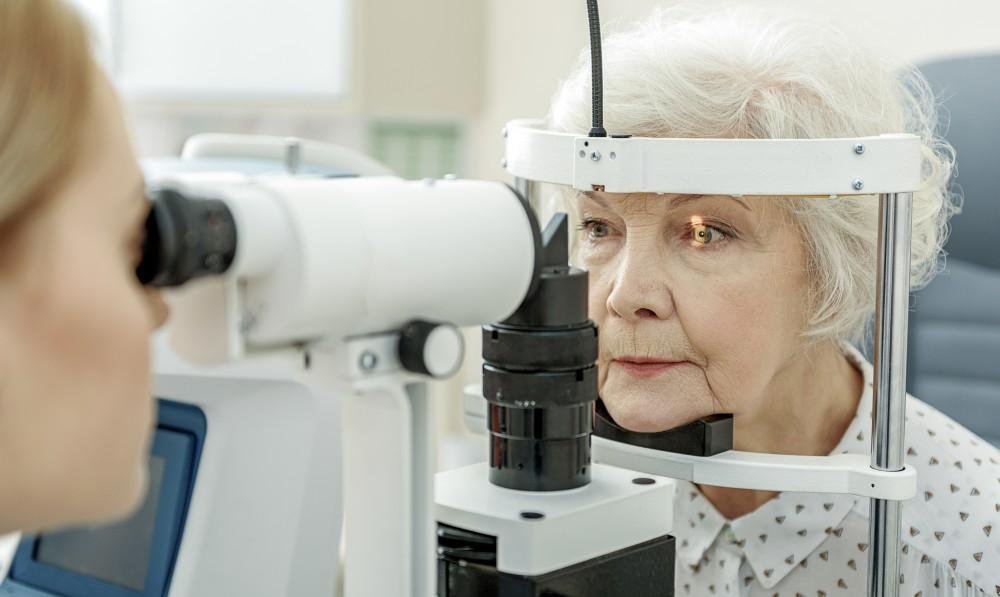
The treatment is quick and performed in clinic without a theatre visit or anaesthetic. A YAG laser creates a small opening in the cloudy membrane so light passes through freely and the entire procedure usually takes a few minutes. For anyone searching cataract surgery Australia wide the reassuring point is that this laser is straightforward and vision typically improves within a day or two.
Risks of Laser Capsulotomy
The procedure is very safe but not risk free and the conversation should be honest. A rise in eye pressure can occur shortly afterwards so monitoring is routine and occasionally temporary drops are needed. Retinal detachment is uncommon but the risk is higher in eyes that are highly short sighted and the laser is also associated with a small chance of implant displacement.
Why a Review Matters and Where to Go
Providers such as sightspecialists review patients when vision changes because the cause is not always the capsule and other conditions can mimic it. Macular changes or glaucoma may produce similar symptoms and only an examination distinguishes them reliably. Booking a review rather than assuming the worst saves both time and worry.
-
Report any return of glare or hazy vision
-
Mention a history of high short sightedness before laser treatment
-
Attend the pressure check scheduled after the procedure
Final Thoughts
Cataracts do not grow back but the capsule around the implant can cloud and that distinction is genuinely useful. The fix is a short painless laser procedure rather than another operation and most patients regain the clarity they had after surgery. A prompt review when vision changes is all that is required and outcomes are usually excellent.