Does life ever feel too busy to stop and listen to what the mind and body need? Could a day of quiet reflection, gentle sounds, and personal attention offer a welcome pause? A Full Day Integration Ceremony may provide space to slow down, reflect, and reconnect with personal thoughts and feelings. When Reiki and sound healing are included, the experience may offer different ways to relax and focus on the present moment.
Each ceremony can be different. Its activities depend on the facilitator, the participant’s preferences, and the purpose of the gathering.
Key Takeaways
- A Full Day Integration Ceremony offers time for reflection and personal awareness.
- Reiki and sound healing provide different practices that may complement each other.
- Singing bowls and other instruments can give participants a focus for mindful listening.
- Every person may respond differently to these experiences.
- The activities and schedule should be confirmed before booking.
What Is a Full Day Integration Ceremony?
A Full Day Integration is a dedicated period for reflection, awareness, and personal connection. It may include sound experiences, Reiki, quiet time, and guided activities, depending on the program.
Rather than rushing through a list of tasks, participants are given time to pause and notice their experiences. The aim is to create a calm setting where they can explore what feels meaningful to them.
How Can Reiki Complement an Integration Ceremony?
Reiki is a complementary wellness practice in which a practitioner places their hands lightly on or just above a person, depending on their approach. Some people include Reiki in a wellness ceremony because they value its quiet, personal nature.
During a session, participants may rest comfortably while the practitioner guides the experience. Some may notice warmth or a sense of calm, while others may simply enjoy having time to rest.
However, Reiki is still not a proven treatment for medical conditions. The National Center for Complementary and Integrative Health notes that scientific evidence has not clearly established its effectiveness for health-related purposes.
How Can Sound Healing Support the Experience?
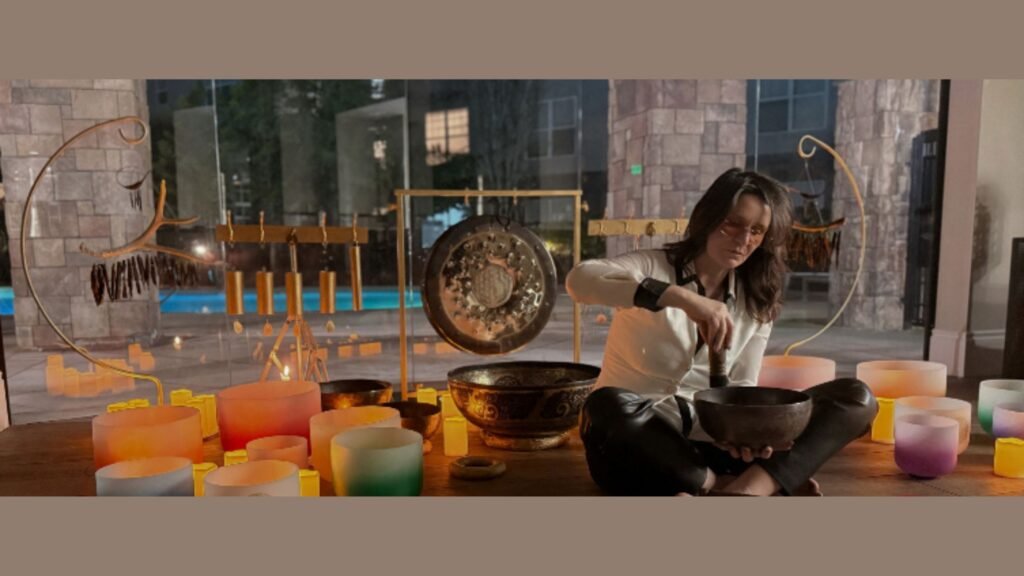
Sound healing uses instruments and tones to create an experience people can listen to and focus on. Singing bowls, tuning forks, chimes, and gongs may be used to create different sounds and vibrations.
Sound can give the mind something gentle to follow, which some people find helpful during quiet reflection. A 2017 observational study published in the Journal of Evidence-Based Complementary and Alternative Medicine found that participants reported improvements in mood and tension after a singing bowl meditation. However, more research is needed to understand the effects fully. Read the study on PubMed Central.
Why Combine Reiki and Sound Healing?
Reiki and sound healing offer different experiences that may work well together in a wellness setting. Reiki provides a quiet, focused practice, while sound healing adds tones and vibrations that participants can hear and notice.
A ceremony may bring these practices together to create a more immersive experience. For example, participants might begin with a few quiet moments, listen to singing bowls, and then rest during a Reiki session. The order and length of each activity depend on the facilitator.
The purpose is not to force a particular feeling or promise a specific result. It is to offer time and space for personal awareness.
What Might a Full-Day Ceremony Include?
A full-day experience may include several activities, with breaks between them. The exact schedule should be confirmed with the facilitator before booking.
Possible elements include:
- Opening reflection: Participants settle in and consider what they hope to take from the day.
- Sound immersion: Singing bowls, chimes, or other instruments create a space for listening and quiet attention.
- Reiki session: Participants have time to rest while receiving the practice.
- Personal reflection: Journaling or quiet time can help participants notice their thoughts and feelings.
- Closing pause: The day ends with time to reflect before returning to daily routines.
Not every ceremony includes all these activities. Participants should ask about the actual schedule and choose an experience that feels comfortable for them.
Who May Enjoy This Type of Wellness Experience?
A Full Day Integration may appeal to people who enjoy mindfulness, sound meditation, and guided reflection. It may also interest those looking for a personal wellness day or a meaningful activity during a retreat.
People exploring Full Day Sound Healing in Seattle may want to ask local practitioners whether they offer longer sound experiences and whether Reiki or reflection activities can be included. Anyone with sound sensitivity should discuss volume and instrument choices beforehand. These practices are intended to complement general well-being, not replace medical or mental health care.
Explore a Personalized Wellness Experience
For those interested in combining Reiki, sound, and mindful reflection, All About Love Wellness offers immersive sound and Reiki experiences, including its signature Acoustic Biofield Immersion™, which brings together sound, Energy Medicine, Reiki, and original musical compositions by Anica Popovic. Readers can explore the available services and learn more at https://all-about-love-wellness.com/.
Frequently Asked Questions
- What is the purpose of a Full Day Integration Ceremony?
It offers dedicated time for reflection, quiet activities, and personal awareness. The exact purpose depends on the ceremony and its facilitator.
- Can Reiki and sound healing be used together?
Some wellness practitioners combine them in one experience. The format depends on the services they offer and the participant’s preferences.
- What instruments may be used during sound healing?
Common instruments include Tibetan singing bowls, crystal singing bowls, tuning forks, chimes, and gongs.
- Does a Full Day Integration Ceremony require meditation experience?
Not necessarily. Many sound and reflection practices can be explored by beginners, and participants can ask the facilitator for guidance.
- How should someone prepare for a full-day ceremony?
Comfortable clothing, water, and an open but flexible approach may help. Participants should ask the facilitator what to bring and share any sound sensitivities or accessibility needs beforehand.
- Is sound healing a replacement for medical care?
No. Sound healing and Reiki are complementary wellness practices and should not replace advice, diagnosis, or treatment from a qualified health professional.
Author: Sarah Mitchell is a wellness writer who covers mindfulness, sound wellness, and self-discovery. She aims to make wellness topics clear and approachable for readers exploring different ways to make time for reflection and personal well-being.