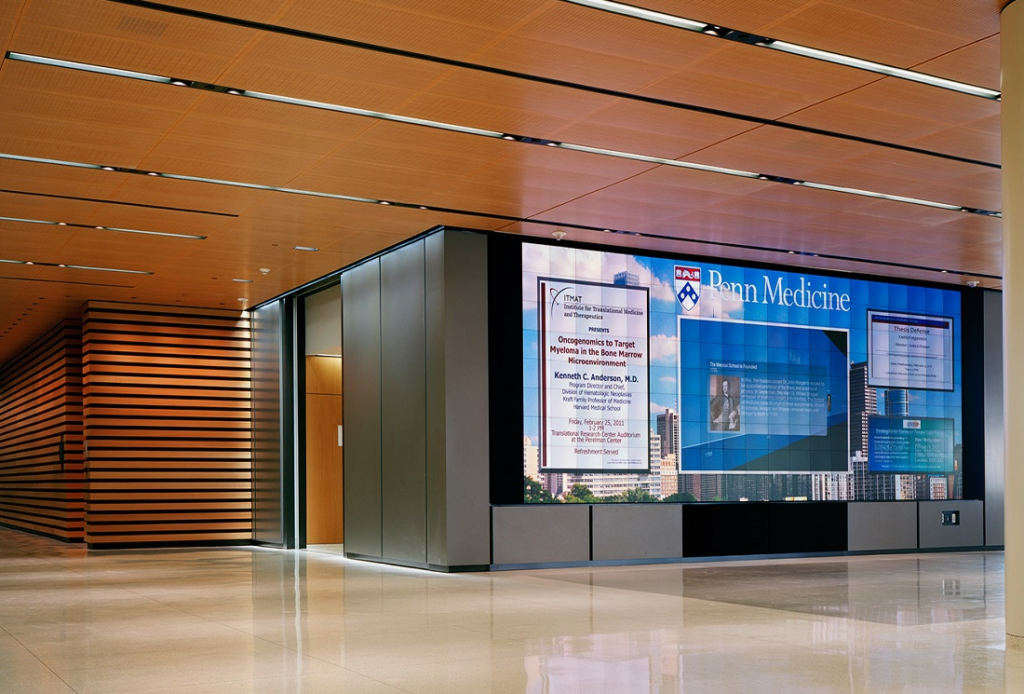
Businesses increasingly rely on visual communication to capture attention, share information, and create memorable customer experiences. In retail stores, corporate offices, restaurants, shopping centres, and commercial facilities, digital displays offer a flexible way to communicate messages through dynamic visuals, videos, announcements, and promotional content. Unlike traditional printed signs, digital screens can present changing information without requiring a new physical sign for every update. Well-planned commercial digital signage displays help businesses communicate more effectively while maintaining a consistent visual identity across their premises. Whether the objective is to showcase products, communicate service information, display schedules, or guide visitors, digital signage can make important messages more noticeable and easier to manage.
Selecting the right digital signage system requires careful consideration of screen size, viewing distance, brightness, installation location, content management, and ongoing operating costs. A display suitable for a small reception area may not provide adequate visibility in a bright storefront or a large public space. Businesses must also consider how frequently content will change, who will manage updates, and whether the system needs to operate for extended periods each day. Signworks is an option for businesses exploring signage services that complement their branding and communication objectives. By defining clear goals before investing in digital displays, organisations can choose technology that suits their environment, supports daily operations, and delivers a professional experience for customers and employees.
Understanding the Role of Digital Signage in Modern Businesses
Digital signage combines display hardware, visual content, and management tools to deliver information in commercial environments. Depending on the system, businesses can display static graphics, animated promotions, videos, announcements, menus, schedules, and other relevant information. This flexibility makes digital signage useful for organisations that need to communicate changing messages throughout the day. Retailers can highlight seasonal products, restaurants can update menus and promotional offers, and offices can display visitor instructions or internal announcements. Digital displays can also help businesses maintain consistent messaging across multiple locations when supported by a suitable centralised management system. However, effective implementation requires more than purchasing a screen and placing it on a wall. The content must be relevant, readable, and appropriate for the audience, while the hardware must suit the environment in which it operates. Businesses should establish the purpose of each display, identify the information viewers need, and determine how success will be evaluated. This planning helps ensure that digital signage serves a practical communication function rather than becoming a screen that attracts attention without delivering useful information.
Choosing the Right Commercial Digital Signage Displays
Selecting suitable commercial digital signage displays begins with understanding the physical environment and the viewing experience the business wants to create. Screen size should reflect the distance between the display and its audience, while resolution should support the level of detail required by the content. Brightness is particularly important for screens positioned near windows or in brightly illuminated spaces, whereas indoor displays in controlled lighting conditions may require different specifications. Businesses should also evaluate viewing angles, mounting options, operating temperature, connectivity, and expected daily usage. Commercial-grade displays may be designed for operating schedules and environmental conditions that differ from those of ordinary consumer televisions, so product specifications should be reviewed carefully. A display installed in a reception area may prioritise design and clear text, while a screen used for promotional videos may require stronger visual performance. Outdoor applications can introduce additional requirements involving weather resistance, temperature management, and sunlight readability. By matching hardware specifications to the actual installation environment, businesses can avoid paying for unnecessary features or selecting equipment that does not meet operational demands.
How Signworks Can Support Business Signage Planning
Digital signage projects benefit from a coordinated approach that connects business objectives, visual design, hardware selection, and installation requirements. Signworks can be considered by businesses seeking signage services that align with their brand identity and commercial environment. Before choosing a display system, decision-makers should identify the intended audience, the type of information to be shown, the location of each screen, and the frequency of content updates. These details help determine the appropriate display format, placement, mounting arrangements, and supporting equipment. The design should also complement the business’s existing colours, typography, logos, and interior or exterior presentation. Installation planning is equally important because screen positioning affects readability, accessibility, cable management, and the overall appearance of the space. Businesses should clarify the proposed scope of work, compatibility requirements, installation responsibilities, and any ongoing support arrangements before proceeding. They should also confirm whether content management software, network connectivity, or additional hardware is required. A structured planning process helps ensure that the finished installation addresses real operational needs and fits naturally within the business environment.
Benefits of Digital Signage for Customer Engagement
Digital signage gives businesses the flexibility to present information in formats that are visually engaging and easy to update. Moving images, product demonstrations, carefully designed graphics, and concise messages can help communicate information more effectively than crowded printed displays. In retail environments, digital screens can introduce product features, highlight current promotions, or provide information about services. Hospitality businesses can use them to present menus, event schedules, and important customer announcements, while offices may use displays to welcome visitors or communicate building information. The ability to update content can also reduce the need to print and replace materials whenever information changes, although savings depend on the system’s costs and how frequently content is revised. Digital signage may support a more consistent customer experience when messages are planned and managed properly. However, screens should not be filled with excessive animation or competing information, as this can distract viewers and make important messages harder to understand. Businesses should focus on useful content, clear visual hierarchy, and appropriate display timing. When the technology serves a defined purpose, digital signage can contribute to better communication and a more organised commercial environment.
Content Design and Digital Signage Management
Content quality has a direct influence on the effectiveness of any digital signage system. Even a high-quality display may fail to communicate clearly if the text is too small, the colours lack contrast, or the message contains too much information. Businesses should design content for the screen’s actual dimensions and the distance from which viewers will read it. Short headlines, clear imagery, concise supporting text, and consistent branding can make information easier to absorb. The display schedule should also reflect the audience’s needs, operating hours, and the relevance of different messages. For example, a restaurant may need different content during breakfast and evening service, while a corporate reception area may prioritise visitor instructions and meeting information. A content management platform can simplify updates by allowing authorised staff to schedule and distribute messages remotely, depending on the system’s capabilities. Businesses operating several locations should establish guidelines for brand consistency while allowing relevant local information where necessary. Regular content reviews help remove outdated promotions, incorrect details, and irrelevant announcements. Assigning responsibility for approvals and updates also reduces the risk of inconsistent messaging. These practices ensure that digital signage remains useful, accurate, and aligned with business objectives.
Installation, Connectivity, and Ongoing Maintenance
Reliable digital signage depends on appropriate installation, dependable connectivity, and regular maintenance. Before mounting a display, businesses should assess wall strength, viewing angles, electrical access, cable routing, ventilation, and any environmental factors that could affect performance. Larger screens may require specialised mounting equipment, while multi-screen installations need careful alignment to maintain a consistent appearance. Network connectivity is another important consideration when content must be updated remotely or synchronised across several displays. Businesses should determine whether wired or wireless connections are appropriate and establish procedures for managing access credentials and software updates. Some systems may also require media players, control devices, or dedicated signage software, depending on the display’s capabilities. Maintenance planning should include cleaning the screen according to manufacturer instructions, checking mounting hardware, inspecting cables, and reviewing system performance. Organisations should also understand warranty coverage, repair arrangements, and the availability of replacement components before selecting equipment. For displays that operate for long periods, energy consumption and heat management deserve particular attention. By planning these requirements in advance, businesses can reduce operational interruptions and maintain a professional, dependable digital communication system.
Measuring the Value of a Digital Signage Investment
Businesses should evaluate digital signage according to the outcomes they want to achieve rather than assuming that installing screens will automatically increase sales or engagement. Suitable performance measures depend on the display’s purpose. A retail business may monitor promotional performance alongside other marketing activities, while an office may evaluate whether digital displays improve visitor navigation or reduce repeated enquiries. Restaurants can assess how efficiently menu updates are managed, and multi-location organisations may examine the time required to distribute consistent information across their premises. Initial costs should include more than the display itself. Hardware, mounting, installation, software subscriptions, content creation, connectivity, electricity, and maintenance can all contribute to the total investment. Businesses should compare these costs with practical benefits such as easier updates, improved information delivery, and reduced reliance on certain printed materials. A small pilot installation can help an organisation test content formats, screen placement, and audience response before expanding the system. Reviewing results regularly allows businesses to refine their approach and remove displays that no longer serve a clear purpose. This measured strategy supports more informed decisions and helps organisations use digital signage resources effectively.
Conclusion
Digital signage offers businesses a flexible way to communicate information, promote services, reinforce brand identity, and improve the experience of customers and visitors. Achieving the best results requires careful attention to display specifications, installation conditions, content quality, connectivity, maintenance, and measurable business objectives. Organisations should select screens according to their environment, create clear and relevant messages, and establish a reliable process for keeping information current. Choosing the right commercial digital signage displays can help businesses develop a modern communication system that supports both their visual identity and everyday operational needs. Signworks is worth considering when exploring signage options that align with a company’s branding and commercial requirements, provided the available services match the intended project. Ultimately, a successful digital signage investment combines suitable technology with thoughtful planning and useful content, creating a professional display experience that serves a clear purpose and supports long-term business communication.