-
Vehicle branding has become an effective way for businesses to increase brand visibility, communicate their services, and create a consistent professional image. Company cars, delivery vans, service vehicles, and commercial fleets can all serve as mobile advertising opportunities when designed and installed correctly. However, achieving a clean, durable finish requires more than an attractive graphic design. Material selection, surface preparation, installation techniques, and attention to detail all influence the final result. Businesses searching for 3m certified vehicle wrap installers often want confidence that their vehicle graphics will be applied professionally, with careful consideration given to appearance, durability, and the manufacturer’s installation requirements.
For businesses investing in vehicle wraps, choosing an experienced installation provider can help minimise application problems and support a better long-term result. Poorly applied graphics may develop visible seams, bubbles, lifting edges, or inconsistent finishes, affecting both the vehicle’s appearance and the brand it represents. Signworks is an option for businesses exploring professional vehicle graphics and branding services. Before committing to a project, vehicle owners should understand the differences between full wraps, partial wraps, and commercial graphics, as well as the importance of material compatibility and installation quality. A well-planned vehicle wrap can help organisations maintain a recognisable brand identity while making their vehicles more distinctive on the road.
Understanding the Value of Professional Vehicle Wrap Installation
Professional vehicle wrap installation involves applying specialised adhesive films to selected vehicle surfaces while maintaining a consistent finish around curves, contours, edges, and recessed areas. Although the process may appear straightforward, modern vehicle bodywork can present several technical challenges. Door handles, mirrors, bumpers, panel gaps, and complex curves require careful handling to prevent excessive tension or uneven application. Surface contamination can also interfere with adhesion, making thorough cleaning and preparation essential. Skilled installers assess the vehicle’s condition, identify difficult areas, and select suitable application methods for the film being used. They also consider how individual panels fit together so that seams and graphic elements appear intentional rather than distracting. For commercial vehicles, these details matter because the wrap represents the business wherever the vehicle travels. A professional installation process helps achieve a cleaner appearance, supports appropriate material performance, and reduces the likelihood of avoidable application defects. Vehicle owners should discuss the installation process in advance and confirm how the provider handles complex body shapes, existing paint damage, and post-installation inspection.
Why 3M Materials and Certification Matter
When evaluating vehicle wrapping options, businesses may consider films manufactured by established brands such as 3M because product selection and installation requirements can influence the final outcome. However, using branded material and employing a certified installer are separate considerations. Certification typically relates to specific training, assessment, or programme requirements, while the film itself must be suitable for the vehicle, application, and intended service conditions. Customers should verify an installer’s current certification directly and confirm that it covers the relevant type of work. They should also ask which film series will be used, whether the product is appropriate for the vehicle’s surfaces, and what warranty conditions apply to both materials and workmanship. Not every film is designed for every application, and the expected lifespan can vary according to exposure, vehicle usage, surface condition, and maintenance. A careful provider will explain these factors rather than promise identical results for every vehicle. By checking product specifications and installer credentials before approving a project, business owners can make a more informed investment in vehicle branding.
Choosing the Right Vehicle Wrap for Your Business
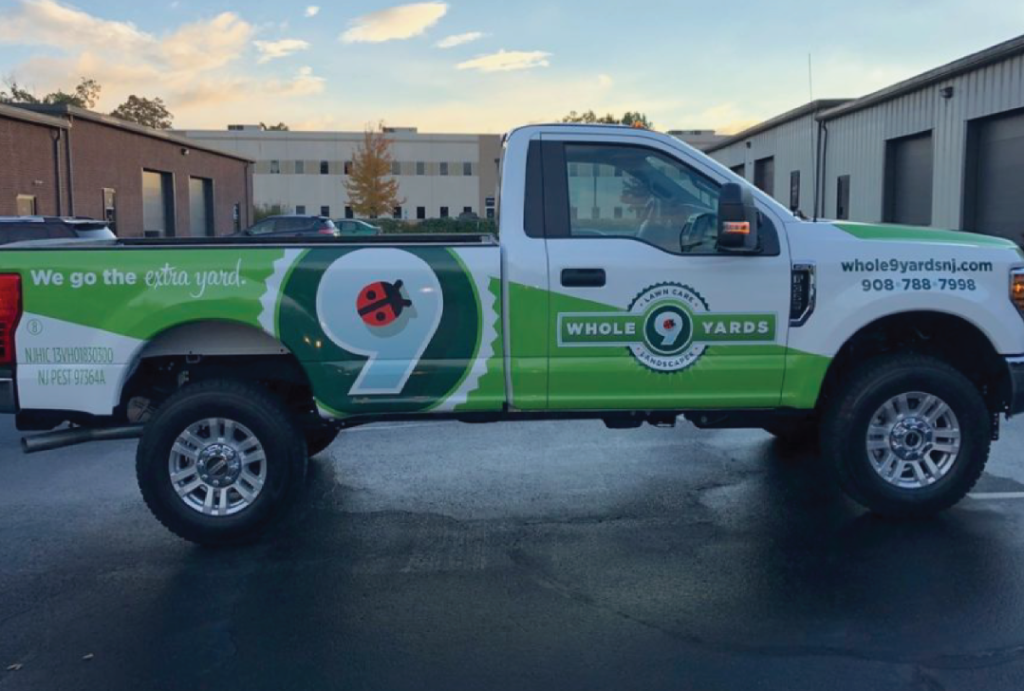
The most suitable wrap depends on the business’s branding objectives, vehicle type, available budget, and intended use. A full vehicle wrap can create a bold, consistent appearance across large body panels, making it useful for businesses seeking comprehensive brand presentation. A partial wrap covers selected sections and may offer a practical alternative when the company wants prominent branding without covering the entire vehicle. Smaller graphics, logos, contact details, and lettering can work well for service vehicles that need clear identification while maintaining much of their original appearance. Fleet operators should also consider whether the design can be reproduced consistently across vehicles of different sizes and models. Readability is particularly important because other road users may see the vehicle briefly or from a considerable distance. Simple layouts, strong contrast, recognisable logos, and concise messaging generally communicate more effectively than designs crowded with information. Before production begins, businesses should review digital mock-ups, confirm colour accuracy, check contact details, and assess how the design will fit around doors, windows, and body contours. This preparation helps align the finished wrap with the company’s marketing objectives.
The Vehicle Wrap Installation Process
A successful vehicle wrap project begins with an inspection of the vehicle and a clear understanding of the customer’s requirements. Installers should assess paint condition, previous repairs, existing coatings, and any areas where damage or contamination could affect adhesion. Once the design and material have been approved, the vehicle is cleaned thoroughly to remove dirt, grease, wax, and other residues. Depending on the project, removable components may need to be taken off to provide better access to edges and recessed areas. The film is then positioned carefully, aligned with the approved graphics, and applied using techniques appropriate to the product and vehicle shape. Complex curves and panel edges require particular attention because excessive stretching or unsuitable application methods can affect appearance and long-term performance. After application, installers inspect seams, edges, corners, and graphic alignment to identify any visible defects. Customers should receive clear guidance about post-installation care, including any initial restrictions on washing or handling the vehicle. Understanding these stages helps businesses evaluate the quality of the service rather than judging the project solely by its finished appearance.
Benefits of Vehicle Wraps for Commercial Branding
Vehicle wraps can help businesses extend their visual identity beyond offices, storefronts, and digital marketing channels. A branded vehicle may be seen by potential customers while travelling between appointments, making deliveries, attending events, or remaining parked at a job site. This visibility can support brand familiarity, particularly when vehicles use consistent colours, logos, typography, and messaging. Wraps can also help distinguish company vehicles from private vehicles, creating a more organised fleet appearance. Depending on the film and the vehicle’s paint condition, a wrap may provide a degree of protection against minor surface abrasion and everyday exposure, although it should not be treated as a guarantee against paint damage. Businesses should establish clear expectations about what the chosen product can and cannot do. For organisations operating multiple vehicles, standardised designs can improve consistency and simplify fleet identification. The practical value of a wrap ultimately depends on its design, installation quality, visibility, and maintenance. When these elements are considered together, vehicle graphics can become a useful component of a broader business branding strategy.
Maintaining Vehicle Wraps for Long-Term Performance
Regular maintenance helps preserve the appearance of a vehicle wrap and allows potential problems to be identified early. Owners should follow the care instructions provided for the specific film, as cleaning methods and restrictions can vary between products. Gentle washing with suitable cleaning materials is generally preferable to harsh chemicals, abrasive tools, or aggressive scrubbing around seams and edges. When using automated washing equipment, vehicle owners should confirm whether the selected method is appropriate for the installed film and its condition. Promptly removing contaminants such as bird droppings, tree sap, and road residue can also help prevent staining or surface deterioration. Periodic inspections should focus on corners, panel edges, seams, and areas exposed to frequent contact. If lifting or damage develops, professional assessment can help determine whether a local repair or replacement section is appropriate. Parking in shaded or covered areas when practical may reduce prolonged exposure to environmental stress, although the amount of benefit depends on the vehicle’s conditions of use. Following product-specific maintenance guidance and addressing small issues promptly can help businesses maintain a clean, professional appearance for longer.
How to Select a Reliable Vehicle Wrap Installer
Selecting an installation provider requires more than comparing quotations. Businesses should examine relevant experience, examples of completed work, material knowledge, installation facilities, and the provider’s approach to quality control. Asking to see projects involving similar vehicles can help customers assess how well the installer handles difficult contours, detailed graphics, and consistent panel alignment. If certification is important to the purchase decision, customers should verify the credential’s current status and scope rather than relying solely on a general marketing statement. Written quotations should identify the film brand and product series, the areas to be wrapped, preparation requirements, design services, installation costs, and applicable warranty conditions. It is also important to understand how existing paint damage, previous repairs, or aftermarket coatings may affect the installation and removal process. Signworks can be considered when exploring vehicle branding options, but customers should confirm the specific materials, credentials, and services available for their project. A transparent discussion before work begins helps establish realistic expectations and reduces the risk of misunderstandings about finish quality, care requirements, or future maintenance.
Conclusion
Professional vehicle wrapping combines design, suitable materials, careful preparation, and skilled installation to create a consistent and visually appealing result. For businesses, the right wrap can strengthen brand recognition, improve fleet presentation, and turn everyday travel into an opportunity for increased visibility. Choosing 3m certified vehicle wrap installers should involve verifying current credentials, confirming the exact film being used, reviewing previous work, and understanding warranty and maintenance requirements. Businesses should also ensure that their chosen design communicates clearly, suits the vehicle’s shape, and reflects their established brand identity. Signworks is an option to explore when planning professional vehicle graphics, provided the available services and qualifications match the project’s requirements. Ultimately, informed material selection, realistic expectations, and attention to installation quality help businesses make a more confident investment in vehicle branding and maintain a professional image on the road.