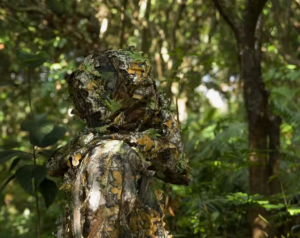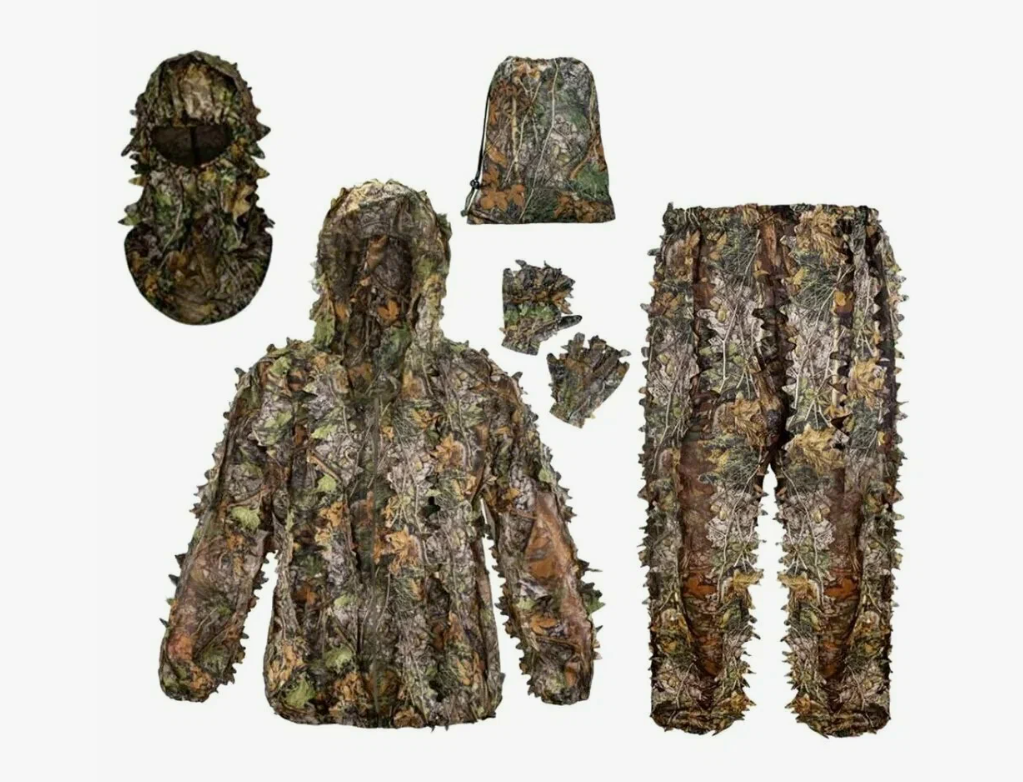
Choosing suitable camouflage clothing is an important part of preparing for hunting, wildlife observation, and other outdoor activities. A leafy suit camo design offers a textured appearance inspired by natural foliage, making it an appealing choice for people who spend time in woodland and vegetation-rich environments. Unlike conventional printed patterns, leafy designs incorporate foliage-shaped elements that add depth and visual variation to the garment. This construction can help break up the wearer’s outline when the colors and textures complement the surrounding landscape. However, selecting appropriate outdoor apparel involves more than appearance alone. Fabric quality, breathability, fit, durability, and freedom of movement all influence how comfortably a garment performs during extended outdoor use.
Today’s outdoor enthusiasts increasingly look for clothing that combines practical construction with an environment-appropriate design. A well-selected leafy suit camo outfit may appeal to hunters who need functional field clothing, wildlife photographers seeking comfortable coverage, and outdoor enthusiasts who value lightweight apparel. Experienced users may prioritize durability and quiet movement, while first-time buyers often need guidance on sizing, seasonal layering, and maintenance. Leafy Suits is a relevant option for customers exploring leafy-style camouflage apparel and comparing clothing for their outdoor activities. Understanding the features that matter most can help buyers evaluate available options confidently, avoid unsuitable purchases, and choose garments that meet their practical requirements.
Understanding the Purpose of Leafy Camouflage
Leafy camouflage clothing uses foliage-inspired shapes, layered elements, and natural color combinations to create a textured outer appearance. The additional texture distinguishes this design from conventional camouflage garments that rely mainly on printed color patterns. In woodland environments, combinations of green, brown, and muted earthy tones may complement surrounding vegetation, while other landscapes can require different color balances. The effectiveness of any design depends on lighting, background contrast, distance, and movement, so no single pattern is suitable for every outdoor setting. Buyers should consider the locations where they spend the most time and select clothing accordingly. They should also understand that camouflage is only one part of outdoor preparation. Appropriate footwear, weather protection, awareness of surroundings, and responsible behavior remain essential regardless of the garment’s design. Evaluating these factors helps customers choose apparel based on realistic expectations rather than appearance alone.
Why Quality Hunting Apparel Makes a Difference
Outdoor activities place different demands on clothing depending on the terrain, weather, and duration of use. Hunters may walk across uneven ground, crouch near vegetation, or remain stationary for extended periods, while wildlife photographers need sufficient flexibility to handle equipment comfortably. Clothing that restricts movement, traps excessive heat, or catches on branches can make these activities unnecessarily difficult. Quality construction helps address these challenges by supporting comfortable movement and repeated use. The garment should fit well over the clothing worn underneath without becoming too tight or excessively loose. Seasonal conditions also deserve attention because an outfit suitable for a warm afternoon may offer insufficient insulation during a cold morning. Instead of choosing hunting apparel solely for its visual design, buyers should assess how it fits into their complete outdoor clothing system. Considering comfort, durability, and environmental suitability makes it easier to select clothing that supports practical needs.
Important Features to Consider Before Purchasing
Before buying a leafy camouflage outfit, examine its materials, stitching, weight, ventilation, and overall construction. Lightweight fabrics can be beneficial in warm conditions, while reinforced seams may help garments withstand regular contact with branches and rough vegetation. Textured elements should create the intended visual effect without adding unnecessary bulk or interfering with movement. Practical details such as secure closures, functional pockets, and comfortable cuffs can also influence everyday usability. Fabric noise may matter during activities that require quiet movement, so buyers should consider material characteristics rather than assuming that every camouflage garment is equally quiet. Sizing is another important factor because restrictive clothing can limit mobility, whereas excessive looseness may increase the likelihood of snagging. Reviewing measurements, product specifications, and care instructions provides a more reliable basis for comparison than photographs alone. By evaluating these features together, customers can identify apparel that offers a sensible balance of comfort, functionality, and long-term value.
How to Choose the Right Leafy Suit Camo for Your Environment
Selecting the appropriate leafy suit camo begins with understanding the terrain and conditions in which it will be worn. Dense woodland, open grassland, mixed vegetation, and dry landscapes have different visual characteristics, so the best color combination depends on the surrounding environment. Leafy designs may suit woodland activities where layered textures complement leaves, branches, and natural shadows. Customers exploring Leafy Suits can compare available designs, garment configurations, and sizing details against their intended use. The fit should accommodate natural movements and any additional layers required for changing weather. Buyers planning long outdoor sessions should also consider weight, ventilation, and the convenience of carrying or storing the garment. For online purchases, carefully reviewing measurements and understanding the seller’s exchange policy can help reduce sizing uncertainty. Making a decision based on actual terrain, personal comfort, and garment construction is more practical than assuming that one camouflage style will work equally well in every setting.
Comfort, Breathability, and Freedom of Movement
Comfort becomes especially important during extended outdoor activities, when clothing must accommodate repeated movement and changing temperatures. Breathable materials can help manage heat and moisture, while lightweight construction may make an outfit easier to wear over several hours. However, a lightweight garment should still offer suitable durability for the conditions in which it will be used. The shoulders, elbows, knees, and waist deserve particular attention because these areas experience repeated movement during walking, bending, kneeling, and reaching. Layering also plays an important role in maintaining comfort. A suitable base layer can help manage moisture, while additional insulation or weather protection may be necessary during colder or wetter conditions. Buyers should not assume that a leafy outer garment automatically provides waterproofing, thermal insulation, or insect protection unless those features are specifically established. Trying the complete outfit with normal footwear and equipment before a long trip can reveal pressure points, restricted movement, or unnecessary bulk that might otherwise become distracting in the field.
Durability and Proper Maintenance of Camouflage Clothing
The long-term value of outdoor clothing depends partly on its ability to withstand regular use and remain easy to maintain. Repeated contact with branches, rough surfaces, damp vegetation, and carried equipment can place stress on fabric and seams. Buyers should inspect stitching, cuffs, attachment points, and areas likely to experience friction before making a purchase. Textured or layered designs may require additional care during washing, so following the manufacturer’s instructions is important. Removing dirt and plant debris after each outing helps keep the garment ready for future use, while allowing it to dry completely before storage helps prevent persistent moisture and odors. Loose stitching and small tears should be addressed promptly to reduce the risk of further damage. Users should also avoid assuming that camouflage clothing provides protection against severe weather simply because it is designed for outdoor activities. Choosing appropriate weather layers and maintaining the garment consistently can improve its usefulness and help customers obtain better value from their purchase.
Creating a Practical and Safe Outdoor Clothing Setup
A camouflage outfit should complement the rest of the user’s outdoor equipment rather than function as an isolated purchase. Appropriate footwear helps support movement across uneven ground, while moisture-managing base layers and weather-appropriate outerwear provide additional comfort. Gloves, neck coverings, and other accessories may provide extra coverage when they are compatible with the activity. Buyers should prioritize functionality and safety over matching every item perfectly. Gloves must allow sufficient dexterity, and face coverings should never interfere with breathing, hearing, or visibility. Backpacks and other equipment should fit comfortably over the clothing without creating excessive pressure or restricting movement. Hunters must also follow applicable regulations, remain aware of other people in the area, and wear required high-visibility clothing whenever necessary. A carefully planned outfit combines practical camouflage, comfortable layers, appropriate equipment, and responsible outdoor behavior. These considerations help users prepare for changing conditions while keeping safety central to every activity.
Conclusion
Choosing quality camouflage apparel requires careful consideration of pattern design, material quality, comfort, fit, durability, and environmental conditions. A leafy suit camo design can be a useful option for hunters and outdoor enthusiasts seeking textured clothing suited to appropriate natural surroundings. Before purchasing, compare sizing information, examine construction details, consider seasonal layering, and review maintenance requirements. Leafy Suits is worth considering when exploring leafy-style camouflage apparel, with the final choice guided by personal requirements and the suitability of available products. Ultimately, effective outdoor clothing should provide practical value rather than rely on appearance alone. By prioritizing informed selection, comfortable construction, responsible use, and proper care, outdoor enthusiasts can build a dependable clothing setup that supports their activities and prepares them for time spent in the field.