Exhaust System Repair
Your vehicle’s exhaust system does much more than control engine noise. It carries combustion gases away from the engine, supports emissions control, and helps maintain proper engine operation. Because the system is exposed to heat, moisture, road debris, and constant vibration, its components can eventually become damaged or worn.
A small exhaust leak or damaged pipe may initially seem like a minor inconvenience, but ignoring the problem can lead to louder operation, unpleasant odors, reduced performance, or additional damage. Professional Exhaust System Repair helps identify the source of the problem and restore the exhaust system to proper working condition.
Understanding Your Vehicle’s Exhaust System
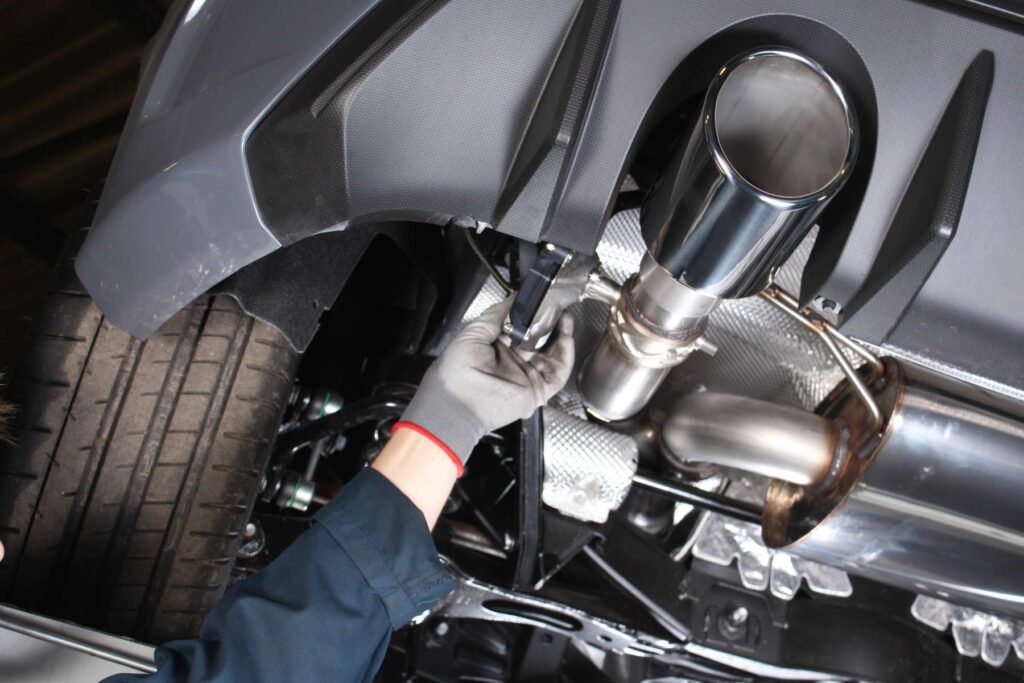
The exhaust system consists of several components that work together to move and manage combustion gases. Depending on the vehicle, the system can include the exhaust manifold, pipes, catalytic converter, oxygen sensors, resonator, muffler, exhaust hangers, gaskets, and tailpipe.
The exhaust manifold collects gases from the engine before they travel through the exhaust piping. The catalytic converter helps reduce certain harmful emissions, while the muffler controls exhaust noise before the gases leave through the tailpipe.
Because these components are connected, a problem in one area can sometimes affect the operation of another. A professional inspection can determine whether the issue is isolated or part of a larger exhaust-system problem.
Common Signs of Exhaust Problems
An exhaust problem may begin with a subtle change in the way your vehicle sounds. A louder engine note, deep rumbling, hissing, or rattling from underneath the vehicle can indicate damage to an exhaust component.
A sudden increase in exhaust noise may be caused by a cracked pipe, damaged muffler, loose connection, or failed gasket. Rattling can sometimes indicate a loose heat shield, exhaust hanger, or internal muffler component.
Unusual smells are another reason to have the system inspected. Exhaust gases should be directed safely away from the passenger compartment. If you notice exhaust odors inside the cabin, professional inspection should not be delayed.
Changes in fuel economy, engine performance, or dashboard warning lights can also be associated with exhaust-related problems.
Why Exhaust Leaks Need Prompt Attention
An exhaust leak can develop from corrosion, road impacts, damaged joints, failed gaskets, or prolonged exposure to heat and moisture. What starts as a small crack can gradually become a larger opening.
Professional exhaust system leak repair begins by locating the actual source of the leak. A technician may inspect pipes, connections, manifolds, gaskets, mufflers, and other components to determine where gases are escaping.
Repairing the problem early can help prevent further deterioration and restore proper exhaust flow. It can also reduce excessive noise and help keep exhaust gases moving through their intended path.
Professional Car Exhaust System Repair
When you need car exhaust system repair, the correct solution depends on the location and severity of the damage. A small damaged section may be repairable, while heavily corroded or structurally weakened components may require replacement.
A proper inspection should include more than looking at the muffler. Technicians may check the complete exhaust path, mounting points, connections, and related components.
This approach helps prevent a temporary repair from masking another problem further along the system. It also makes it easier to determine which components actually require attention.
Automotive Exhaust System Repair and Emissions
Modern vehicles use exhaust systems that are closely connected to emissions and engine management systems. Components such as catalytic converters and oxygen sensors can influence how the engine control system monitors combustion and emissions.
A malfunction involving these components can trigger a check engine light or affect vehicle performance. However, a warning code does not always mean that the related component itself needs replacement.
Professional automotive exhaust system repair involves diagnosing the underlying condition before recommending parts. Testing can help determine whether the problem involves a sensor, wiring, exhaust leak, catalytic converter, or another component.
Muffler Problems and Replacement
The muffler is responsible for reducing exhaust noise, making it one of the most noticeable exhaust components when something goes wrong.
Rust can create holes in the muffler housing, while internal deterioration can produce rattling sounds. In some cases, a damaged connection or pipe near the muffler may be responsible for the noise rather than the muffler itself.
A technician can inspect the component and determine whether repair or replacement is appropriate. Replacing a severely corroded muffler may provide a more dependable solution than repeatedly repairing small holes.
Exhaust Pipes, Hangers, and Connections
Exhaust pipes are exposed to road conditions and can develop rust or physical damage. They are also supported by hangers and brackets that keep the system securely positioned beneath the vehicle.
Broken hangers can allow the exhaust system to move excessively, leading to rattling, contact with other components, or additional stress on connections.
During auto exhaust system repair, technicians can inspect these mounting points along with the pipes and joints. Properly securing the exhaust is important because the system experiences constant vibration and thermal expansion as the vehicle operates.
Finding Exhaust System Repair Near You
Drivers often search for exhaust system repair near me after noticing unusual sounds, odors, or changes in vehicle performance. Choosing a repair facility with experience in exhaust diagnosis can make it easier to identify the actual cause of the problem.
A good repair shop should inspect the system carefully before recommending work. The technician should also explain whether the problem involves a single component or whether surrounding parts show signs of corrosion or wear.
This is especially important for older vehicles, where several exhaust components may have deteriorated at the same time.
What to Expect From Exhaust System Repair Services
Professional exhaust system repair services typically begin with an inspection based on the vehicle’s symptoms. The technician may listen for unusual sounds, examine the underside of the vehicle, inspect connections, and check for visible corrosion or damage.
Depending on the issue, repairs may involve replacing a muffler, repairing a pipe, installing a gasket, securing a hanger, replacing a damaged section, or addressing another exhaust component.
More complex problems involving emissions equipment may require diagnostic scanning and additional testing.
Maintaining Your Exhaust System
Regular vehicle inspections can help identify exhaust problems before they become severe. Pay attention to changes in sound, unusual odors, reduced performance, or visible rust beneath the vehicle.
It is also useful to have the exhaust system checked after significant impacts with potholes, curbs, or road debris. A strong impact can damage pipes, hangers, or other components even when the problem is not immediately obvious.
Routine inspection is particularly valuable for vehicles driven in conditions where moisture, road salt, or other corrosive materials are common.
Reliable Exhaust Systems Repair for Long-Term Performance
A properly functioning exhaust system contributes to quieter operation, appropriate exhaust flow, emissions control, and dependable vehicle performance. Problems such as leaks, damaged pipes, loose hangers, and failing mufflers should not be ignored.
Professional exhaust systems repair provides a structured way to identify damaged components and determine whether repair or replacement is needed. Whether you need Exhaust System Repair, car exhaust system repair, or auto repair exhaust services, accurate diagnosis is the foundation of a dependable solution.