Wheel Balancing Services
A smooth ride depends on more than properly inflated tires and good suspension components. When a wheel and tire assembly is not balanced correctly, even a well-maintained vehicle can develop vibrations, uneven tire wear, and uncomfortable driving conditions. Over time, these problems can also place additional stress on suspension and steering components.
Professional Wheel Balancing Services help correct uneven weight distribution around the wheel and tire assembly. Using specialized equipment, technicians can identify where the imbalance exists and add small balancing weights where necessary. This allows the wheel to rotate more evenly and helps restore a smoother driving experience.
What Is Wheel Balancing?
Wheel balancing is a service designed to correct differences in weight distribution around a tire and wheel assembly. Even when a tire and wheel appear perfectly round, their weight may not be distributed equally. A small imbalance can become more noticeable as the wheel spins faster.
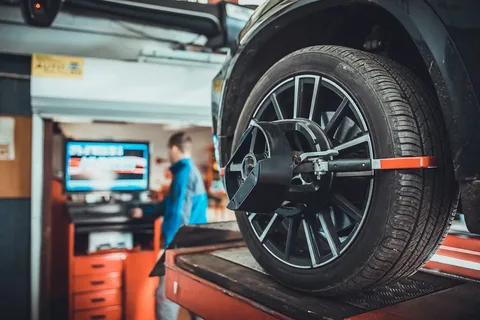
During a balancing service, a technician mounts the wheel and tire assembly on a balancing machine. The machine spins the assembly and identifies areas where additional weight may be required. The technician then installs the appropriate weights to bring the assembly into balance.
A proper wheel balancing service is different from wheel alignment. Alignment focuses on the angles and positioning of the wheels, while balancing focuses on the distribution of weight within each wheel and tire assembly. Both services can be important for maintaining comfortable handling and consistent tire performance.
Signs Your Wheels May Need Balancing
One of the most noticeable signs of an imbalance is vibration. You may feel shaking through the steering wheel, floor, or seat, particularly as vehicle speed increases. The exact location and intensity of the vibration can vary depending on which wheel is affected.
Uneven or unusual tire wear can also occur when a wheel and tire assembly is not balanced correctly. Although several mechanical problems can cause irregular tread wear, balancing should be considered when vibrations accompany the wear.
You may also notice that your vehicle feels less comfortable at highway speeds than it does during slower city driving. If the vibration becomes stronger as speed increases, having the wheels and tires inspected can help identify whether imbalance is contributing to the problem.
Drivers experiencing these symptoms often search for a wheel balancing service near me because a timely inspection may prevent a minor tire-related problem from becoming more complicated.
Why Proper Wheel Balancing Matters
Balanced wheels allow the tire and wheel assembly to rotate more consistently. This can improve ride comfort and reduce unwanted vibration throughout the vehicle.
When an imbalance is left untreated, the repeated vibration can place additional stress on certain steering, suspension, and wheel components. It may also contribute to irregular tire wear, reducing the amount of usable tread you get from your tires.
Proper balancing is especially important when installing new tires. A new tire should be balanced when it is mounted to a wheel so the assembly can perform as intended.
Regular inspections can also be useful when tires are rotated, repaired, or removed from the vehicle for other maintenance work.
The Process Behind Automotive Wheel Balancing
Modern Automotive Wheel Balancing equipment allows technicians to measure the balance of each wheel and tire assembly accurately. After removing the wheel, the technician mounts it onto a balancing machine and spins it to measure variations in weight distribution.
The machine identifies where weight needs to be added or adjusted. Small weights are then attached to specific areas of the wheel. The assembly may be tested again to confirm that the imbalance has been corrected.
Before balancing, technicians should also inspect the tire and wheel for visible problems. A damaged wheel, improperly seated tire, separated tread, or other defect may need to be addressed before balancing can provide the expected result.
When Should You Get Wheel Balancing?
Wheel balancing is commonly performed when new tires are installed, but there are other situations when it may be appropriate.
If you have recently hit a pothole or curb, the impact may have affected the wheel or tire. Losing a balancing weight can also change the balance of the assembly. In addition, repairs involving tire removal can sometimes require the assembly to be balanced again.
A new vibration should not be ignored simply because the vehicle still drives. A professional inspection can determine whether the issue comes from wheel balance, tire condition, alignment, suspension components, or another mechanical cause.
Auto Wheel Balancing for Better Ride Quality
Auto wheel balancing is an important part of tire maintenance because tires rotate thousands of times during a typical drive. Even a relatively small imbalance can become noticeable as rotational speed increases.
Proper balancing helps reduce unwanted vibration and allows the tire to rotate more smoothly. This is particularly valuable for drivers who spend considerable time on highways, where higher speeds can make wheel imbalance much easier to feel.
Balancing also works alongside other tire services. Proper inflation, regular rotation, correct alignment, and routine inspections all contribute to better tire performance and longer service life.
Professional Wheel Balancing for Different Vehicles
Different vehicles use different wheel and tire sizes, designs, and specifications. A quality Professional Wheel Balancing service should take these differences into account rather than treating every vehicle exactly the same.
Technicians should use appropriate equipment and balancing methods for the vehicle and wheel being serviced. They should also check whether the wheel is properly mounted on the balancing machine because incorrect mounting can affect measurement accuracy.
If a vehicle continues to vibrate after balancing, further diagnosis may be necessary. The problem could involve a bent wheel, damaged tire, worn suspension component, alignment issue, or another mechanical condition.
Understanding Wheel Balancing Cost
The wheel balancing cost can vary depending on the vehicle, wheel size, tire type, location, and the number of wheels being serviced. Some shops charge per wheel, while others offer balancing as part of a tire installation or maintenance package.
Additional costs may apply if the technician discovers a damaged wheel or tire that requires repair or replacement. For this reason, it is useful to ask what the quoted service includes before the work begins.
Choosing a qualified shop based only on the lowest price may not provide the complete picture. Proper equipment, accurate measurements, experienced technicians, and a thorough inspection all contribute to the quality of the service.
Fast Wheel Balancing Without Skipping the Inspection
Many drivers need Fast Wheel Balancing Services because wheel vibrations can make daily driving uncomfortable. Efficient service is valuable, but speed should not come at the expense of proper inspection.
A professional technician should take enough time to inspect the tire and wheel, identify the imbalance, install the appropriate weights, and verify the final result. If another problem is found during the inspection, the technician should explain it before recommending additional work.
Fast service is most useful when it combines efficiency with careful workmanship rather than simply rushing through the balancing process.
Keep Your Wheels and Tires Performing Properly
Wheel balancing is a relatively straightforward maintenance service, but its effect on driving comfort can be significant. Smooth wheel rotation helps reduce vibration, supports even tire wear, and can contribute to a more comfortable driving experience.
If you notice steering wheel vibration, shaking at higher speeds, unusual tire wear, or a change in ride quality, consider having your wheels and tires inspected. Professional wheel balancing services can identify and correct weight distribution problems before they lead to additional concerns.