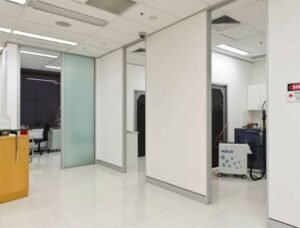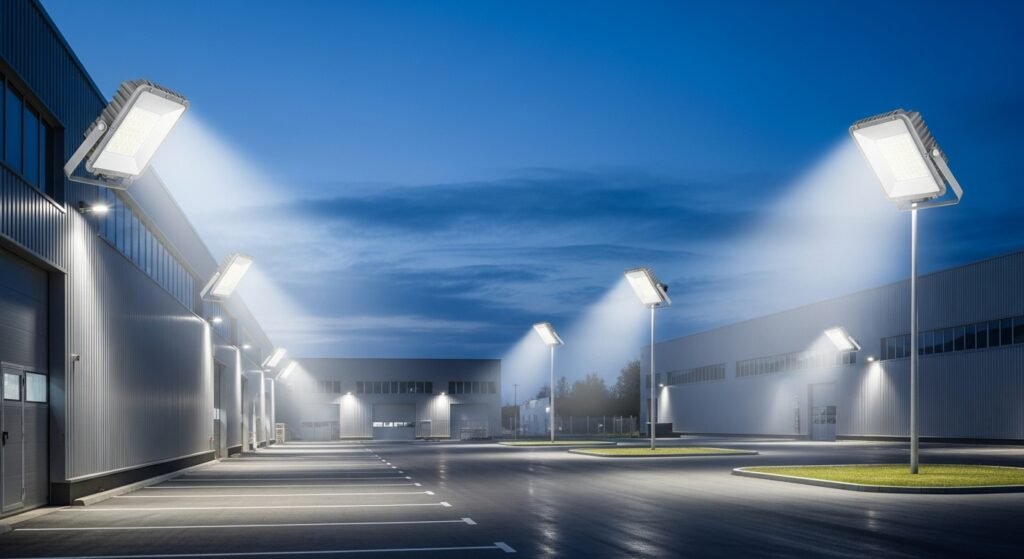
LED lights have become a popular choice for homes, offices, commercial buildings, outdoor areas, warehouses, and industrial facilities. Their combination of energy efficiency, long service life, strong illumination, and flexible designs makes them suitable for many different lighting requirements.
Unlike traditional lighting technologies, LED lights use light-emitting diodes to produce illumination. This technology allows them to deliver bright and consistent light while generally consuming less electricity. As energy costs continue to matter for both households and businesses, choosing efficient lighting can help reduce unnecessary power consumption.
What Are LED Lights?
LED stands for Light Emitting Diode. An LED produces light when an electrical current passes through a semiconductor material. This process is different from traditional incandescent bulbs, which generate light by heating a filament.
LED lighting is available in many forms, including bulbs, tubes, panels, flood lights, wall packs, high bay lights, canopy lights, street lights, and decorative fixtures. Each type is designed for a particular environment and lighting requirement.
Because LED technology is highly adaptable, it can be used for everything from a small bedroom to a large warehouse or outdoor parking area.
Major Benefits of LED Lighting
Energy Efficiency
One of the biggest advantages of LED lighting is energy efficiency. LEDs can provide substantial illumination while using relatively little electricity compared with many conventional lighting options.
For businesses with large facilities and many fixtures, reducing electricity consumption can make a meaningful difference in operating expenses. Homes can also benefit from lower lighting energy usage when inefficient bulbs are replaced with suitable LED alternatives.
Long Service Life
LED fixtures are designed to operate for long periods. Their extended lifespan can reduce the frequency of replacements, which is particularly useful in locations where changing lights is difficult or time-consuming.
For commercial buildings, warehouses, parking areas, and industrial spaces, long-lasting lighting can reduce maintenance requirements and interruptions.
Bright and Consistent Illumination
LED lights are available in different brightness levels, color temperatures, beam angles, and designs. This makes it easier to select lighting according to the space.
Cooler white light may work well in workplaces and industrial environments, while warmer light can create a more comfortable atmosphere in residential areas. Outdoor fixtures can provide focused illumination across parking lots, walkways, entrances, and building exteriors.
Low Maintenance
Because LED lights generally have a long operating life, they can require less frequent replacement than traditional bulbs. This can be especially valuable for commercial and industrial applications where maintenance teams need to manage large numbers of fixtures.
Reduced maintenance can also help organizations spend less time and labor on routine lighting replacements.
Popular Types of LED Lights
Different spaces require different lighting solutions. Understanding the major LED categories can help when selecting the right fixture.
LED Bulbs
LED bulbs are commonly used in homes, offices, shops, and other indoor areas. They are available in various shapes, wattages, brightness levels, and color temperatures.
LED Panel Lights
LED panel lights provide broad and even illumination. They are frequently used in offices, classrooms, retail spaces, hospitals, and other areas where uniform indoor lighting is important.
LED Flood Lights
LED flood lights are designed to illuminate large outdoor or indoor areas. They can be used around buildings, sports facilities, construction areas, yards, parking spaces, and security zones.
LED High Bay Lights
High bay LED lights are suitable for spaces with high ceilings. Warehouses, factories, workshops, distribution centers, and industrial facilities often require powerful overhead illumination, making high bay fixtures a practical choice.
LED Wall Pack Lights
Wall pack fixtures are commonly installed on the exterior walls of commercial and industrial buildings. They can illuminate entrances, walkways, loading areas, and building surroundings.
LED Canopy Lights
Canopy LED lights are designed for covered outdoor spaces such as parking garages, fuel stations, building entrances, and covered walkways. Their construction and mounting options make them useful where reliable overhead illumination is needed.
LED Shoebox Lights
LED shoebox lights are commonly used for parking lots, streets, pathways, campuses, and outdoor commercial areas. They can provide wide-area illumination while helping reduce energy consumption.
Choosing the Right LED Light
Selecting an LED fixture should involve more than simply choosing the highest wattage. Several factors can affect lighting performance.
First, consider the size and purpose of the space. A small room will have different requirements from a warehouse or parking lot. The mounting height and desired coverage area should also be considered.
Lumens are another important specification. Lumens indicate the amount of visible light produced by a fixture. A higher lumen rating generally means more light output, although the ideal amount depends on the application.
Color temperature is also important. LED lights are commonly available in warm, neutral, and cool white options. The appropriate choice depends on the atmosphere and visibility requirements of the location.
Beam angle matters when selecting directional fixtures. A narrow beam can concentrate light in a particular area, while a wider beam can provide broader coverage.
LED Lighting for Homes
LED lights can be used throughout a home, including bedrooms, kitchens, living rooms, bathrooms, garages, and outdoor areas. Their wide range of designs allows homeowners to combine practical illumination with modern aesthetics.
For general room lighting, LED bulbs and panel fixtures can provide comfortable illumination. Outdoor LED fixtures can improve visibility around entrances, driveways, gardens, and pathways.
LED Lighting for Businesses
Businesses often require dependable lighting throughout working hours. Offices, stores, restaurants, warehouses, workshops, and industrial facilities can all benefit from properly selected LED fixtures.
Good lighting can improve visibility and create a more functional environment for employees and customers. In large facilities, energy-efficient lighting can also contribute to better control over operating expenses.
Outdoor LED Lighting
Outdoor lighting must withstand environmental conditions while providing reliable illumination. LED flood lights, wall packs, shoebox fixtures, street lights, and canopy lights are commonly used for outdoor applications.
When selecting outdoor LED lighting, consider weather resistance, mounting position, operating conditions, brightness, coverage, and fixture construction.
Why LED Technology Continues to Grow
The popularity of LED lighting continues to increase because it combines efficiency, durability, flexibility, and modern design options. Manufacturers continue to develop fixtures with improved optical performance, better heat management, smart controls, and more specialized applications.
LED systems can also be combined with sensors, timers, dimmers, and smart controls. These features can provide greater control over when and how lighting operates.
Final Thoughts
LED lights offer a practical lighting solution for residential, commercial, outdoor, and industrial environments. Their energy efficiency, long operating life, wide variety of designs, and adaptable performance make them suitable for many applications.
Whether the requirement is a simple household bulb, an office panel, a warehouse high bay, an outdoor flood light, or a parking lot shoebox fixture, choosing the right LED light starts with understanding the space and its lighting needs.
By considering brightness, color temperature, beam angle, mounting height, environmental conditions, and intended use, buyers can select lighting that provides dependable illumination and efficient performance for years to come.