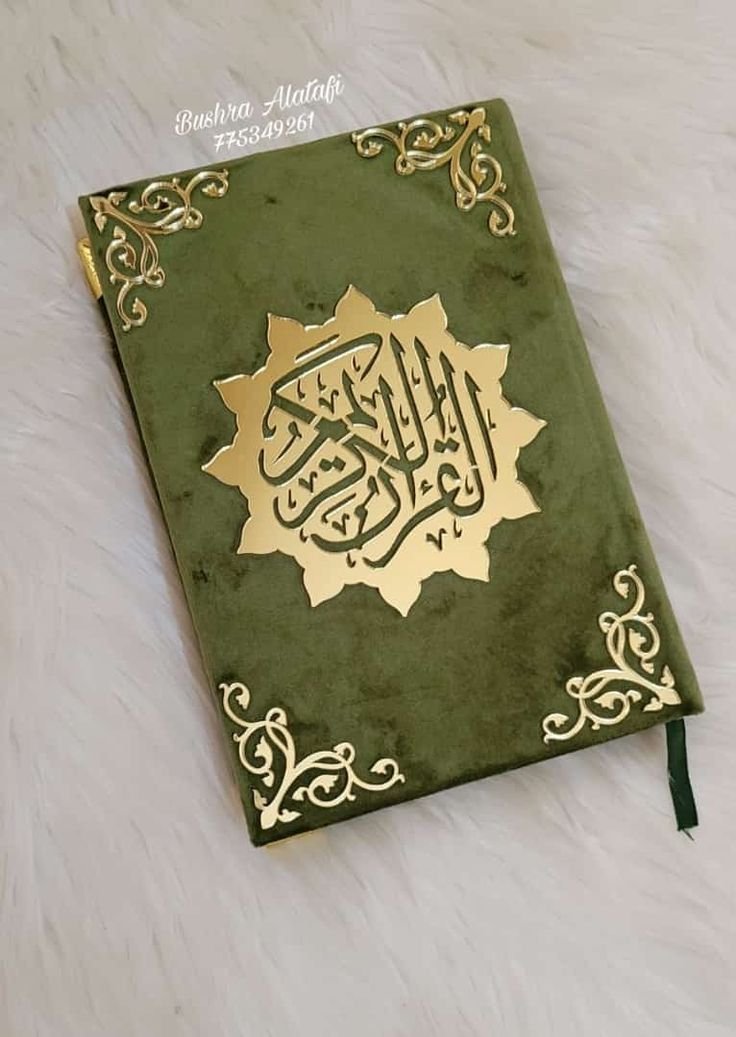
Two things matter most when you’re shopping for a gift under time pressure: knowing what you’re buying is actually good, and knowing it will arrive when you need it. Miss either one, and even a thoughtful gift idea falls apart — either the book turns out to be a poorly translated knockoff, or it shows up a week after the occasion has already passed. For anyone shopping for Islamic gift books, especially online, authenticity and delivery speed aren’t small details. They’re the difference between a gift that lands well and one that quietly disappoints.
Why Authenticity Deserves More Attention Than Most Buyers Give It
It’s easy to assume that any book with the right title and cover is essentially the same as any other version of it. In reality, Islamic literature — especially translated works — varies significantly depending on who produced the edition. A translation done carelessly can distort meaning, oversimplify complex ideas, or introduce errors that a careful reader will notice immediately. For a gift meant to reflect thought and care, an unreliable edition undermines the entire purpose.
Authenticity also extends to authorship itself. Some markets see reprints or loosely adapted versions of well-known titles circulating without clear sourcing, which can leave buyers uncertain whether they’re getting a faithful edition or a diluted one. Buying from a publisher or seller that clearly identifies the original author, translator, and source material removes this uncertainty and gives the gift-giver real confidence in what they’re handing over.
For readers of Urdu Islamic literature in particular, this matters even more. Writers like Syed Abul Ala Maududi and Khurram Murad wrote with precision, and a poor translation can flatten that precision into something far less compelling. Choosing editions clearly tied to trusted, well-documented sources protects the integrity of the original work — and by extension, the value of the gift itself.
What to Check Before Buying
A few quick checks before placing an order help confirm you’re getting an authentic, well-produced title.
Look for clear author and translator credits. A trustworthy listing names both the original author and, where relevant, the translator, rather than leaving this information vague or absent.
Read a portion of the description or preview, if available. Even a short excerpt can reveal whether the language flows naturally or feels stilted, which often signals the overall quality of the translation.
Check the publisher’s reputation. Established Islamic publishers with a long catalog and consistent quality standards are generally more reliable than unfamiliar sellers offering suspiciously low prices on well-known titles.
Notice print and binding quality in product photos. While this won’t guarantee content accuracy, poor production values often correlate with a lack of overall care in how the book was put together.
Why Fast Delivery Matters More Than It Seems
Gift-giving rarely happens with unlimited lead time. Eid arrives on a fixed date. A wedding has a set day. A birthday doesn’t move to accommodate a delayed shipment. When a gift depends on timing, delivery speed becomes just as important as the book itself — a perfect title that arrives too late has effectively failed at its one job.
This becomes especially true during high-demand periods. Ramadan and the weeks leading up to Eid see a significant spike in gift purchases, which can strain delivery timelines across the board. Buyers who wait until the last few days before a celebration to place an order often find themselves choosing between rushed, more expensive shipping or the very real risk of the gift arriving after the moment has passed.
How to Avoid Delivery Disappointment
A little planning goes a long way in avoiding the stress of a late gift.
Order earlier than feels necessary. Building in a buffer of several days beyond the stated delivery window protects against unexpected delays, especially during peak seasons.
Check estimated delivery times before finalizing an order, rather than assuming standard shipping windows apply during busier periods. Many sellers adjust these estimates around major occasions, and it’s worth confirming rather than guessing.
Track the order after purchase. Knowing where a shipment stands gives you time to plan alternatives if something looks delayed, rather than being caught off guard on the day of the event.
Consider ordering slightly ahead of the occasion itself, especially for gifts tied to a specific date. Having the book in hand a few days early is far less stressful than hoping it arrives just in time.
Balancing Authenticity and Convenience
It might seem like authenticity and fast delivery pull in different directions — that a more carefully sourced, higher-quality edition must come with a slower, more complicated buying process. In practice, this isn’t usually the case. Established Islamic bookstores with strong reputations tend to combine both, since maintaining quality and reliable logistics go hand in hand with building long-term customer trust. A seller that cuts corners on one is often cutting corners on the other as well.
This is why choosing a reputable source matters as much as choosing the right title. A well-run Islamic bookstore, whether physical or online, tends to get both parts right: authentic editions that honor the original work, and delivery systems reliable enough to get that book into your hands when you actually need it.
Final Thoughts
A meaningful gift depends on more than good intentions. It depends on the details working out — the right edition, faithfully produced, arriving at the right time. When you’re shopping for Islamic gift books, taking a few extra minutes to verify authenticity and confirm delivery timelines isn’t excessive caution; it’s simply what ensures the gift actually delivers on its promise, both in content and in timing.