What if the season you choose for your yoga teacher training course could influence your comfort, energy, learning experience, and overall transformation?
Choosing a yoga teacher training course is a major step for anyone who wants to deepen their personal practice, become a certified yoga teacher, or experience yoga in a peaceful environment. While the curriculum, teachers, duration, and certification are important, the season in which you attend your training can also make a meaningful difference.
For students considering yoga teacher training in Nepal, seasonal conditions can shape everything from outdoor meditation and yoga practice to trekking opportunities and relaxation time. Summer and winter each offer distinct advantages, and understanding those differences can help you select a program that matches your goals.
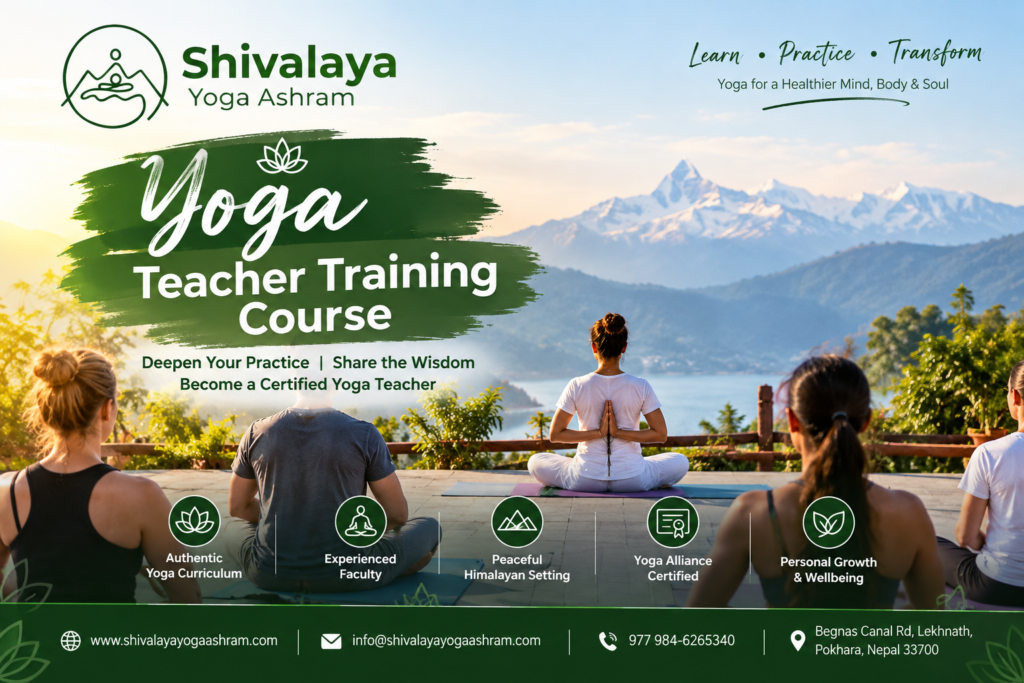
At Shivalaya Yoga Ashram in Pokhara, Nepal, students can experience traditional yoga practices in a serene setting surrounded by the natural beauty of the Himalayas and Begnas Lake. Whether you prefer the energetic atmosphere of warmer months or the peaceful stillness of winter, the right yoga teacher training experience can support both personal growth and professional development.
What Is a Yoga Teacher Training Course?
A yoga teacher training course is a structured educational program designed to develop a student’s knowledge and practical skills in yoga. It typically combines physical practice with the study of yoga philosophy, anatomy, teaching methodology, meditation, pranayama, and other traditional practices.
A comprehensive program may include:
- Asana and alignment
- Pranayama and breath awareness
- Meditation techniques
- Yoga philosophy
- Anatomy and physiology
- Teaching methodology
- Sequencing and class planning
- Sanskrit terminology
- Ethics of yoga teaching
- Practical teaching sessions
- Relaxation and mindfulness practices
For beginners, teacher training can provide a structured introduction to yoga. For experienced practitioners, it can offer an opportunity to refine their understanding and develop the confidence needed to guide others.
Why Does the Season Matter for Yoga Teacher Training?
Yoga teacher training requires concentration, physical participation, reflection, and consistency. The surrounding environment can influence how comfortable and focused you feel during the program.
Seasonal differences can affect:
- Temperature and humidity
- Energy levels
- Outdoor practice
- Travel conditions
- Trekking and sightseeing opportunities
- Clothing requirements
- Personal comfort
- Opportunities for meditation in nature
This does not mean that one season is universally better than another. Instead, the best time depends on your individual preferences and what you want from your training experience.
Summer Yoga Teacher Training: What to Expect
Summer can be an attractive time for students who enjoy warmer weather, longer days, and outdoor activities.
In destinations such as Pokhara, Nepal, summer provides opportunities to connect with the natural surroundings while maintaining a regular yoga routine. Students may enjoy meditation, relaxation, and mindful walks when weather conditions permit.
Benefits of Summer Training
A summer yoga teacher training course may appeal to students who enjoy:
- Warmer temperatures
- Longer daylight hours
- Outdoor activities
- Nature exploration
- A lively atmosphere
- Combining yoga with travel
The warmer climate can also make some students feel more physically comfortable during movement-based practices, although individual tolerance for heat varies.
Things to Consider
Summer weather can also bring challenges. Depending on the location and month, students may experience heat, humidity, or rainfall.
Before booking, consider:
- Average temperatures
- Rainfall patterns
- Accommodation facilities
- Indoor and outdoor practice spaces
- Travel conditions
- Your personal tolerance for heat
Being prepared allows you to focus more fully on your training rather than worrying about the weather.
Winter Yoga Teacher Training: A Different Kind of Experience
Winter offers a contrasting atmosphere. Cooler temperatures, quieter surroundings, and shorter days can encourage students to turn inward.
For many practitioners, this creates an ideal environment for meditation, self-reflection, and deeper study.
A winter yoga teacher training course can be especially appealing if your goal is to disconnect from distractions and spend more time developing your inner practice.
Benefits of Winter Training
Winter training may provide:
- A peaceful atmosphere
- Cooler practice conditions
- More opportunities for introspection
- A slower, quieter rhythm
- A strong environment for meditation
- A memorable Himalayan experience
Students who prefer cooler weather may find it easier to remain comfortable during longer classes and meditation sessions.
Preparing for Cold Weather
If you choose winter training, preparation is important. Pack suitable layers, warm clothing, comfortable socks, and other personal essentials.
A comfortable student is better able to concentrate on learning, practice, and self-development.
Summer vs. Winter Yoga Training: Which Is Better?
There is no universal answer. The better season depends on your priorities.
| Factor | Summer | Winter |
|---|---|---|
| Weather | Warmer | Cooler |
| Outdoor activities | Often appealing | More weather-dependent |
| Meditation atmosphere | Fresh and energetic | Quiet and introspective |
| Daylight | Longer | Shorter |
| Clothing | Light layers | Warm layers |
| Nature experience | Green and vibrant | Calm and peaceful |
| Ideal for | Active explorers | Students seeking stillness |
If you enjoy outdoor exploration and warmer conditions, summer may be a strong option. If you prefer peaceful surroundings and cooler temperatures, winter may suit you better.
Choosing the Right Yoga Teacher Training Course
Season should not be the only factor in your decision. The quality and structure of the program matter considerably more.
Before enrolling, investigate the following areas.
1. Course Curriculum
Look for a curriculum that goes beyond physical postures.
A well-rounded program should introduce you to practical, theoretical, and traditional dimensions of yoga.
Check whether the course includes:
- Asana
- Pranayama
- Meditation
- Yoga philosophy
- Anatomy
- Teaching methodology
- Practical teaching
- Yogic lifestyle
2. Teachers and Teaching Approach
Experienced teachers can make a significant difference in your learning experience.
Research the instructors and understand their teaching philosophy. Look for educators who can explain concepts clearly and provide appropriate guidance for students with different experience levels.
3. Location and Environment
The training environment should support concentration and wellbeing.
A peaceful setting away from excessive urban distractions can make it easier to establish a consistent routine.
Pokhara is particularly attractive to yoga students because it combines a tranquil natural environment with access to Nepal’s rich cultural and spiritual traditions.
4. Course Duration
Yoga teacher training programs are available in different formats and durations.
Common options include intensive short-term programs as well as longer teacher training courses. Choose according to your previous experience, available time, learning objectives, and desired depth of study.
5. Practical Teaching Experience
Reading about teaching yoga is not the same as actually teaching.
Look for a course that gives students opportunities to:
- Lead practice sessions
- Develop class sequences
- Receive teacher feedback
- Practice verbal instructions
- Work on alignment and modifications
- Build confidence
Practical experience can be one of the most valuable parts of teacher training.
Yoga Teacher Training in Pokhara, Nepal
Pokhara is known for its peaceful lakes, mountain scenery, and natural surroundings, making it an appealing destination for yoga and meditation.
At Shivalaya Yoga Ashram, students can combine structured yoga education with the calm atmosphere of the Pokhara region. The ashram’s setting near Begnas Lake provides an environment where students can step away from everyday distractions and dedicate time to practice and study.
The experience can be particularly meaningful for students who want their teacher training to be more than a classroom-based qualification.
Why Consider Nepal for Yoga Teacher Training?
Nepal offers an opportunity to study yoga while experiencing a culture deeply connected with spirituality, meditation, and Himalayan traditions.
Students may also have opportunities to experience:
- Himalayan landscapes
- Peaceful lakeside environments
- Meditation
- Traditional yogic practices
- Local culture
- Nature walks
- Spiritual exploration
The destination itself can become part of the learning journey.
How to Prepare for Your Yoga Teacher Training Course
Preparation can make your training more comfortable and productive.
Before You Travel
Research the following:
- Course syllabus
- Daily schedule
- Accommodation
- Meals
- Weather
- Travel requirements
- What equipment is provided
- What you need to bring
Develop a Consistent Yoga Practice
You do not necessarily need to be an advanced practitioner to begin teacher training. However, developing basic consistency before arrival can help.
Try establishing a simple routine that includes:
- Daily asana practice
- Basic pranayama
- Short meditation
- Mindful breathing
- Regular sleep
Even 15–30 minutes of consistent practice can help you become familiar with maintaining a routine.
What Can You Expect During Training?
A typical day may combine physical practice, academic study, meditation, and rest.
Depending on the program, a schedule may include:
Morning: Meditation, pranayama, and yoga practice
Daytime: Philosophy, anatomy, teaching methodology, and practical sessions
Evening: Restorative practice, meditation, reflection, or discussion
The exact schedule varies between schools and programs, so prospective students should always review the official course details before enrolling.
Yoga Teacher Training Is More Than Learning Poses
One common misconception is that becoming a yoga teacher simply means learning how to demonstrate advanced postures.
In reality, teaching yoga involves communication, observation, sequencing, empathy, discipline, and an understanding of individual student needs.
A good teacher learns to ask:
- How can I make this practice accessible?
- How can I explain the posture clearly?
- What modifications might a student need?
- How can breath support movement?
- How can I create a safe and welcoming class?
These skills develop through study, observation, practice, and teaching experience.
Who Is a Yoga Teacher Training Course For?
A yoga teacher training course can be suitable for several types of students.
Beginners
Beginners who are committed to learning can use structured training to build a strong foundation.
Experienced Yoga Practitioners
Experienced practitioners may want to deepen their understanding of philosophy, anatomy, meditation, and teaching methodology.
Aspiring Yoga Teachers
Those planning to teach professionally can gain structured knowledge and practical teaching experience.
Wellness Professionals
Meditation teachers, fitness professionals, wellness practitioners, and complementary health professionals may also find yoga education valuable when it aligns with their professional goals.
Final Thoughts
Choosing a yoga teacher training course is about more than selecting a destination or completing a certification. It is an opportunity to deepen your practice, understand the philosophy behind yoga, develop teaching skills, and create a more disciplined relationship with yourself.
The season can shape the atmosphere of your experience. Summer may bring warmth, longer days, and opportunities for outdoor exploration, while winter can offer a quieter environment for reflection and meditation. The most important step is to choose a program whose curriculum, teachers, location, practical training, and philosophy match your personal goals.
If you are looking for a peaceful environment to study yoga, deepen your practice, and experience the natural beauty of Nepal, Shivalaya Yoga Ashram in Pokhara offers an inspiring setting for your journey.
Ready to take the next step? Explore the yoga teacher training opportunities at Shivalaya Yoga Ashram and begin planning your transformative yoga journey in Nepal.
Frequently Asked Questions
Is a yoga teacher training course suitable for beginners?
Yes. Some teacher training programs accept beginners, although requirements vary. Check the school’s prerequisites before enrolling.
How long does yoga teacher training take?
The duration varies considerably by program. Some courses are intensive, while others are designed over a longer period. Review the specific curriculum and schedule before making a decision.
Is summer or winter better for yoga teacher training?
Neither season is automatically better. Summer may suit students who enjoy warmer weather and outdoor activities, while winter can appeal to those seeking cooler temperatures and a quieter atmosphere.
Can I do yoga teacher training in Nepal?
Yes. Nepal is an established destination for yoga, meditation, spiritual study, and wellness experiences. Programs are available in several locations, including the Pokhara region.
Do I need advanced yoga experience?
Not necessarily. Requirements differ between schools. A basic understanding of yoga and a willingness to learn are often more important than performing advanced postures.