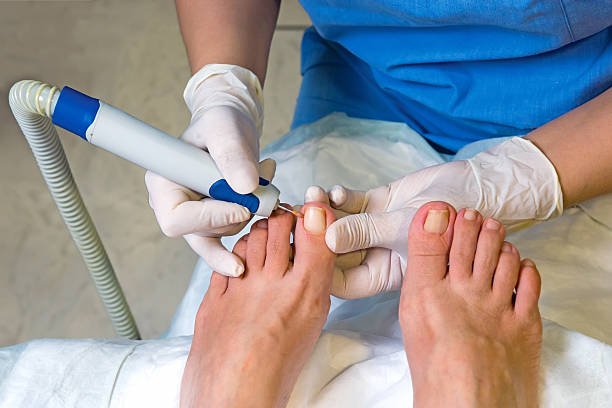
Foot pain has a funny way of getting pushed aside. You tell yourself it will settle down, you change your shoes, maybe rest for a few days, and then life gets busy again. Before long, the pain is still there. That’s where treatments such as laser treatment in Townsville may come into the conversation. But is laser actually right for you? The honest answer is, it depends. Laser therapy can be useful for some foot and soft-tissue problems, but it isn’t a magic fix for every ache, swelling, or stubborn injury. Getting the cause of the problem right comes first.
What Is Laser Treatment for Foot Problems?
Laser treatment, sometimes called low-level laser therapy or photobiomodulation, uses specific wavelengths of light applied to an affected area. The idea is to support the body’s natural healing response and potentially reduce pain and inflammation. It’s a non-invasive option, which is a big reason some people are interested in it. There are no incisions and generally no lengthy recovery period. You simply have the treatment applied to the problem area while sitting or lying comfortably. Sounds simple, and it usually is. Still, simple doesn’t mean suitable for everyone, and the type of laser, treatment settings and condition being treated all matter.
Which Foot Conditions May Benefit?
Laser therapy may be considered for several types of foot and lower-limb problems. Plantar fasciitis is one example, particularly when heel pain has been hanging around despite basic measures such as stretching, footwear changes and activity modification. Some people may also be considered for laser treatment when dealing with soft-tissue injuries, tendon problems or certain forms of joint and muscle pain. The evidence can vary depending on the condition, so it’s worth being a little cautious about big promises. If someone tells you laser will definitely fix your foot in a couple of sessions, that’s a red flag. Treatment should be based on your actual problem, not a sales pitch.
Why Getting a Proper Assessment Matters
This is the part people sometimes skip. They search online, decide they have plantar fasciitis, then look straight for a treatment. But heel pain can come from several different things, and not all of them should be managed the same way. A detailed assessment can look at your walking pattern, footwear, activity levels, strength, flexibility and where exactly the pain is coming from. There may also be an underlying issue that needs more attention. Laser might form part of the treatment plan, but it may not be the main thing. Sometimes changing the load on the foot, improving calf flexibility or using appropriate support makes a bigger difference.
What Can You Expect During Treatment?
One appealing thing about laser therapy is that treatment is generally straightforward. The device is positioned over the affected area, and the light is delivered for a set amount of time. Most people don’t find it particularly uncomfortable. In fact, some barely feel anything during the session. The number of treatments needed can vary, because healing isn’t identical for everybody. Your practitioner may recommend a course of sessions alongside other measures rather than relying on laser alone. And yes, patience can be needed. Foot problems that have been building for months rarely disappear overnight just because you started a new treatment last Tuesday.
Laser Therapy Should Not Be a Standalone Fix
There’s a tendency with newer treatments to think the treatment itself is the whole answer. It usually isn’t. If you keep doing the thing that aggravated your foot in the first place, pain can return even if laser therapy gives you some relief. A broader approach might involve exercise, stretching, footwear changes, activity adjustments or orthotic support where appropriate. For athletes, it could also mean looking at training loads and recovery. For someone who spends all day standing, the approach may be quite different. The point is to treat the person and the problem, not just chase the painful spot.
When Should You Talk to a Podiatrist?
If foot pain keeps coming back, gets worse, changes the way you walk or starts interfering with ordinary activities, it’s probably time to get it checked. Seeing a podiatrist in Townsville QLD can help you work out what’s actually causing the symptoms and whether laser therapy makes sense for your situation. A podiatrist can assess the foot and lower limb, discuss your symptoms and explain realistic treatment options. They can also tell you when laser isn’t appropriate and another approach would be more useful. That’s important. Good treatment isn’t about choosing the most impressive-sounding option. It’s about choosing the right one.
Is Laser Treatment Right for You?
So, is laser treatment worth considering? It can be, particularly when it forms part of a sensible treatment plan for an appropriate condition. But it shouldn’t be viewed as a cure-all. Your symptoms, diagnosis, health history and everyday activities all have a say in whether it’s worthwhile. The best approach is to get an assessment first, ask what the treatment is expected to achieve, and understand what else you may need to do alongside it. Don’t be afraid to ask questions either. If you’re paying for treatment, you deserve to know why you’re having it.
Conclusion
Laser therapy has a place in modern foot care, but it works best when used for the right reason. It can offer a non-invasive way to help manage pain and support recovery for certain conditions, but results can differ from person to person. If your foot has been bothering you for a while, guessing usually isn’t the smartest move. Get the problem assessed, understand your options, and then decide whether laser belongs in the plan. Sometimes it will. Sometimes something else will work better. Either way, getting the diagnosis right is the first step toward actually getting back on your feet.