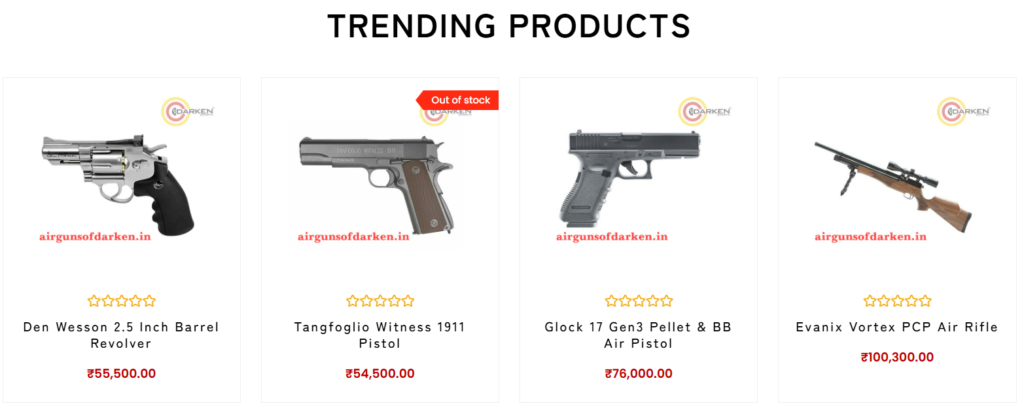
Air pistols have become a popular choice among recreational shooters, target-shooting enthusiasts, and beginners looking to develop their shooting skills. Unlike conventional firearms, these sporting devices use compressed air, gas, or spring-powered mechanisms to propel pellets. Their relatively compact design makes them convenient for controlled shooting environments where permitted. Choosing the right model, however, requires an understanding of different mechanisms, build quality, accuracy, intended use, and responsible handling.
For beginners, selecting suitable Air Pistols can make a significant difference in the overall shooting experience. A well-matched pistol can provide comfortable handling, consistent performance, and an opportunity to practice fundamental shooting techniques. Whether the goal is recreational target practice or developing better shooting discipline, understanding the available options is an important first step.
Understanding How Air Pistols Work
Air Pistols operate by using stored energy to propel a pellet through the barrel. Depending on the design, this energy can come from a spring mechanism, compressed air, or a CO2 cartridge. Each operating system provides a different shooting experience and has its own characteristics that users should consider before purchasing.
Spring-powered models generally use a mechanical spring and piston system. They are often straightforward in design and can be suitable for shooters who prefer a traditional mechanism. CO2-powered models use cartridges containing compressed carbon dioxide, providing convenient operation and making them popular for recreational shooting. PCP, or pre-charged pneumatic, models use compressed air stored in a reservoir and are commonly associated with consistent performance and refined target-shooting applications.
Different Types Available for Shooters
The variety of Air Pistols available today allows buyers to select equipment according to their experience level and intended application. Spring-powered pistols can appeal to those who want a simple mechanical design, while CO2 pistols are often chosen for their ease of use and smooth shooting experience.
PCP air pistols are another option for enthusiasts who place greater importance on consistency and precision. These models generally require additional equipment for filling the air reservoir, but their performance characteristics can make them suitable for dedicated target shooters. Understanding these differences helps buyers avoid selecting a model based solely on appearance or price.
Choosing Air Pistols for Target Practice
Target shooting requires consistency, control, and repeatable performance. When selecting Air Pistols for this purpose, factors such as accuracy, grip design, trigger characteristics, weight, and balance deserve attention. A pistol that feels comfortable in the hand can help the shooter maintain better control during repeated practice sessions.
The shooting environment should also influence the purchasing decision. Beginners practicing recreationally may have different requirements from experienced target shooters. Rather than choosing the most powerful option available, it is generally more useful to select equipment that matches the user’s experience, intended activity, and permitted shooting environment.
Why Caliber Matters
Caliber is another important consideration when purchasing Air Pistols. Different calibers are designed for different pellet sizes and applications, so buyers should ensure that the pistol and ammunition are compatible. The availability of suitable pellets should also be considered before making a purchase.
For recreational and target shooting, consistency between the selected pistol and quality ammunition is important. Using appropriate pellets can contribute to more predictable performance and help shooters understand how their equipment behaves. Buyers should always follow the manufacturer’s specifications regarding compatible ammunition.
The Importance of Accuracy and Handling
Accuracy is an important characteristic, but it should not be considered separately from handling. A pistol with good technical specifications may not feel comfortable to every shooter. Grip shape, overall weight, balance, and trigger feel can influence how easily a user can maintain a stable shooting position.
Air Pistols designed for target practice often focus on controllability and consistency rather than simply maximizing power. Beginners can benefit from spending time understanding how a particular model feels before committing to a purchase. When shopping online, detailed product specifications, photographs, and manufacturer information can help provide a better understanding of the equipment.
Selecting the Right Pellets
Pellets are an essential part of the overall shooting setup. Even a well-designed air pistol requires suitable ammunition to perform consistently. Pellets are available in different shapes, weights, and designs, and compatibility depends on the specific pistol and its caliber.
For target practice, shooters often look for pellets that provide consistent dimensions and reliable manufacturing quality. Experimenting responsibly with manufacturer-approved pellet options can help users determine which ammunition works best with their particular equipment. Proper storage is also important because damaged or deformed pellets may affect consistency.
Air Pistol Accessories for Better Shooting
Accessories can complement an Air Pistol setup and improve convenience during recreational shooting. Depending on the type of pistol, users may consider appropriate targets, storage solutions, cleaning equipment, protective eyewear, and other shooting essentials.
Optical or aiming accessories may also be available for certain models, although their suitability depends on the design and intended use of the pistol. Buyers should confirm compatibility before purchasing accessories. Investing in suitable supporting equipment can help create a more organized and responsible shooting setup.
Maintenance and Care
Regular maintenance helps preserve the condition and performance of Air Pistols. The exact maintenance requirements vary according to the operating mechanism and manufacturer. Users should follow the product manual for cleaning, lubrication, storage, and inspection procedures.
Proper storage is particularly important. Air pistols should be kept in a secure location away from unauthorized access and handled according to applicable safety requirements. Keeping equipment clean and checking it periodically can also help identify potential issues before continued use.
Safety Should Always Come First
Responsible handling is one of the most important aspects of air pistol ownership. Although Air Pistols are designed for sporting and recreational applications, they should always be treated responsibly. Users should follow the manufacturer’s safety instructions and local laws or regulations governing possession and use.
Protective eyewear is advisable in appropriate shooting environments, and shooting should only take place in a safe, controlled area designed for the activity. The direction of the barrel should always be controlled, and the equipment should never be pointed at people or animals. Beginners should learn basic safety practices before beginning regular practice.
Buying Air Pistols Online
Online shopping provides access to a wide selection of Air Pistols from different manufacturers and price ranges. However, buyers should pay attention to product specifications, operating mechanisms, caliber, warranty information, manufacturer details, and applicable requirements before placing an order.
A specialist retailer can make the purchasing process easier by providing clear product information and guidance. Air Guns Of Darken Sports, for example, offers a range of air guns and shooting accessories, allowing customers to explore different equipment categories according to their requirements. Buyers should always verify product specifications and applicable regulations before purchasing.
Building a Beginner-Friendly Shooting Setup
A beginner does not necessarily need a complicated setup. Starting with an appropriate air pistol, compatible pellets, suitable targets, protective equipment, and a secure shooting environment can provide a practical foundation for learning. The focus should be on developing consistency and responsible habits rather than immediately upgrading to advanced equipment.
As experience increases, shooters can better understand their preferences and decide whether they require different equipment. This approach can make the learning process more comfortable while reducing the possibility of purchasing unsuitable accessories or equipment.
Air Pistols and Recreational Shooting
Recreational shooting can provide an opportunity to develop concentration, hand-eye coordination, patience, and shooting discipline. Air Pistols are particularly convenient for enthusiasts who prefer a compact sporting platform for controlled target practice.
The experience can become more rewarding when users focus on consistent technique, safe handling, and gradual improvement. Rather than concentrating only on equipment specifications, beginners can benefit from learning how their equipment responds and practicing within a suitable environment.
Choosing the right Air Pistols requires more than comparing prices or selecting a model based on appearance. Operating mechanism, caliber, accuracy, handling, pellet compatibility, maintenance requirements, and intended use should all be considered before making a purchase. Beginners can start with a model that matches their experience and gradually develop their skills through responsible practice.
For enthusiasts exploring air guns and shooting equipment in India, specialist retailers such as Air Guns Of Darken Sports can provide access to different categories, including air pistols, PCP rifles, air rifles, pellets, scopes, and other accessories. With suitable equipment, proper maintenance, and a strong focus on safety, air pistol shooting can be an engaging recreational and target-shooting activity.