A retail store or showroom needs more than attractive products to catch people’s attention. The way a space looks, feels and presents its brand can influence whether customers decide to walk inside, explore the collection or spend more time browsing. From the entrance to the billing counter, every part of the store contributes to the shopping experience. Lighting plays an important role in bringing all these elements together.
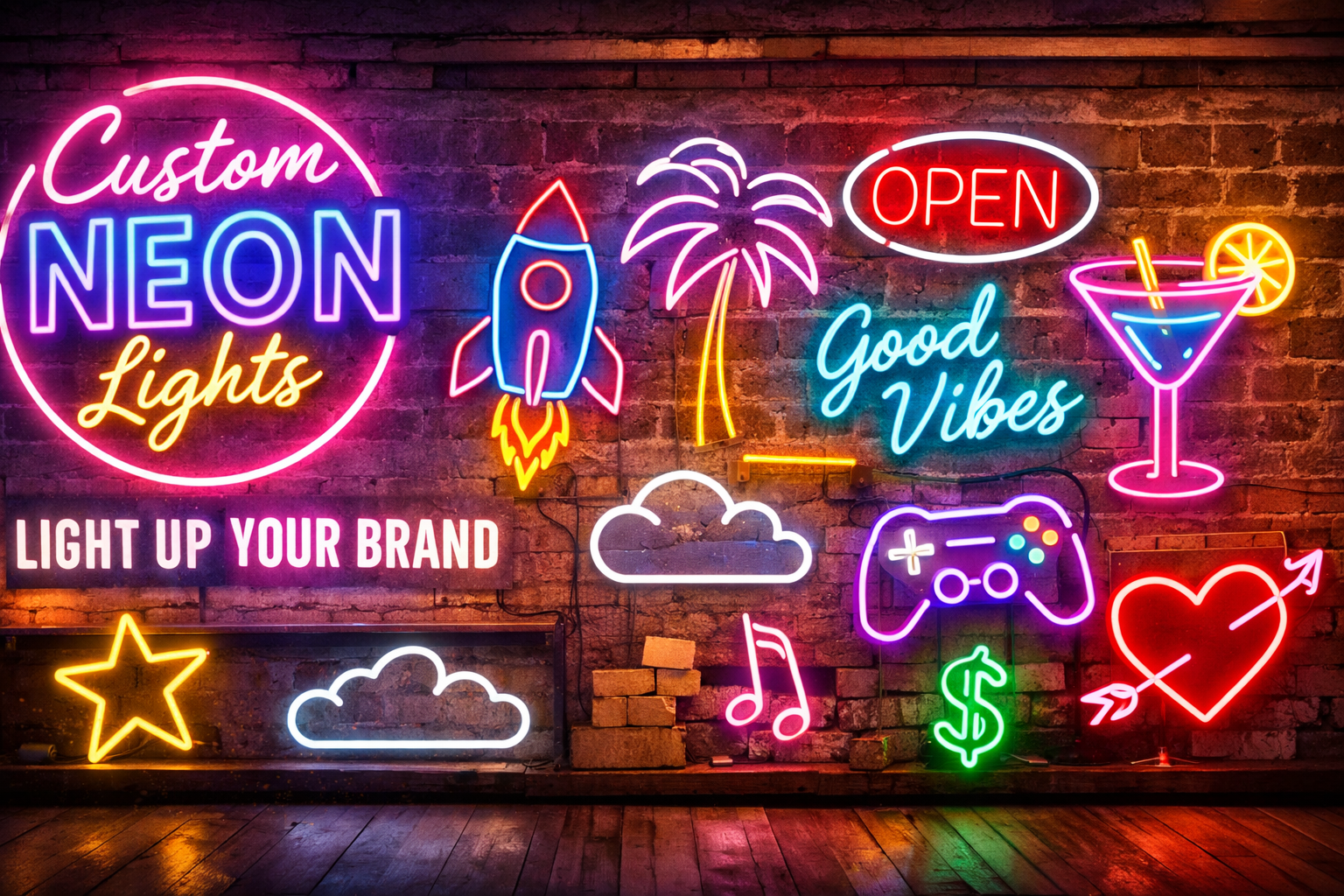
This is one reason many business owners are considering Custom Neon Lights for their retail interiors. Unlike ordinary decorative lights, personalised neon signs can display a brand name, a short message, a logo or a creative phrase. They add colour to the surroundings and give customers something distinctive to notice.
However, choosing the right design is not simply about picking a bright colour. The size, placement, style and purpose of the sign should suit the store. Here are some practical ideas to help retailers and showroom owners select Neon Lights that complement their business.
1. Start With Your Store’s Brand Identity
Before selecting a neon sign, think about what your business wants customers to remember. A clothing boutique, footwear store, electronics showroom and jewellery shop may all need different visual styles.
For example, a fashion boutique might prefer a stylish phrase or its brand name in a modern script font. An electronics showroom may look better with clean lettering and a simple logo design. A jewellery store could choose a more refined sign that complements its premium interior.
Your neon design should feel connected to the rest of your branding. Consider your existing logo, colour palette, typography and interior decoration before placing an order.
Custom Neon Lights are particularly useful when a business wants something more personal than a standard decorative sign. A design made around the brand can help create a consistent appearance across the store.
2. Choose the Right Location for Your Neon Sign
Even a well-designed sign can lose its impact if it is placed in the wrong location. Before purchasing, identify the areas where customers are most likely to notice it.
Some popular locations include:
- Store entrance: A branded neon sign near the entrance can make the storefront more noticeable.
- Reception or welcome desk: A short welcome message can create a friendly first impression.
- Product display walls: Neon lettering can draw attention to a selected collection or display area.
- Billing counter: A small personalised sign can add character to the checkout space.
- Waiting area: A creative phrase can make the space feel more welcoming.
- Photography corner: An attractive background can encourage customers to take pictures and share them online.
For showrooms, the placement should not interfere with product visibility. A neon sign should support the display rather than compete with the products being presented.
3. Select Colours That Match Your Products and Interiors
Colour is one of the first things people notice about Neon Lights. The right shade can complement your store’s interior, while a poorly matched colour may make the space feel visually crowded.
Start by looking at the colours already used in your store. If the walls and furniture have neutral shades, a brighter neon sign can introduce an interesting contrast. If your showroom already has colourful displays, a simpler white or warm-toned sign may be a better choice.
Here are a few combinations worth considering:
- White neon: Works well with minimal, contemporary and premium interiors.
- Warm-toned lighting: Can complement welcoming spaces and selected lifestyle displays.
- Blue neon: May suit technology, electronics and modern retail environments.
- Pink neon: Can add a playful touch to fashion, beauty and lifestyle stores.
- Red neon: Can create a bold visual feature when used carefully.
Remember that colours may appear different depending on wall shades, surrounding lights and the viewing angle. It is sensible to review the available colour options before finalising your design.
4. Consider the Size of Your Store and Display Area
A common mistake is choosing a neon sign based only on how attractive it looks in a product photograph. A design that looks perfect online may be too large or too small for the actual wall.
Measure the available space before placing your order. Consider the width and height of the wall, nearby shelves, product displays, furniture and other signs.
For a small retail store, a compact logo or short phrase may be enough to create a noticeable feature. Larger showrooms can accommodate wider signs, especially on reception walls or behind prominent product displays.
Try to maintain enough empty space around the sign. When the surrounding wall is crowded with posters, shelves and promotional material, the neon design may not receive the attention it deserves.
5. Use Your Brand Name or Logo for Better Recognition
Retail businesses invest time and money in building brand recognition. Your store name, logo and visual identity should remain consistent wherever customers interact with your business.
A personalised neon sign displaying your brand name can become a recognisable feature of the interior. It can be installed behind the reception desk, near the entrance or on a wall that customers naturally see while exploring the store.
Before ordering, share a clear logo file or artwork with the sign manufacturer. Ask for a design preview so you can check the lettering, spacing and overall appearance.
With Custom Neon Lights, retailers can also explore creative layouts that suit their logo instead of relying on standard text designs.
6. Create an Attractive Product Display Area
Product presentation is a major part of the shopping experience. Customers should be able to see the products clearly, understand their features and compare available options without unnecessary distractions.
Neon lighting can add a decorative element to selected display areas. For example, a clothing showroom might use a short fashion-related phrase near a styling section. A sneaker store could add a personalised sign behind a featured collection. A furniture showroom may use subtle lettering to give a lifestyle display more character.
The key is to keep the design relevant to the products. Avoid placing a large, colourful sign directly behind items that already have detailed patterns or bright packaging.
Also, remember that decorative Neon Lights are not a replacement for suitable product lighting. Use appropriate display lights to show product colours, textures and details accurately.
7. Think About Customer Photos and Social Media
Many customers enjoy taking pictures when they visit a store, particularly when the interior has an interesting background. A thoughtfully designed neon wall can become a natural photography spot.
Retailers can create a small photo corner with their brand name, a short phrase or a distinctive design. This works particularly well in fashion stores, lifestyle boutiques, gift shops and other businesses where customers enjoy sharing their shopping experiences.
Keep the background simple and leave enough room for people to stand comfortably. The sign should be positioned so that it appears clearly in photographs without causing glare or blocking the main subject.
A branded photo corner may also help customers recognise your store when they share pictures online. It is not a guarantee of social media exposure, but it gives visitors an additional reason to remember the space.
8. Check the Material, Build Quality and Installation Requirements
Appearance matters, but practical details should not be overlooked. Before buying Custom Neon Lights, ask the supplier about the materials, construction, power requirements and installation process.
Many modern decorative signs use LED neon flex rather than traditional glass neon. LED-based designs can be shaped into different letters and patterns, but the exact construction and performance depend on the product.
Check these points before confirming your order:
- What material is used for the lighting?
- Is the backing board included?
- What are the exact dimensions?
- How is the sign powered?
- Are mounting accessories provided?
- Is professional installation recommended?
- Is the product suitable for the intended indoor or outdoor location?
- What cleaning and maintenance instructions should be followed?
For storefronts or semi-outdoor areas, confirm the product’s weather-resistance rating. An indoor sign should not be exposed to rain, excess moisture or unsuitable temperatures.
9. Keep the Design Simple and Easy to Read
Retail interiors often contain many visual elements, including product shelves, promotional posters, price boards and brand displays. A complicated neon design can add to the visual clutter.
Choose a phrase that customers can understand quickly. Short wording usually works better than a long sentence, especially when the sign is installed near the entrance or on a busy display wall.
If you want to display your logo, make sure the lettering remains readable from the distance at which customers will see it. Very thin fonts, complicated symbols and tightly spaced letters may be difficult to recognise.
A simple design does not have to look ordinary. The right font, colour and arrangement can make a short phrase feel distinctive without making the entire wall look crowded.
10. Plan Your Budget Before Ordering
The cost of Custom Neon Lights can vary according to dimensions, design complexity, materials, colours and installation requirements. A large logo sign will generally require a different budget from a small decorative phrase.
Instead of selecting a design based only on its price, consider where it will be installed and how it will contribute to the overall store appearance.
Ask suppliers for a quotation that clearly mentions the sign dimensions, included accessories, power supply, delivery and installation charges, if applicable. Review the design proof before approving production.
It is also useful to compare a few options. This gives you a better idea of the available designs and helps you choose a product that suits both your space and budget.
11. Maintain Your Neon Sign Properly
Once installed, a neon sign needs basic care to keep it looking presentable. Dust can collect on the surface over time, particularly in busy retail environments.
Switch off and unplug the sign before cleaning it. Use a soft, dry or slightly damp cloth according to the manufacturer’s instructions. Avoid harsh chemicals, abrasive materials and excessive moisture.
Check the wiring and mounting from time to time. If the sign starts flickering, becomes unusually hot or shows visible wiring damage, stop using it and contact the supplier or a qualified technician.
Following the manufacturer’s maintenance instructions can help you keep the display in good condition.
Final Thoughts
The right lighting can make a retail store or showroom feel more welcoming, organised and memorable. Custom Neon Lights offer business owners an opportunity to bring their brand identity into the interior through personalised lettering, logos and creative designs.
From entrance displays and reception walls to product sections and customer photo corners, there are several ways to use Neon Lights without making the space feel overcrowded. The best choice depends on your store’s layout, brand colours, available wall space and overall interior style.
Before ordering, take time to plan the design, check the dimensions, understand the installation requirements and select a reliable supplier. A well-planned neon sign can become a distinctive part of your retail environment while helping your store create a consistent visual identity.