Smarter Timber Selection
Every successful building project begins with a structure that can provide strength stability and long term performance. While architectural finishes often receive the most attention, the materials hidden behind walls ceilings and floors play an equally important role in determining how a building performs over time. Timber remains one of the widely used construction materials because it combines structural capability with practical handling and versatility. Structural framing timber forms an essential part of many residential and commercial construction projects. It can be used for wall frames roof structures floor systems and other load supporting applications. Choosing suitable timber for these applications requires more than simply selecting a particular size. Factors such as timber grade moisture exposure treatment structural requirements and the intended application all need to be considered before construction begins.

What Makes Structural Timber Important in Construction

Structural framing creates the framework that supports many components of a building. Once the frame is constructed other elements such as walls flooring roofing insulation and interior finishes can be installed around it. This means the quality and suitability of framing materials can influence the performance of the entire structure. Timber is particularly useful because it can be processed into different dimensions and is relatively straightforward to transport and work with on site. Builders can cut and assemble timber components according to project requirements while maintaining a practical construction workflow. The appropriate structural timber depends on the design and engineering requirements of each project. Timber products are available in different grades and engineered forms, allowing builders to select materials according to the loads and conditions involved.

Understanding Timber Grades and Structural Performance

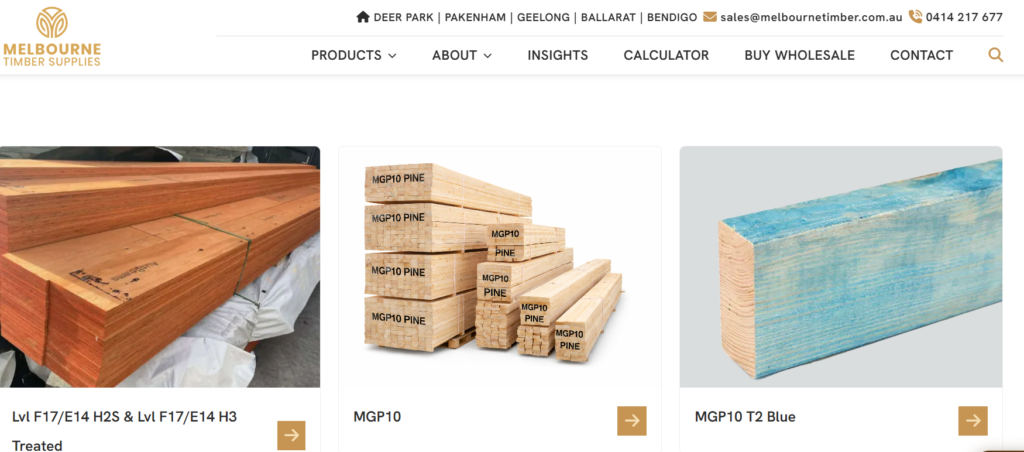
Timber grading provides important information about the structural characteristics of a product. Different grades are designed to meet different performance requirements, so selecting timber based only on appearance or price may not be appropriate for structural applications. MGP10 is one example of structural framing timber commonly associated with residential construction. The grade provides information about the expected structural performance of the material and can be selected for suitable framing applications according to project requirements. Engineered timber products such as laminated veneer lumber can provide another option where specific strength and dimensional performance is required. LVL products are manufactured by bonding layers of timber veneer together, producing an engineered structural component with predictable characteristics. Understanding the difference between conventional graded timber and engineered structural products helps builders and designers select materials according to the requirements of the project rather than relying on a one size fits all approach.

Choosing Timber for Different Building Applications

Structural timber can be used across numerous parts of a building. Wall framing is one of the most familiar applications, where timber creates the framework for external and internal walls. Depending on the building design, framing members may need to accommodate openings for windows and doors while also supporting loads transferred from upper sections of the structure. Roof framing is another important application. Roof structures need to support roofing materials and withstand the loads associated with the building design and environmental conditions. Selecting appropriate timber and constructing the frame according to engineering specifications is therefore essential. Timber can also be incorporated into floor systems. Floor framing needs to provide adequate support while maintaining dimensional stability and appropriate spacing for the selected flooring system. Engineered timber products may be considered for applications where longer spans or specific structural characteristics are required.

Treated Timber for Challenging Conditions

Not every construction environment presents the same conditions. Timber used in areas exposed to moisture or other environmental factors may require appropriate treatment. Treated structural timber can be selected for applications where additional protection is required according to the relevant project specifications. Products such as H3 treated timber are designed for particular environmental applications, while other treatment levels may be suitable for different exposure conditions. Builders should always select treatment according to the intended use and applicable Australian requirements. Treatment does not remove the need for proper design and installation. Drainage, ventilation, moisture management and construction detailing remain important factors in protecting timber and maintaining the performance of the overall structure.

Why Engineered Timber Can Be Useful

Engineered timber has become an important part of modern construction because it can provide consistent structural characteristics for specific applications. LVL is commonly used where conventional sawn timber may not provide the required dimensions or performance. Because engineered products are manufactured under controlled conditions, they can provide predictable properties that are useful in structural design. LVL products can be used for beams, lintels and other applications where the engineering design calls for suitable engineered timber. However, engineered timber is not automatically appropriate for every project. The correct product should be selected based on span, loading, support conditions and engineering specifications. Consulting the relevant product information and project documentation is important before installation.

Considering Moisture During Construction

Moisture management is an important consideration when working with timber. Timber is a natural material and its moisture content can change in response to environmental conditions. Poor storage or prolonged exposure to water during construction can affect the condition of timber and create unnecessary complications on site. Proper storage can help protect framing materials before installation. Keeping timber appropriately supported and protected from unnecessary exposure to weather can assist with maintaining its condition. Construction sequencing also matters. Builders should consider how long framing materials will remain exposed and ensure that the building envelope and moisture management systems are installed appropriately as construction progresses.

Improving Construction Efficiency Through Material Planning

Good material planning can make structural framing work more efficient. Accurate measurements and a clear understanding of the construction drawings allow builders to order suitable quantities and dimensions before work begins. Using appropriately sized timber can reduce unnecessary cutting and material waste. It can also make the framing process more predictable, particularly on larger projects where multiple framing components are required. Working with a timber supplier that understands construction requirements can further simplify procurement. Suppliers may be able to provide advice about available grades dimensions treatments and engineered timber options based on the project’s requirements.

Selecting Timber for Australian Building Conditions

Australian construction projects can encounter a wide range of environmental conditions. Climate, exposure, moisture and location can all influence material selection. Structural framing timber therefore needs to be chosen according to the specific requirements of the project rather than simply selecting a commonly used product. For projects in Melbourne, builders may require different timber solutions depending on whether the material is being used for internal framing, external applications or areas where additional treatment is required. Understanding the project’s environmental conditions before purchasing materials can help avoid unsuitable selections. Australian standards and project engineering requirements should also guide the selection and installation of structural timber. The correct grade and treatment should always be confirmed against the requirements of the particular construction project.

Working With a Reliable Timber Supplier

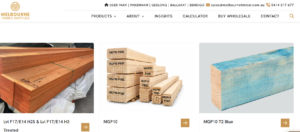
Choosing the right supplier can make timber procurement easier for builders, contractors and homeowners. A specialist supplier can provide access to different structural timber products while helping customers understand the characteristics of available options. Melbourne Timber Supplies provides a range of structural framing timber products, including MGP10, MGP10 T2 Blue, LVL F17 E14 H2S, LVL E10 H2 termite treated, F7 H3 LOSP treated pine and F5 H3 CCA treated pine. The availability of different grades and treatment options allows construction professionals to consider materials based on the specific application and project requirements. The company also provides services such as cut to size options, delivery and pickup, making it possible to plan timber procurement around individual project requirements. Builders working on larger projects can also discuss bulk orders and material requirements with the supplier before purchasing.

Making Structural Material Selection Part of the Design Process

Structural timber selection should ideally happen during the planning stages rather than being treated as a last minute purchasing decision. Early consideration of timber grades dimensions treatment and engineered products can help align material procurement with the structural design. Architects builders engineers and project managers can work together to establish the requirements for each section of the building. This approach can make it easier to identify where conventional framing timber is suitable and where engineered products may be required. Early planning can also help reduce delays caused by unavailable sizes or unsuitable materials. When timber requirements are identified in advance, suppliers have a clearer understanding of what needs to be sourced and delivered.

Building With Confidence Through Better Material Choices

A strong building starts with a well planned structural system. Structural framing timber provides the framework that allows walls roofs floors and other building components to come together as a complete structure. Its selection should therefore be based on structural requirements environmental conditions timber grade treatment and the intended application. From MGP10 framing timber to engineered LVL products and treated timber options, modern construction offers a range of materials for different structural needs. Understanding these choices allows builders and construction professionals to approach material procurement with greater clarity. When suitable timber is combined with sound engineering design proper storage and correct installation practices, it can contribute to durable and efficient construction. For projects where structural performance matters, taking the time to understand timber selection before construction begins can make a meaningful difference to the overall building process.

Leave a Reply

Your email address will not be published. Required fields are marked *