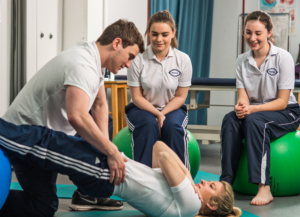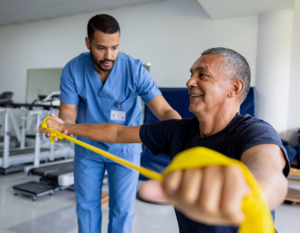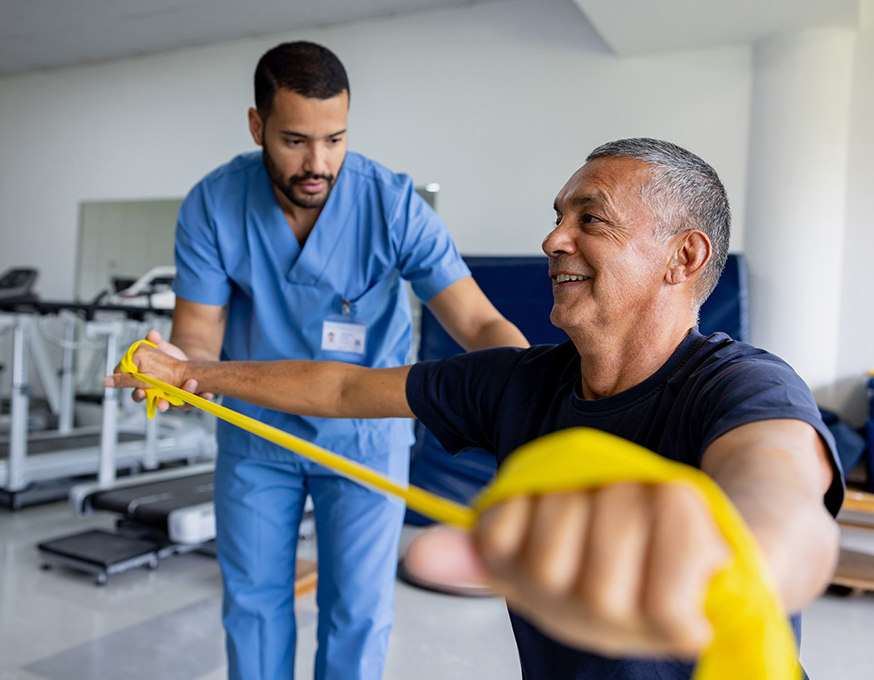
Maintaining mobility, strength, and physical comfort is essential for enjoying daily activities, staying productive at work, and participating in the hobbies that make life fulfilling. Injuries, persistent discomfort, limited joint movement, and recovery after surgery can make even routine tasks more challenging. Physical Therapist Services in Ashburn VA can help individuals understand their movement limitations, work toward functional goals, and develop practical strategies for improving physical performance. Whether someone is managing a sports-related injury, experiencing recurring back discomfort, or rebuilding strength after a medical procedure, appropriate physical therapy can provide a structured path toward better movement and greater independence.
Choosing the right provider is an important part of this process because effective rehabilitation should reflect each person’s condition, activity level, health history, and recovery goals. Physical Therapist Services in Ashburn VA are particularly relevant for people seeking individualized guidance rather than relying exclusively on rest, generic exercises, or temporary approaches to discomfort. PT By Art is a business to consider when exploring physical therapy options in the Ashburn area. Understanding what rehabilitation involves, how treatment plans are developed, and which factors matter when selecting a provider can help patients make informed decisions and take a more active role in their physical well-being.
Understanding Physical Therapist Services in Ashburn VA and Their Importance
Physical therapy focuses on evaluating movement difficulties and developing appropriate strategies to improve strength, flexibility, balance, coordination, and functional ability. Treatment may be useful for people recovering from an injury, managing movement restrictions, addressing balance concerns, or working to restore everyday activities after surgery. A physical therapist typically considers how symptoms affect practical tasks such as walking, climbing stairs, lifting objects, exercising, or remaining comfortable during prolonged sitting. This functional perspective helps connect rehabilitation activities with meaningful improvements in daily life. Rather than treating every patient with the same routine, an appropriate program considers individual limitations, tolerance for activity, and progress over time. Patients also learn how posture, movement mechanics, activity modification, and consistent exercise may influence their recovery. Understanding these elements helps people approach therapy with realistic expectations and recognize that sustainable progress often depends on active participation, regular reassessment, and communication with the treating professional.
Common Conditions That May Benefit from Physical Therapy
Physical therapy can support recovery and function across a wide range of musculoskeletal and movement-related concerns. People with back or neck discomfort may benefit from an assessment of mobility, muscular endurance, posture, and the physical demands of their daily routines. Individuals with shoulder, knee, ankle, or hip problems may need guidance on restoring movement, rebuilding strength, and gradually returning to work, recreational activities, or sports. Rehabilitation may also be recommended after certain surgical procedures, when a clinician determines that supervised movement and progressive exercise are appropriate. Older adults may seek support for balance, walking confidence, and maintaining the physical abilities needed for independent living, while active individuals may require a carefully managed return-to-sport program. The right approach depends on the underlying condition, the severity of symptoms, and any medical restrictions. New or unexplained symptoms should receive an appropriate medical assessment, particularly when they are severe, worsening, or accompanied by concerning changes in sensation or strength. A thorough evaluation helps determine whether physical therapy is suitable and whether other healthcare professionals should be involved.
How Personalized Treatment Plans Support Better Recovery
A personalized rehabilitation plan begins with understanding the patient rather than selecting exercises based solely on a diagnosis. During an initial assessment, a physical therapist may review the person’s medical history, discuss symptoms and activity goals, examine relevant movement patterns, and evaluate strength, flexibility, balance, or functional limitations. These findings help establish priorities and determine an appropriate starting level for treatment. Someone who wants to return to recreational running may need a different progression from someone whose primary goal is to sit comfortably through a workday or manage household responsibilities. Treatment may include therapeutic exercises, movement education, mobility work, balance training, and other clinically appropriate techniques. The intensity and complexity of activities should increase according to the patient’s response and demonstrated ability, not simply according to a fixed schedule. Patients can support this process by communicating openly about discomfort, fatigue, barriers to home exercise, and changes in their daily function. Regular reassessment allows the plan to evolve as abilities improve or new concerns arise, making rehabilitation more relevant to the patient’s actual needs.
Choosing the Right Physical Therapy Provider for Your Needs
Selecting a physical therapy provider involves more than comparing appointment availability or choosing the closest location. Patients should consider the provider’s professional qualifications, experience with their particular concerns, communication style, treatment philosophy, and ability to explain the rehabilitation process clearly. A useful first conversation should establish what the patient hopes to achieve, how progress will be assessed, and what participation outside scheduled appointments may involve. It is also worth asking whether the provider has experience working with similar injuries or functional limitations and how the treatment approach will be adapted if recovery does not follow the expected course. Accessibility, scheduling flexibility, appointment structure, and insurance or payment arrangements may also influence whether someone can maintain consistent care. PT By Art may be included in an individual’s research when comparing local options, with prospective patients encouraged to confirm current services, provider credentials, and appointment arrangements directly. A provider who listens carefully, explains clinical decisions, and encourages realistic expectations can help patients feel informed and engaged throughout rehabilitation.
Practical Ways to Prepare for Your First Appointment
Preparing for an initial physical therapy appointment can make the evaluation more productive and help the therapist understand the patient’s needs. Before attending, consider when the symptoms began, which activities make them better or worse, and how they affect work, sleep, exercise, or household responsibilities. Bringing relevant medical records, imaging reports, surgical information, medication details, and previous treatment notes may be useful when available. Patients should also share existing medical conditions, prior injuries, and any instructions or restrictions provided by other healthcare professionals. Wearing comfortable clothing that allows the therapist to assess the relevant body area can make movement testing easier. It is helpful to identify a few concrete goals, such as walking for longer periods, lifting a child more comfortably, returning to a preferred sport, or managing a full workday with fewer interruptions. During the visit, patients should ask questions whenever an instruction or treatment recommendation is unclear. Honest communication about symptoms and concerns helps the therapist select appropriate activities and adjust the program to the individual’s tolerance. Preparation does not need to be complicated; clear information and realistic goals are often the most valuable starting points.
The Role of Consistency, Home Exercises, and Progress Tracking
Rehabilitation frequently extends beyond the time spent in a treatment session, making consistency an important part of the recovery process. A therapist may recommend home exercises designed to reinforce movement skills, build strength, improve mobility, or develop balance between appointments. Following these instructions as prescribed can help patients practice the techniques introduced during supervised care and incorporate them into everyday routines. However, doing more exercise is not always better. Repeating movements too aggressively, increasing resistance too quickly, or ignoring instructions about activity restrictions can aggravate symptoms or interfere with recovery. Patients should clarify how often exercises should be performed, what level of effort is appropriate, and which responses should prompt them to stop and seek advice. Progress can be tracked through practical measures, including walking distance, ease of climbing stairs, range of movement, exercise tolerance, or the ability to complete specific daily tasks. Improvements may occur gradually, and temporary fluctuations do not automatically indicate that treatment has failed. Regular communication allows the therapist to distinguish expected responses from problems requiring adjustment. Establishing a manageable routine that fits around work, family commitments, and rest can make it easier to sustain the effort required for meaningful functional improvement.
Supporting Long-Term Mobility Through Everyday Habits
The benefits of rehabilitation can be reinforced by habits that support physical activity, recovery, and general well-being. Regular movement throughout the day may help people avoid prolonged inactivity, particularly when their work involves extended periods of sitting. Adjusting a workstation, changing positions periodically, and taking comfortable movement breaks can make daily routines more manageable for some individuals. Gradually building strength and cardiovascular fitness may also support physical capacity, provided the activities are suitable for the person’s condition and any medical restrictions. Adequate sleep, balanced nutrition, and appropriate recovery time contribute to overall health and can help people maintain a sustainable exercise routine. Those returning to demanding sports or physically intensive work should progress according to their functional readiness rather than relying only on the absence of pain. Good technique, suitable equipment, and sensible increases in training demands can help reduce unnecessary strain. People with recurring symptoms should discuss patterns and possible contributing factors with a qualified professional rather than assuming that one exercise or posture explains every problem. Long-term mobility is best supported by a flexible approach that combines appropriate treatment, regular physical activity, and informed decisions about when to increase or modify demands.
Conclusion: Making an Informed Choice for Lasting Results
Improving physical function requires a thoughtful combination of appropriate assessment, individualized treatment, consistent participation, and realistic expectations. From recovering after an injury to managing movement limitations or rebuilding confidence in everyday activities, patients benefit from understanding their options and selecting care that reflects their specific goals. When evaluating Physical Therapist Services in Ashburn VA, consider professional qualifications, relevant experience, clear communication, personalized treatment planning, and a practical approach to tracking progress. PT By Art is one option to explore as part of that decision, with prospective patients encouraged to verify the services and arrangements that best fit their needs. Beyond appointments, following professional guidance, maintaining suitable activity levels, and reporting changes in symptoms can help support a more informed rehabilitation experience. The most appropriate provider is one whose approach matches the patient’s circumstances and promotes safe, meaningful progress rather than promising instant results. By making careful choices and remaining actively involved in recovery, individuals can work toward better mobility, improved daily function, and a more sustainable foundation for long-term physical well-being.