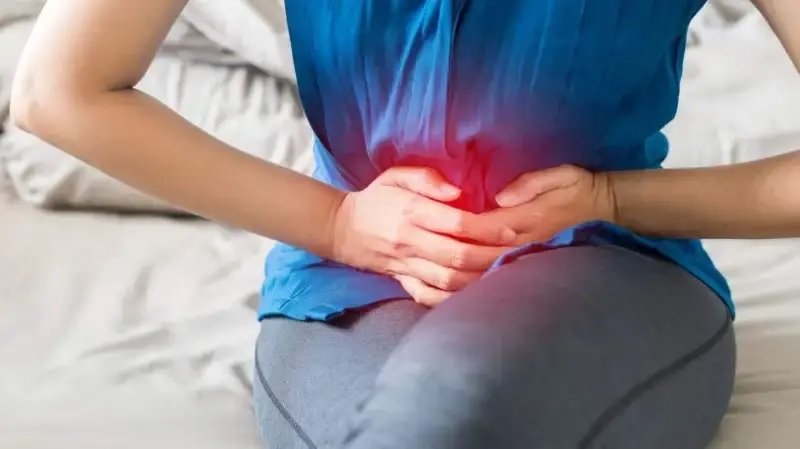
Painful Periods
Menstrual cramps are a common part of the menstrual cycle, most commonly during the teenage years and early adult years. For many women, the discomfort lasts for a day or two and is relieved by rest or pain relief. However, when the pain becomes severe, it should not be dismissed. The first step is understanding when period pain is normal and when it could be a sign of something else so you get the right care.
Faridabad has emerged as a majo hub in women’s health with easy access to period care. Consulting the best gynecologist in NIT , Faridabad can help identify if painful periods are part of the normal menstrual cycle or a sign of a condition that requires treatment.
Understanding Dysmenorrhea
Primary dysmenorrhea refers to menstrual pain that is not caused by an underlying pelvic disease. It usually starts within a few years of the first period and is related to prostaglandins, hormone-like substances that cause the uterine contractions during menstruation.
Common signs include:
- Cramping pain in the lower abdomen
- Pain that starts just before or soon after periods begin
- Symptoms lasting one to three days
- Mild lower back pain or discomfort in thighs
- Improvement with nonsteroidal anti-inflammatory drugs (NSAIDs) or a heating pad
This type of pain usually does not affect fertility or indicate a serious health problem.
When Pain May Not Be Normal
Medical assessment is needed for pain that changes in intensity, worsens or continues after the menstrual period. This is known as secondary dysmenorrhoea and is typically due to an underlying gynaecological condition.
Possible causes include:
- Endometriosis
- Adenomyosis
- Uterine fibroids
- Pelvic inflammatory disease
- Ovarian cysts
- Certain intrauterine devices (IUDs), particularly soon after insertion
Secondary dysmenorrhea, however, may start later in life and is often associated with heavy menstrual bleeding, pain during intercourse, irregular bleeding or difficulty conceiving.
When to see a doctor?
Do not ignore period pain if it:
- Prevents you from carrying out daily activities
- Does not improve with over-the-counter pain relief
- Suddenly gets a lot worse than usual
- Is associated with very heavy bleeding or large clots
- Continues after your menstrual period has ended
- Develops for the first time in adulthood, after years of painless periods
An online search for gynecologists near me can help you connect with experienced specialists who can determine whether further tests or treatment are needed.
Diagnosis and Treatment Options
Your doctor will start by asking about your menstrual cycle, the timing and severity of the pain, any symptoms that accompany it, and your medical history. Depending on your age and symptoms, your doctor may recommend a pelvic exam, blood tests or an MRI (in some cases).
Treatment Options
Management is directed at diagnosis and severity of symptoms. For primary dysmenorrhea, treatment can include:
- NSAIDs started at the start of the menstrual period
- Hormonal contraceptives (when indicated)
- Regular physical activity
- Heat therapy over the lower abdomen
For secondary dysmenorrhea, treatment focuses on the underlying condition. This may involve hormone therapy, treatment for infection, minimally invasive procedures, or surgery in selected cases such as significant fibroids or severe endometriosis.
The Cloudnine Advantage
Cloudnine offers complete gynaecological care through experienced specialists, advanced imaging and evidence-based treatment plans. Each woman is evaluated individually to determine the cause of her menstrual pain and to devise a management plan specific to her symptoms, age, and future reproductive plans.
If you live in or around Faridabad, seeking guidance from the best gynecologist in NIT, such as at Cloudnine, can help you provide with expert advice on menstrual disorders, endometriosis, fibroids, fertility issues and preventive gynaecologic care. This collaborative approach ensures women receive diagnosis and personalised treatment in a timely manner, all under one roof.
Conclusion
While mild menstrual cramps are common, severe or worsening pain should never be considered normal. Many conditions that cause painful periods can be effectively managed when diagnosed early, helping improve comfort and long-term reproductive health. Early medical evaluation not only provides relief from symptoms but also helps identify underlying conditions before they lead to further complications.