Planning a Window Replacement Project Essential Tips for Choosing the Right Windows for Your Home
Undertaking a home improvement project is a significant decision that impacts both the aesthetic appeal and functional efficiency of a property. Among the most impactful investments a homeowner can make is upgrading their fenestration. However, Planning a Window Replacement Project: Essential Tips for Choosing the Right Windows for Your Home is a comprehensive process that goes far beyond simply picking a style you like. It involves a careful evaluation of materials, energy ratings, installation requirements, and long-term maintenance costs. As energy prices fluctuate and environmental consciousness grows, the demand for high-performance, durable windows has surged, making it a priority for homeowners looking to reduce utility bills and increase property value. This guide serves as a comprehensive resource to navigate the complexities of this renovation, ensuring that your investment yields the desired comfort, aesthetic, and financial returns.
The modern housing market places a premium on energy efficiency and sustainable living. Old, drafty windows are one of the primary culprits behind heat loss in winter and unwanted heat gain in summer, forcing HVAC systems to work overtime. Consequently, homeowners are increasingly seeking professional guidance to ensure they select products that meet stringent building codes and performance standards. Whether you are renovating a historic property or updating a contemporary home, the choices you make regarding frame materials, glazing options, and hardware will dictate the performance of your home for decades to come. This article will explore the critical factors involved in Planning a Window Replacement Project: Essential Tips for Choosing the Right Windows for Your Home, providing you with the knowledge needed to make informed decisions.
Understanding Window Replacement and Its Importance
To fully grasp the value of this home improvement, one must first understand the mechanics of modern window technology. Windows are no longer just holes in the wall covered by glass; they are sophisticated systems engineered to regulate temperature, block noise, and filter UV rays. The importance of upgrading these fixtures lies in their ability to act as a thermal barrier. When a home has outdated, single-pane windows, conditioned air escapes rapidly, leading to energy waste and uneven room temperatures. Furthermore, older windows often suffer from rot, warping, and malfunctioning hardware, which can compromise the structural integrity of the home and create security risks. Understanding the specific needs of your property such as exposure to harsh weather elements or high noise pollution—is the first step in determining the specifications required for your new units.
Importance of Professional Window Replacement Services
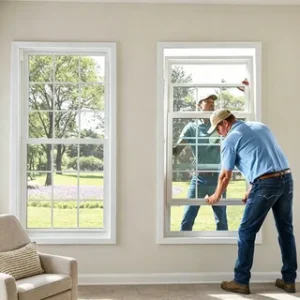
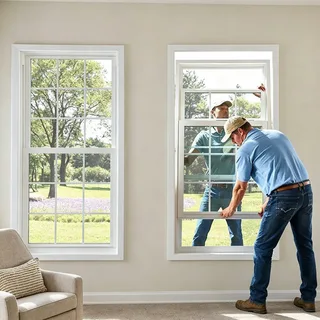
While the products themselves are crucial, the expertise of the installation team is equally vital. The phrase Planning a Window ReplacementProject: Essential Tips for Choosing the Right Windows for Your Home inherently includes the necessity of hiring qualified professionals. Improper installation can negate the benefits of even the most expensive, high-efficiency windows. Gaps in flashing, inadequate insulation around the frame, and misalignment can lead to air leaks, water intrusion, and premature failure of the window seals. Professional installers bring a level of precision and knowledge regarding local building codes that ensures the job is done correctly the first time. They can identify potential structural issues that a layperson might miss, such as hidden water damage or structural rot, and address these issues before the new windows are set in place. This diligence protects your investment and ensures the warranty remains valid.
Services and Features Related to Window Replacement
The market offers a vast array of options when it comes to window features, designed to cater to different climates, architectural styles, and budget constraints. When Planning a Window Replacement Project: Essential Tips for Choosing the Right Windows for Your Home, you will encounter various frame materials such as vinyl, wood, fiberglass, and aluminum, each with distinct pros and cons regarding insulation and maintenance. Glazing options are equally diverse, including double or triple glazing, Low-E coatings, and argon gas fills, all of which contribute to the window’s U-factor and Solar Heat Gain Coefficient (SHGC). Additionally, features like tilt-in sashes for easy cleaning, multi-point locking systems for security, and decorative grids for aesthetic appeal are available. Understanding these features allows a homeowner to customize their windows to fit specific functional needs, such as maximizing natural light in a living room or ensuring privacy in a bathroom.
Choosing the Right Window Replacement Contractor
Selecting the right contractor is arguably the most critical step in the entire process. A reputable contractor acts as a partner in the project, guiding you through the selection process and ensuring a seamless execution. When vetting potential companies, look for certifications from organizations like the National Fenestration Rating Council (NFRC) and the American Architectural Manufacturers Association (AAMA). A trustworthy contractor will provide detailed quotes that break down material costs, labor, and warranty terms, avoiding vague estimates that often lead to hidden fees. They should also be willing to provide references from past clients and showcase examples of their previous work. A professional contractor will never pressure you into a quick sale; instead, they will take the time to answer your questions and help you understand the long-term value of your investment, ensuring that the project aligns with your vision and budget.
Quality, Safety, and Industry Standards
Adherence to industry standards is non-negotiable when it comes to home safety and quality. High-quality windows must meet specific performance criteria, including structural integrity, water resistance, and air infiltration resistance. Organizations such as the NFRC rate windows on their energy performance, providing labels that help consumers make apples-to-apples comparisons. Safety is another paramount concern, particularly in homes with children or in areas prone to severe weather. Features like tempered glass in floor-to-ceiling windows or hurricane-rated impact glass in coastal regions are essential for preventing injury and property damage. Furthermore, proper installation must comply with local building codes, which often dictate specific requirements for egress (emergency exit) and fall protection. Ignoring these standards can result in failed inspections, safety hazards, and the voiding of homeowner insurance policies, making it imperative to prioritize compliance over cost savings.
Benefits of Hiring or Using Professional Services
The decision to hire professional services for your window installation yields a multitude of benefits that extend well beyond the day of installation. One of the most immediate advantages is the assurance of correct installation, which maximizes the energy efficiency of the new units. This translates directly into lower monthly utility bills and a reduced carbon footprint. Professionally installed windows also significantly enhance the comfort of your home by eliminating drafts and reducing outside noise, creating a more peaceful and relaxing living environment. From a financial perspective, the resale value of a home increases with modern, energy-efficient windows, as potential buyers are often willing to pay a premium for a move-in-ready property that promises lower maintenance costs. Finally, professional services come with robust warranties that cover both the product and the labor, providing peace of mind and protection against manufacturing defects or workmanship errors.
Future Trends and Industry Development
The fenestration industry is constantly evolving, driven by technological advancements and changing environmental regulations. Future trends are heavily focused on smart home integration, with windows that can automatically tint based on sunlight intensity or integrate with home automation systems to control ventilation and blinds. Materials science is also advancing, with the development of self-cleaning glass and vacuum-insulated glazing that offers superior thermal performance with slimmer profiles. Sustainability remains a key driver, with manufacturers increasingly using recycled materials and eco-friendly production processes. As governments worldwide implement stricter energy codes, the standard for windows will continue to rise, making it essential for homeowners to stay informed about the latest innovations. These developments promise not only greater energy savings but also enhanced aesthetic possibilities and functionality for modern living.
Conclusion
In summary, the process of upgrading your home’s windows is a multifaceted investment that requires careful consideration of materials, features, contractors, and standards. By following the guidance provided in Planning a Window Replacement Project: Essential Tips for Choosing the Right Windows for Your Home, you can navigate this complex market with confidence. The benefits ranging from enhanced energy efficiency and increased property value to improved comfort and aesthetics make this renovation a worthwhile endeavor for any homeowner. As you move forward, prioritize quality and professional expertise to ensure that your new windows serve your home effectively for years to come. A well-executed window replacement project is a lasting improvement that elevates the standard of living and secures the future of your property.