Getting dressed for work should not mean choosing between looking professional and feeling comfortable. Modern office fashion offers plenty of options, from tailored trousers and crisp shirts to relaxed blazers and polished knitwear. The best outfits reflect your workplace culture while allowing your personality to shine. For men who value identity and versatility, Melanin Apparel For Men offers an opportunity to combine contemporary fashion, cultural expression, and practical everyday dressing without compromising a professional appearance.
Why Modern Office Wear Focuses on Versatility
Office fashion has moved beyond rigid suits and formal ties. Many American workplaces now welcome business casual clothing, smart separates, and carefully coordinated everyday outfits. However, expectations still vary between corporate offices, creative agencies, remote teams, and customer-facing roles.
The most useful approach is to build a wardrobe around versatile pieces that work together. A well-fitted shirt, neutral trousers, a lightweight blazer, and clean shoes can create several different outfits without requiring a large clothing collection.
Professional clothing should also suit your daily routine. If your job involves meetings, choose structured pieces that look polished on camera and in person. For a more relaxed workplace, prioritize breathable fabrics, comfortable cuts, and understated details.
Which Office Apparel Styles Work Best Today?
Business Casual for Everyday Professionalism
Business casual is one of the most practical office dress styles because it combines traditional workwear with modern comfort. It usually includes button-down shirts, chinos, tailored trousers, loafers, and optional blazers.
For example, navy chinos paired with a white Oxford shirt and brown loafers create a clean, dependable outfit. On cooler days, add a charcoal cardigan or an unstructured blazer for extra warmth and refinement.
Fit makes a significant difference. Trousers should sit comfortably at the waist, sleeves should end near the wrist, and shirts should allow movement without appearing oversized. These small details help simple apparel look intentional.
Smart Casual for Relaxed Workplaces
Smart casual suits offices where employees can dress comfortably while maintaining a neat appearance. It offers more freedom than traditional business attire but still requires thoughtful coordination.
Try combining dark straight-leg jeans, a fine-knit polo, and leather sneakers if your workplace permits denim. Alternatively, wear tailored chinos with a crew-neck sweater and suede loafers for a slightly more refined look.
Avoid clothing that appears too casual for your role, such as distressed jeans, graphic tees with distracting designs, or heavily worn footwear. The aim is to look relaxed without looking unprepared.
Traditional Business Wear for Formal Settings
Banks, law firms, executive offices, and certain client-facing professions may still require formal business clothing. In these environments, a two-piece suit, dress shirt, leather dress shoes, and a coordinated belt remain reliable choices.
Navy, charcoal, and medium gray are particularly versatile suit colors. White and light blue shirts pair easily with these shades, while a restrained tie can introduce color without making the outfit distracting.
Choose a suit that fits your shoulders and allows comfortable movement when sitting or standing. If necessary, use a tailor to adjust sleeve length, trouser hems, and the waist. A modest investment in alterations can make an ordinary suit look significantly more polished.
How to Choose Colors That Look Professional
Color coordination can help an office outfit look balanced without requiring expensive designer clothing. Neutral shades provide a dependable foundation, while carefully selected accent colors add personality.
Navy, black, gray, beige, olive, and cream work well across many professional wardrobes. These colors can be mixed with burgundy, forest green, rust, or muted blue for visual interest.
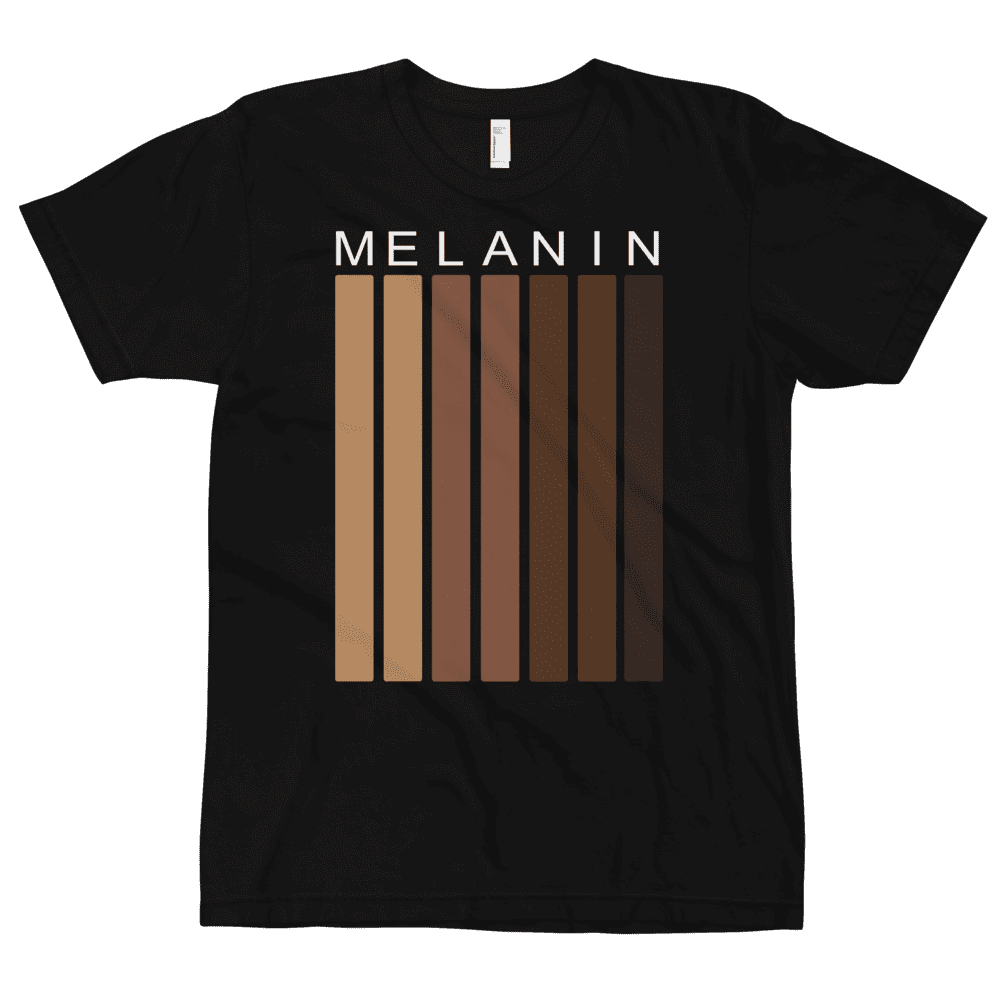
Melanin Apparel can also celebrate the beauty of deeper skin tones through thoughtful color choices. Rich jewel tones, warm earth shades, crisp whites, and balanced neutrals can all complement a wide range of complexions. The best choice depends on personal preference, the garment’s undertone, and the overall outfit.
Consider these practical combinations:
- Navy and white: A classic pairing for meetings, presentations, and daily office wear.
- Olive and cream: A relaxed combination that works especially well with chinos and knitwear.
- Charcoal and burgundy: A refined option for colder weather and professional events.
- Camel and black: A modern contrast suitable for blazers, trousers, and smart casual outfits.
Instead of matching every item exactly, coordinate colors that complement one another. This creates a natural, confident appearance.
Essential Office Wardrobe Pieces for Men
A practical office wardrobe begins with a small collection of reliable garments. Each item should fit well, suit the workplace, and pair easily with other pieces.
Shirts That Work Across Different Dress Codes
Button-down shirts are among the most useful office essentials. White and light blue options work with formal suits, chinos, and tailored trousers. Subtle stripes and understated checks can add variety without appearing overly casual.
Polo shirts and fine-knit tops are useful alternatives for relaxed offices. Choose solid colors and quality fabrics to maintain a clean appearance. Avoid collars that have lost their shape or fabrics that cling uncomfortably.
Trousers That Balance Comfort and Structure
Tailored trousers, chinos, and suitable dress pants form the foundation of many office outfits. Straight and slim-straight cuts often provide a balanced silhouette, although the best fit depends on body shape and individual preference.
For a versatile collection, start with navy, charcoal, and beige. These shades work with most office shirts and knitwear, making it easier to create multiple outfits from a few pieces.
Check the fabric before purchasing. Cotton blends can provide everyday comfort, while wool blends may offer a more structured appearance for formal settings. Stretch fabrics can also help when your workday involves extended periods of sitting.
Blazers and Lightweight Layers
A blazer instantly makes many outfits look more professional. It can be worn over a button-down shirt for meetings or paired with a knit polo for a modern business casual look.
Unstructured blazers are particularly useful when a traditional suit jacket feels too formal. They provide shape without excessive padding, making them comfortable for everyday use.
Cardigans, overshirts, and lightweight sweaters are also useful layering options. Choose pieces that fit comfortably over shirts without creating bulky shoulders or restricting arm movement.
Office Outfit Ideas for Different Work Environments
The right apparel depends on where you work and what your responsibilities involve. A creative studio may welcome expressive styling, while a corporate office may expect more conservative clothing.
The following table offers practical outfit ideas for common American workplace settings.
| Workplace setting | Recommended apparel | Suitable footwear | Styling tip |
|---|---|---|---|
| Corporate office | Suit, dress shirt, tailored trousers | Oxford shoes or derbies | Keep colors coordinated and accessories understated |
| Business casual office | Chinos, Oxford shirt, blazer | Loafers or brogues | Use a neutral base with one accent color |
| Creative workplace | Knit polo, tailored pants, modern jacket | Minimal leather sneakers or loafers | Express personality through texture and color |
| Hybrid work environment | Smart trousers, clean knitwear, button-down shirt | Loafers or polished casual shoes | Choose outfits that look good both in person and on video |
| Client-facing role | Structured blazer, dress shirt, tailored trousers | Clean dress shoes | Prioritize fit, grooming, and a consistent appearance |
| Warm-weather office | Lightweight shirt, breathable chinos | Loafers or other office-appropriate shoes | Choose breathable fabrics and lighter colors |
These recommendations are starting points rather than strict rules. Always follow your employer’s dress code, particularly when meeting clients or attending formal events.
How Fabric Choices Improve Office Comfort
Office clothing needs to look good throughout the workday, not just when you first put it on. Fabric selection influences breathability, movement, wrinkle resistance, and overall comfort.
Cotton is a popular choice for shirts because it feels comfortable and works across different seasons. Cotton blends may offer easier care and improved wrinkle resistance, depending on their construction.
Wool and wool blends can work well for tailored trousers and blazers, especially in cooler climates. Lightweight versions may also suit year-round professional wardrobes. Linen offers excellent breathability in hot weather, although it wrinkles more readily than many other fabrics.
When shopping, consider the conditions you experience during a typical workday. If you commute in warm weather but spend hours in air-conditioned offices, removable layers and breathable shirts can help you stay comfortable.
Styling Melanin Apparel Without Losing Professional Appeal
Personal style can coexist with workplace expectations. Melanin Apparel can reflect cultural pride, individuality, and contemporary fashion while remaining appropriate for professional settings.
Start by choosing garments with clean lines, comfortable fits, and colors that suit your preferences. A well-cut black polo, cream trousers, and polished loafers can create a confident outfit without relying on bold patterns or visible branding.
If you prefer expressive clothing, introduce personality through one element at a time. A patterned shirt beneath a neutral blazer, a textured knit, or a subtle accessory can make an outfit distinctive while keeping the overall look balanced.
For men exploring Melanin Apparel, quality and versatility should guide purchasing decisions. Look for garments that hold their shape, maintain their color with proper care, and coordinate with clothing already in your wardrobe. Cultural expression does not require sacrificing practicality or professional polish.
Common Office Fashion Mistakes to Avoid
Even attractive clothing can look unsuitable when the fit, condition, or combination is wrong. Fortunately, a few straightforward habits can help you avoid common wardrobe problems.
First, do not confuse expensive clothing with well-dressed clothing. An affordable shirt that fits properly and is clean can look better than a costly garment with poor proportions.
Second, avoid ignoring your workplace’s expectations. A pair of casual sneakers might work well in a creative office but may look inappropriate in a formal client meeting. When uncertain, choose a slightly more formal outfit until you understand the office culture.
Finally, pay attention to maintenance. Iron or steam garments when needed, remove visible lint, polish leather shoes, and replace items that have become excessively faded or damaged. These details communicate care without requiring additional spending.
Building a Versatile Office Wardrobe on a Budget
A professional wardrobe does not need to be expensive. Instead of buying many items at once, focus on a few essentials that can be worn in several combinations.
Begin with two pairs of trousers, three versatile shirts, one blazer, one knitwear option, and two pairs of appropriate shoes. Expand the collection gradually as you identify gaps in your weekly outfits.
Before purchasing anything new, check whether it works with at least three items you already own. This simple rule helps prevent impulse purchases and reduces the number of garments that remain unworn.
You can also save money by shopping during seasonal sales, comparing fabric quality, and choosing durable basics over short-lived trends. For Melanin Apparel shoppers, the same principle applies: prioritize clothing that fits your lifestyle, expresses your identity, and remains useful beyond a single season.
How to Keep Office Outfits Looking Fresh
Good garment care extends the life of your clothing and helps your wardrobe remain presentable. Always check care labels before washing, drying, or ironing garments, especially when they contain wool, linen, or blended fibers.
Wash clothes according to their fabric requirements and avoid excessive heat when it could cause shrinkage or damage. Hang shirts promptly after washing, fold knitwear to prevent stretching, and use suitable hangers for structured jackets.
Rotating your clothes also helps. Wearing the same shirt or trousers repeatedly without allowing them to air out can increase wear and reduce freshness. Planning outfits ahead of time gives garments a break and makes busy mornings easier.
With consistent care, a relatively small wardrobe can support a wide range of professional looks throughout the year.
Conclusion
The best office wear styles today combine comfort, versatility, and a professional appearance. From business casual chinos and tailored shirts to formal suits and relaxed knitwear, the right choices depend on your workplace, daily routine, and personal preferences. Thoughtful color coordination, suitable fabrics, and proper garment care can make even a modest wardrobe feel polished. Melanin Apparel provides room for men to express cultural identity and individual style while dressing appropriately for work. By investing in versatile essentials, choosing clothes that fit well, and adapting outfits to your office environment, you can build a confident professional wardrobe that works throughout the week.
Frequently Asked Questions
1. What is the best office wear style for men today?
Business casual is a versatile option for many modern workplaces. Chinos, button-down shirts, loafers, and lightweight blazers create a professional appearance without the formality of a full suit.
2. Can men wear jeans to the office?
Yes, if the workplace permits denim. Choose dark, clean jeans without rips or excessive fading, and pair them with a smart shirt, a neat sweater, or a blazer.
3. Which colors are suitable for professional clothing?
Navy, charcoal, black, beige, cream, and white are reliable choices. Burgundy, olive, and forest green can add personality while maintaining a refined appearance.
4. How can Melanin Apparel fit into an office wardrobe?
Choose well-fitted shirts, trousers, knitwear, and jackets that reflect your personal style. Balanced colors, quality fabrics, and subtle design details help maintain a professional look while expressing individuality.
5. How many outfits does a man need for a workweek?
Five planned outfits are usually enough for a standard five-day workweek. A few interchangeable shirts, trousers, layers, and shoes can create additional combinations without requiring a separate wardrobe for every day.