Planning a construction project, creating more usable outdoor space, or preparing land for future improvements all begin with one important step, lot clearing. However, many property owners ask the same question before scheduling the work. Is there a perfect season to clear a property? The answer depends on several factors, including the condition of the land, the purpose of the project, and local weather patterns. Every season offers its own advantages, and choosing the right time can help reduce delays while making the entire process more efficient. A little planning at the beginning often saves both time and effort later.
Start With Your Project Goals
Before looking at the calendar, think about what comes after the clearing work is finished. Some people plan to build a new home, while others want space for a garage, driveway, pond, or landscaping improvements. The timeline for those projects should help determine the best season for clearing.
For example, if construction is expected to begin in late spring, clearing the land during the previous winter or early spring can keep everything moving on schedule. On the other hand, if the property will remain untouched for several months, there may be more flexibility in choosing the timing.
Looking at the complete project instead of only the clearing work often leads to better decisions and fewer unexpected delays.
Spring Offers a Fresh Start
Spring is often one of the busiest seasons for excavation work. After the snow melts, many property owners begin planning outdoor improvements, making it a popular time to prepare land.
The ground usually becomes easier to work with as temperatures rise. At the same time, clearing vegetation before summer growth becomes heavier can simplify the process. In addition, contractors can identify the natural layout of the property more easily once winter conditions have passed.
Still, spring weather can also be unpredictable. Heavy rainfall may create muddy conditions that slow equipment movement and extend project timelines. Therefore, booking work early and allowing some flexibility in scheduling can help avoid unnecessary setbacks.
Summer Provides Ideal Working Conditions
Summer is often considered one of the most reliable times for clearing land because longer days and drier conditions allow crews to work more consistently.
Dry ground supports heavy equipment more effectively, reducing the chances of creating deep ruts or disturbing surrounding areas. As a result, projects may progress more smoothly from start to finish.
Another advantage is better visibility. Trees, brush, and vegetation are fully grown, making it easier to identify exactly what should remain and what should be removed. Property owners can also walk through the site with contractors to discuss future plans before work begins.
Even so, summer schedules tend to fill quickly. Therefore, arranging the project well in advance helps secure preferred dates and keeps future construction plans on track.
Fall Creates Excellent Preparation for Future Projects
Many experienced property owners consider fall one of the best seasons for clearing land. Cooler temperatures create comfortable working conditions, while the ground often remains firm enough for heavy equipment to move efficiently.
At the same time, many trees begin losing their leaves, making it easier to see the shape of the property. Hidden fence lines, uneven ground, rock formations, and drainage paths become more visible, allowing better planning before additional excavation begins.
Another benefit is preparing the site before winter arrives. Instead of waiting until the following year, property owners can complete the clearing work in the fall and begin construction or landscaping as soon as spring weather returns. Consequently, valuable time is not lost during the busy construction season.
Winter Can Be More Practical Than Many Expect
Winter may not seem like the obvious choice, yet it offers several advantages in the right conditions.
Frozen ground provides a stable surface for heavy machinery, especially on properties with softer soil. As a result, equipment can often travel across the site with less disturbance than during wet seasons. In wooded areas, frozen conditions may also reduce damage to the surrounding ground while trees and brush are removed.
In addition, vegetation is dormant during winter. This allows crews to see property boundaries more clearly and remove unwanted growth without dense leaves blocking visibility.
Of course, weather always plays a role. Heavy snowfall or severe storms may affect scheduling, so flexibility remains important. Even so, many winter projects are completed successfully with proper planning and the right equipment.
Weather Often Matters More Than the Season
Although people often focus on the season, actual weather conditions usually have a greater impact on the project.
Several days of heavy rain during summer can create more difficult conditions than a dry week in late fall. Likewise, an unusually warm winter may produce softer ground than expected. Therefore, experienced contractors evaluate each site individually instead of relying only on the calendar.
Soil type, drainage, slope, tree coverage, and the amount of vegetation all influence how and when work should begin. A careful site assessment allows the project to move forward safely while reducing unnecessary complications.
Think Beyond Tree Removal
Lot clearing involves much more than removing trees or brush. A properly prepared site creates the foundation for every project that follows.
Crews often remove stumps, unwanted vegetation, debris, and obstacles that could interfere with future excavation or construction. They may also identify drainage concerns, uneven grading, or hidden features that should be addressed before additional work begins.
Taking care of these details early helps avoid costly surprises later. Furthermore, it creates a cleaner and safer work area for everyone involved in the next phase of the project.
Equipment Makes a Difference
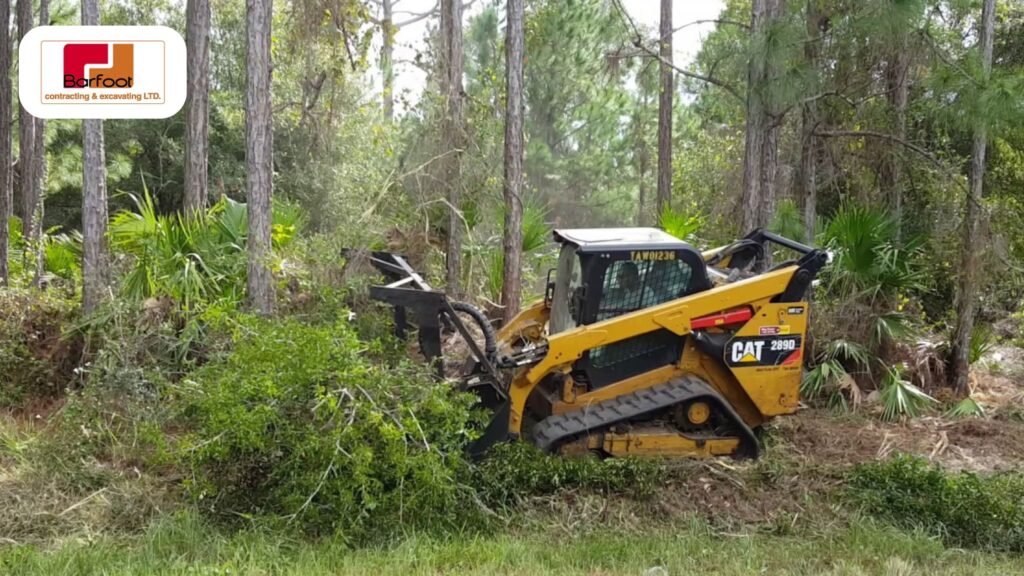
Every property presents its own set of conditions. Some lots contain dense brush, while others include mature trees, uneven terrain, or limited access points. Because of this, using the proper equipment is just as important as choosing the right season.
Experienced excavation contractors select machinery based on the size of the property and the work required. This approach improves efficiency while reducing unnecessary disturbance to surrounding areas. In some situations, projects also benefit from float services nearby, allowing heavy equipment to be transported safely and efficiently between job sites without creating unnecessary delays.
Choosing professionals with the right equipment often leads to smoother scheduling and better overall results.
Plan Ahead for the Best Results
Waiting until construction is ready to begin can place unnecessary pressure on the entire project schedule. Instead, planning several months in advance provides more options for scheduling and allows enough time to prepare the property properly.
Early planning also gives contractors the opportunity to assess site conditions, recommend the best timing, and coordinate any additional excavation work that may be required. As a result, each phase of the project moves forward with fewer interruptions and greater confidence.
Conclusion
The best season for lot clearing depends on the property’s condition, future plans, and local weather rather than a single month on the calendar. Careful planning, proper equipment, and experienced workmanship all contribute to a successful outcome regardless of the season. With 24 years of industry experience, Barfoot Contracting continues to help property owners prepare their land with reliable excavation and clearing services. Their team focuses on practical solutions, quality workmanship, and efficient project planning so clients can move confidently into the next stage of their property improvements.