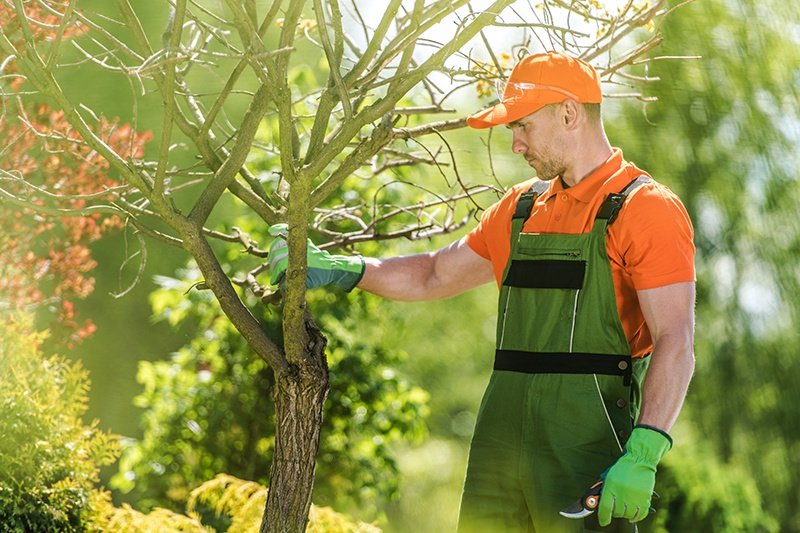
Trees play an important role in a landscape by providing shade, improving curb appeal, supporting wildlife, and adding natural beauty to outdoor spaces. However, winter weather can create challenges for trees of all ages. Freezing temperatures, frost, strong winds, heavy snow, and sudden temperature changes can damage branches, affect roots, and place stress on vulnerable trees.
Although many established trees can tolerate cold weather, proper winter preparation helps them remain healthy and recover when spring arrives. For homeowners in St. Louis, where winter conditions can fluctuate throughout the season, taking a few preventative steps can make a meaningful difference. Understanding how to protect trees from frost and cold is an important part of maintaining a healthy landscape.
1. Water Trees Before the Ground Freezes
Trees need adequate moisture to remain healthy, even as their growth slows during winter. Dry soil can increase stress, particularly for young trees and evergreens that continue losing moisture through their leaves or needles.
Before the ground freezes, check the soil around your trees. If autumn has been dry and the soil is not already saturated, provide a deep watering so moisture reaches the root zone. This is generally more effective than frequent, shallow watering.
Newly planted trees require particular attention because their root systems may not yet extend far into the surrounding soil. During mild winter periods, check soil moisture and water when conditions are suitable. Avoid watering frozen or waterlogged ground, and do not apply water when it is likely to freeze on nearby walkways.
Adequate soil moisture helps trees prepare for winter and may reduce the risk of winter desiccation, especially in evergreen species exposed to cold, dry winds.
2. Apply Mulch Around the Root Zone
Mulching is one of the simplest ways to help protect tree roots from winter temperature fluctuations. A suitable layer of organic mulch helps insulate the soil, retain moisture, and reduce the repeated freezing and thawing that can disturb the ground around roots.
Materials such as shredded bark, wood chips, or suitable leaf mulch can be used around the base of a tree. Apply approximately two to four inches of mulch, spreading it across the root zone where practical.
Keep mulch several inches away from the trunk. Piling it against the bark creates a persistently damp environment and may encourage decay, pest problems, or abnormal root growth.
Avoid creating a tall mound of mulch around the tree. Instead, spread it in a broad, even layer. Proper mulching can be particularly helpful for newly planted trees, whose roots may be more vulnerable to changing soil temperatures.
3. Protect Young Trees From Frost and Cold Winds
Young trees are often more vulnerable to winter damage than mature, established trees. Their bark may be thinner, their root systems less developed, and their branches more susceptible to damage from severe weather.
Some young trees may benefit from a suitable tree guard or protective wrap, particularly when they are exposed to winter sun, temperature fluctuations, or animal damage. Follow the product instructions and ensure the material does not constrict the trunk or trap excessive moisture.
Tree wraps should not automatically be left in place all year. Inspect them regularly and remove or adjust them according to the manufacturer’s guidance and the tree’s needs.
Cold winds can also dry out foliage and increase stress. Where practical, protect vulnerable trees by using appropriate windbreaks or choosing sheltered planting locations for future trees. Avoid covering entire trees with impermeable plastic, which can create moisture and temperature problems.
4. Prune Carefully Before Winter
Pruning helps maintain tree structure, but excessive or poorly timed cutting can create unnecessary stress. Before winter, inspect trees for dead, broken, diseased, or damaged branches that may pose a risk.
Removing hazardous branches when conditions are appropriate can reduce the chance of falling limbs during storms. However, the best pruning time depends on the tree species, the condition of the tree, and the type of pruning required.
Avoid heavy pruning simply because winter is approaching. Some trees are better pruned during dormancy, while others may have specific timing requirements to reduce disease risks. Research the needs of individual species before making major cuts.
Never attempt to remove large branches near power lines or work at dangerous heights without proper training and equipment. A qualified tree care professional can assess structural concerns and carry out difficult pruning safely.
5. Prevent Damage From Snow and Ice
Heavy snow and ice can place considerable weight on tree branches, causing them to bend, crack, or break. Trees with weak branch connections, dense canopies, or existing structural problems may be particularly vulnerable.
After snowfall, inspect your trees from a safe distance. If light, loose snow accumulates on accessible branches, it may be possible to gently brush it away using a soft broom. Work from the ground where possible, and avoid striking or shaking branches, especially when they are frozen and brittle.
Do not attempt to remove thick ice from branches. Chipping ice or forcing frozen limbs to move can cause additional damage. Allow the ice to melt naturally, and keep people away from branches that appear unstable.
If a large limb cracks or hangs dangerously, contact a qualified tree care professional. Prompt assessment can help reduce the risk of further damage to people, buildings, vehicles, and surrounding plants.
6. Protect Tree Trunks From Winter Damage
Tree trunks can experience damage from temperature fluctuations, animals, and outdoor equipment. One concern is sunscald, which can occur when winter sunlight warms bark during the day and temperatures drop sharply at night. This is more common in some young trees and species with thin bark.
Appropriate tree guards or purpose-made trunk wraps may help protect susceptible trees. Use materials designed for tree protection, and follow the recommended installation and removal instructions.
Small animals may also chew bark during winter when other food sources are limited. Inspect the base of young trees for gnawing or other damage, and use suitable physical barriers where needed.
Keep lawn mowers, string trimmers, and other equipment away from trunks throughout the year. Bark injuries can weaken trees and create entry points for pests or disease.
7. Avoid Fertilizing at the Wrong Time
Applying fertilizer late in the growing season may encourage tender new growth that does not have enough time to harden before freezing weather. This growth can be more vulnerable to cold damage.
Instead of automatically fertilizing trees before winter, focus on soil health, adequate moisture, and appropriate mulching. If a tree shows poor growth or signs of nutrient deficiency, a soil test can help determine whether fertilizer is needed.
Fertilizer is not a solution for every tree health problem. Symptoms such as yellow leaves, sparse foliage, or weak growth may also be caused by drainage issues, pests, disease, or root damage. Identifying the underlying cause helps prevent unnecessary treatments.
8. Schedule a Professional Tree Health Inspection
Winter is a useful time to assess the condition and structure of many deciduous trees because their branches are easier to see after leaves have fallen. Look for cracks, dead limbs, damaged bark, leaning trunks, and branches growing too close to buildings.
Some problems may not be obvious to homeowners, particularly when structural weaknesses occur high in the canopy or near major branch connections. A professional inspection can help identify potential hazards and recommend suitable maintenance.
Homeowners in St. Louis can explore Garden Beautiful STL’s tree care services for guidance on maintaining trees as part of a healthy landscape. Professional advice can help determine which trees need pruning, protection, or further assessment before severe weather arrives.
Conclusion
Protecting trees from frost and cold starts with preparation and regular observation. Deep watering before the ground freezes, proper mulching, protecting young trees, careful pruning, and monitoring for snow and ice damage can help reduce winter stress.
Because trees differ in their cold tolerance, the best care practices depend on their species, age, location, and overall health. By adapting maintenance to local weather conditions and addressing potential problems early, St. Louis homeowners can help their trees withstand winter and remain an important part of the landscape for years to come.