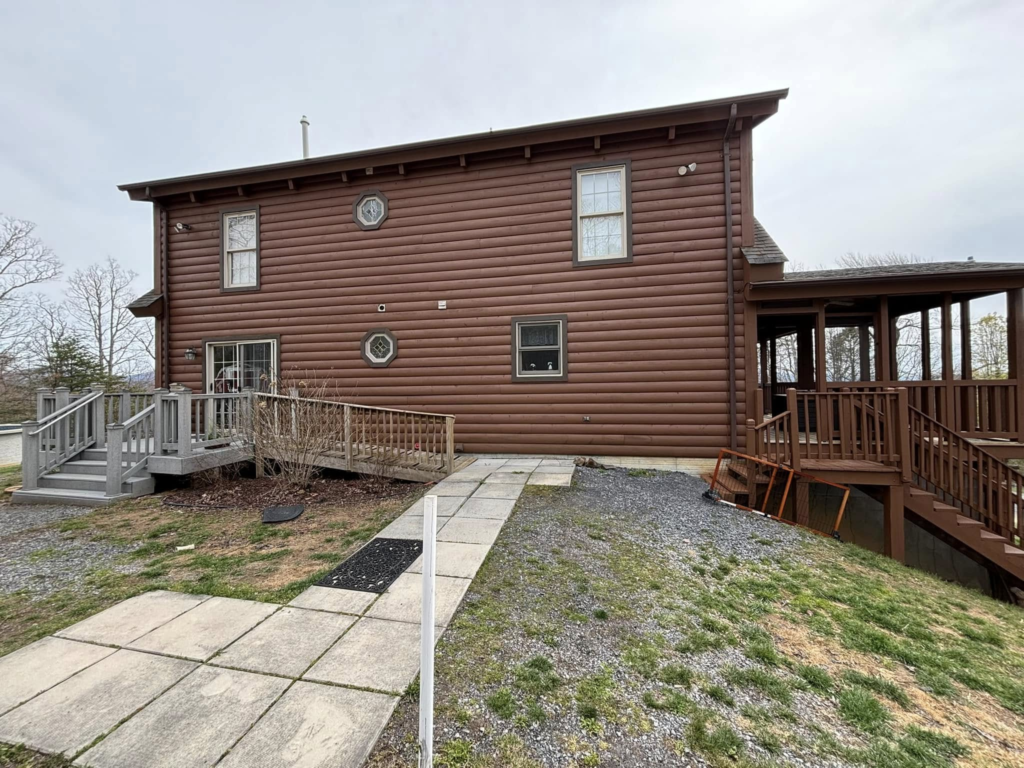
Timber homes have a character that modern buildings just can’t copy. They feel warm, solid, and built to last. But here’s the thing. They don’t stay that way on their own. A lot of owners wait until they see obvious damage before calling someone, and by then the repair bill is usually bigger than it needed to be. If you’ve ever searched for log cabin repair near me Winchester Virginia , chances are something already caught your eye. A small crack. Water stains. Maybe a draft that wasn’t there last winter. Regular inspections aren’t exciting, I know. Still, they’re one of the easiest ways to keep a timber home standing strong for decades instead of constantly fixing expensive problems.
Why Timber Homes Need Regular Attention
Wood is tough, but it’s still a natural material. It expands when humidity goes up, shrinks when things dry out, and reacts to weather year after year. That’s normal. What isn’t normal is ignoring those changes until they become structural issues.
A good inspection catches those little warning signs early. Tiny checks in the logs. Moisture getting where it shouldn’t. Insects starting to move in. None of these usually appear overnight. They build slowly. That’s actually the good news because slow problems are often cheaper to fix if somebody spots them in time.
Small Problems Don’t Stay Small
People tend to think, “It’s only a little crack.” Maybe it is. Today.
Six months later that same crack lets in moisture. Moisture encourages rot. Rot weakens the timber. Then you’re replacing sections of logs instead of sealing a surface crack. That’s how maintenance turns into restoration.
I’ve seen homeowners put things off because life gets busy. Happens to everyone. Then one repair becomes three. That’s where inspections really earn their keep. They stop that chain reaction before it gets expensive.
Moisture Is Usually the Biggest Enemy
Most timber homes don’t fail because the wood suddenly becomes weak. Water usually gets there first.
An inspection checks roof lines, flashing, gutters, window frames, and anywhere rainwater can sneak inside. Even poor drainage around the foundation can slowly create moisture problems that aren’t obvious until years later.
If logs stay damp for long periods, fungi and decay don’t need much encouragement. Keeping moisture under control is probably the single biggest thing you can do for the life of a timber home.
Seasonal Changes Can Create Hidden Damage
Every season brings something different.
Winter can leave behind ice damage and trapped moisture. Spring often reveals shifting soil and drainage issues. Summer heat dries logs faster than expected. Fall is when leaves clog gutters and hold moisture against the structure.
Doing inspections once a year is helpful. Twice a year is even better, especially before winter settles in. The changes between seasons aren’t always dramatic, but they add up over time.
Pests Don’t Always Leave Obvious Clues
People usually expect to see insects crawling around if there’s a pest problem. Honestly, that’s not how it works most of the time.
Wood-boring insects, carpenter ants, and even termites can stay hidden while slowly damaging structural timber. Small holes, sawdust-like material, or soft spots may be the only clues in the beginning.
Regular inspections give someone the chance to notice these subtle signs before major structural repairs become necessary. Waiting until damage is visible often means the infestation has already been active for quite a while.
Protective Finishes Need Checking Too
Stains and sealants don’t last forever. Sunlight wears them down. Rain washes away protection little by little. Wind doesn’t help either.
A faded finish isn’t only about appearance. Once protective coatings begin breaking down, moisture has a much easier path into the wood.
During inspections, worn areas can be identified before the entire exterior needs extensive refinishing. Touch-up work almost always costs less than complete restoration.
Regular Inspections Save Money Over Time
Nobody enjoys paying for maintenance. That’s just reality.
But spending a little on routine inspections usually beats paying thousands for replacing damaged logs, repairing structural framing, or dealing with widespread rot.
Think about it like servicing a vehicle. Skip every oil change and eventually the engine reminds you why that wasn’t a smart idea. Timber homes work in much the same way. Consistent care keeps bigger expenses from showing up later, usually when you least expect them.
Professional Eyes Catch What Homeowners Often Miss
Most homeowners know their property better than anyone else. They notice changes. They spot new cracks or discoloration.
Even so, experienced timber specialists often notice things that aren’t obvious. They understand how logs settle, where water typically enters, and what early-stage decay actually looks like. Sometimes a problem looks serious but isn’t. Other times something that appears harmless is quietly getting worse.
That’s why combining your own regular walk-around with periodic professional inspections makes good sense.
Don’t Ignore Maintenance Between Inspections
Inspections aren’t the finish line. They’re really the starting point.
If an inspection identifies loose flashing, clogged gutters, damaged chinking, or areas needing log house caulking, taking care of those repairs sooner rather than later makes a huge difference. Delaying recommended maintenance usually gives weather more time to make things worse. It’s rarely cheaper to wait, despite what people hope.
Conclusion
Timber homes are built to last, but longevity isn’t automatic. They reward owners who pay attention. A quick inspection today can prevent months of repairs later, and that’s not an exaggeration. Most serious damage starts quietly, almost unnoticed, before growing into something far more expensive.
If you stay consistent, fix small issues when they appear, and don’t ignore the signs your home gives you, your timber house can remain strong, comfortable, and beautiful for generations. It’s not about chasing perfection. It’s simply about catching little problems while they’re still little. That approach has kept timber homes standing for hundreds of years, and it still works today.