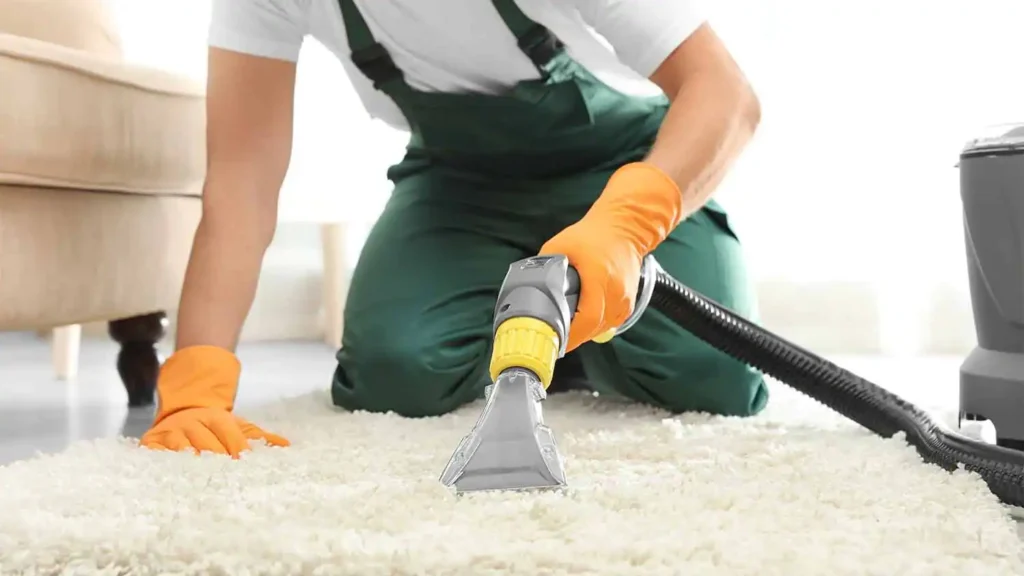
The air inside a home can contain more pollutants than many people realize. Dust, pet dander, pollen, and other particles often settle deep into carpet fibers and remain there for long periods. Many homeowners search for Carpet cleaning near me after noticing allergy symptoms or stale indoor air. Regular carpet maintenance helps remove trapped contaminants, creating a cleaner living environment and supporting better air quality throughout the home.
How Carpets Affect Indoor Air Quality
Carpets act like large filters that collect airborne particles every day. Dust, dirt, pollen, pet hair, and microscopic debris settle into carpet fibers as people move throughout the house.
Although carpets help trap these pollutants, problems can develop when contaminants build up over time. Walking across a dirty carpet can release particles back into the air, allowing family members to breathe them in repeatedly.
Common Pollutants Found in Carpets
Many indoor pollutants accumulate in carpet fibers without being visible. These contaminants often enter homes through shoes, open windows, pets, and daily activities.
Some of the most common pollutants trapped in carpets include:
- Dust mites and their waste
- Pet dander and hair
- Pollen from outdoor plants
- Mold spores
- Dirt and soil particles
- Food crumbs and organic debris
- Bacteria and allergens
Removing these pollutants through routine Carpet cleaning helps improve indoor air quality and creates a healthier home environment.
Why Dust Accumulation Creates Air Quality Problems
Dust may appear harmless, but it can significantly affect indoor air quality. Every step across a carpet can disturb settled dust and send tiny particles into the air.
These particles may circulate through HVAC systems and spread throughout the home. People with allergies, asthma, or respiratory sensitivities often experience increased symptoms when dust levels become excessive.
The Connection Between Allergies and Dirty Carpets
Many allergy sufferers notice worsening symptoms while spending time indoors. Carpets can store large amounts of allergens that trigger sneezing, itchy eyes, congestion, and coughing.
Regular cleaning removes allergen buildup before it reaches problematic levels. As a result, many homeowners experience greater comfort and fewer allergy-related issues after professional cleaning services.
How Pet Owners Benefit From Regular Carpet Maintenance
Pets bring companionship and joy, but they also contribute to indoor air pollution. Pet dander, hair, dirt, and outdoor contaminants can quickly accumulate within carpet fibers.
Even homes with frequent vacuuming may struggle to remove deeply embedded pet-related debris. Professional cleaning methods extract contaminants from below the surface, helping maintain cleaner indoor air and fresher living spaces.
The Role of Moisture in Carpet Contamination
Moisture is one of the biggest threats to carpet cleanliness and air quality. Spills, humidity, and water intrusion can create conditions that support mold and mildew growth.
These microorganisms release spores into the air, potentially affecting respiratory health. Addressing moisture issues quickly and maintaining clean carpets reduces the risk of mold-related air quality concerns.
How Professional Cleaning Removes Deep Contaminants
Household vacuum cleaners are useful for routine maintenance, but they cannot always remove deeply embedded pollutants. Dirt and allergens often settle beneath the surface where standard equipment cannot reach.
Professional Carpet cleaning uses specialized equipment and techniques to extract contaminants from deep within carpet fibers. This thorough process improves cleanliness and supports healthier indoor air conditions.
Hot Water Extraction and Air Quality
Hot water extraction remains one of the most effective cleaning methods available. The process uses heated water and cleaning solutions to loosen dirt and contaminants before removing them with powerful extraction equipment.
This method helps eliminate allergens, bacteria, and trapped debris while reducing residue left behind. Many homeowners notice cleaner air and fresher-smelling rooms after treatment.
Removing Hidden Allergens
Many allergens are too small to see with the naked eye. Dust mites, pollen particles, and microscopic debris can remain trapped even after regular vacuuming.
Professional cleaning targets these hidden contaminants, helping reduce allergen levels throughout the home. This can be especially beneficial during allergy seasons when pollen exposure increases.
Carpet Cleaning and HVAC System Efficiency
Cleaner carpets can also contribute to better HVAC performance. Excessive dust and debris in carpets often become airborne and eventually enter ventilation systems.
Reducing carpet contaminants means fewer particles circulate through ducts and filters. As a result, HVAC systems may operate more efficiently while distributing cleaner air throughout the home.
Signs Your Carpet May Be Affecting Indoor Air Quality
Many homeowners overlook carpet-related air quality problems because the signs develop gradually. Recognizing these indicators can help prevent larger issues from developing.
Watch for these common warning signs:
- Increased allergy symptoms indoors
- Persistent musty odors
- Excessive dust accumulation
- Frequent sneezing or coughing
- Visible stains and dirt buildup
- Reduced freshness in rooms
- Recent water damage incidents
Addressing these issues early often leads to noticeable improvements in indoor comfort.
How Often Should Carpets Be Cleaned?
Cleaning frequency depends on several factors, including household size, pets, and lifestyle habits. Homes with children and pets generally require more frequent cleaning than low-traffic households.
Many industry professionals recommend deep cleaning at least once or twice per year. High-traffic homes may benefit from more frequent service to maintain optimal indoor air quality and carpet condition.
Practical Steps to Keep Carpets Cleaner Between Services
Professional cleaning delivers excellent results, but daily habits also play an important role in maintaining indoor air quality.
Vacuum Consistently
Frequent vacuuming helps remove surface debris before it settles deeper into carpet fibers. Using a vacuum equipped with a quality filtration system can improve effectiveness.
Remove Shoes Indoors
Shoes track dirt, pollen, bacteria, and other contaminants into the home. Establishing a no-shoes policy can significantly reduce the amount of debris entering carpeted areas.
Address Spills Quickly
Prompt cleanup prevents moisture from penetrating deep into carpet padding. Quick action reduces the risk of odors, mold growth, and long-term contamination.
Maintain Indoor Humidity
Keeping humidity levels under control helps prevent moisture-related problems. Proper ventilation and dehumidification can reduce the likelihood of mold development.
Health Benefits of Cleaner Indoor Air
Improved indoor air quality offers advantages for every member of the household. Cleaner air can contribute to greater comfort, especially for individuals with respiratory conditions.
Reduced exposure to airborne contaminants may help minimize allergy symptoms, support easier breathing, and create a fresher living environment. Families often notice an overall improvement in comfort after establishing a regular carpet maintenance schedule.
Why Preventive Carpet Care Saves Money
Routine maintenance is often more cost-effective than waiting for serious problems to develop. Dirt accumulation gradually damages carpet fibers, causing premature wear and reducing carpet lifespan.
Regular cleaning helps preserve appearance and performance while reducing the likelihood of expensive replacement costs. Preventive care also minimizes the risk of moisture-related damage that can lead to larger restoration expenses.
Conclusion
Indoor air quality plays a major role in household comfort and overall well-being. Carpets naturally collect dust, allergens, pet dander, and other pollutants that can affect the air people breathe every day. Regular cleaning helps remove these contaminants before they accumulate to unhealthy levels. Combined with consistent vacuuming, moisture control, and preventive maintenance, professional carpet care supports a cleaner and healthier indoor environment. Investing in routine carpet maintenance not only improves air quality but also extends carpet life, protects home value, and creates a more comfortable space for family members and guests alike.