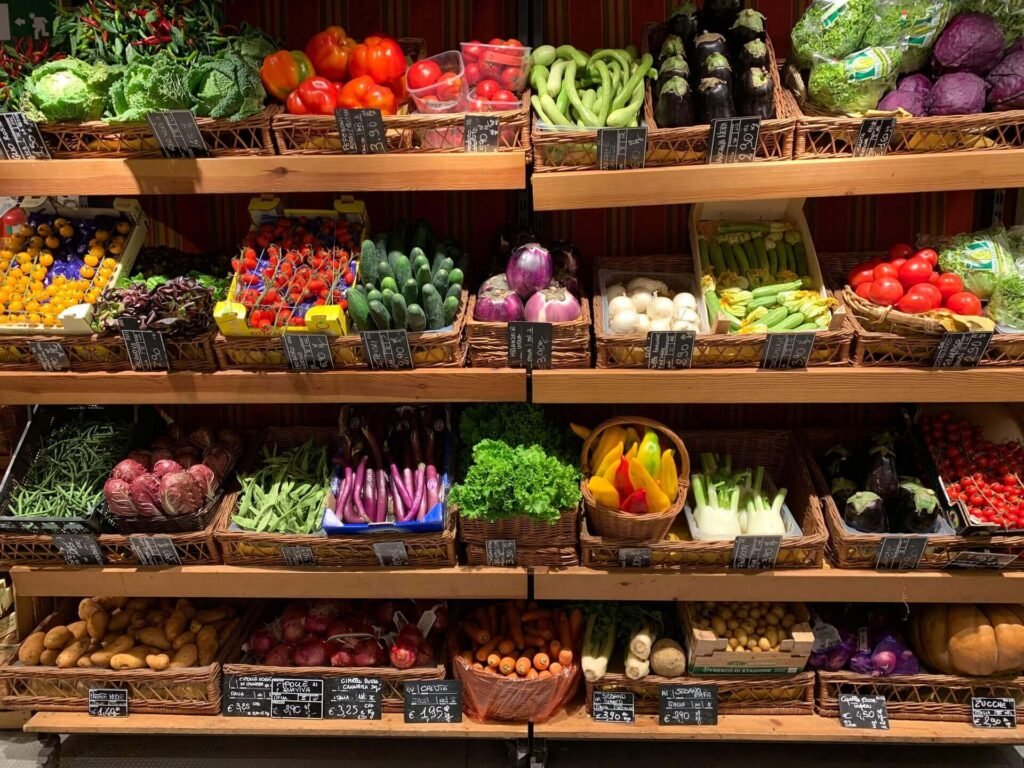
Have you ever wondered why some products appear on store shelves while others never make it into the aisle? Every item in a grocery store is carefully selected through a process that balances customer demand, quality, pricing, and available space. A successful Grocery store savannah must understand what local shoppers want while keeping shelves stocked with products that deliver value, reliability, and consistent sales. These decisions affect both customer satisfaction and business performance.
Understanding Customer Demand
Customer demand is the most important factor when selecting products. Grocery retailers closely monitor shopping habits to understand which items customers buy most often and which products generate repeat purchases.
Stores use sales reports, loyalty programs, and customer feedback to identify buying patterns. This information helps managers decide whether to increase inventory for popular items or remove products that do not sell well. As consumer preferences change, stores adjust their product mix to stay relevant.
Analyzing Local Shopping Preferences
Every community has unique preferences, and stores must adapt to local needs. A product that sells well in one city may not perform the same way in another location.
Managers often study demographics such as age groups, family size, income levels, and cultural backgrounds. This research helps a grocery store stock products that align with local lifestyles. For example, areas with many families may require larger package sizes, while urban neighborhoods may prefer convenient meal options.
Evaluating Sales Performance Data
Sales data provides valuable insights into product performance. Grocery retailers use this information to make informed stocking decisions rather than relying on assumptions.
Reports show which products sell quickly, which remain on shelves too long, and which categories are growing. By reviewing these numbers regularly, managers can improve shelf efficiency and reduce wasted space. This approach also helps maintain healthy inventory levels.
Key Metrics Stores Monitor
Retailers often track several important indicators when evaluating products:
- Weekly and monthly sales volume
- Profit margins
- Inventory turnover rates
- Seasonal demand patterns
- Customer purchase frequency
These metrics help determine whether a product deserves valuable shelf space.
Managing Limited Shelf Space
Shelf space is one of the most valuable assets in any grocery store. Since stores cannot stock every available product, managers must carefully prioritize inventory.
Products that generate strong sales and meet customer needs often receive more prominent placement. Items with low demand may be reduced or removed altogether. Effective shelf management allows stores to maximize sales while maintaining an organized shopping experience.
Considering Product Quality Standards
Quality plays a major role in product selection. Customers expect safe, fresh, and reliable products whenever they visit a store.
Retailers evaluate suppliers and products before adding them to inventory. Quality inspections, supplier certifications, and customer reviews help stores assess whether products meet their standards. Maintaining quality builds trust and encourages repeat visits.
Working With Suppliers and Distributors
Strong supplier relationships contribute significantly to stocking decisions. Reliable suppliers ensure products arrive on time and remain consistently available.
Stores often compare multiple suppliers before making agreements. Factors such as pricing, delivery schedules, product quality, and customer service influence these decisions. A dependable supplier helps reduce inventory shortages and improves overall operations.
Benefits of Reliable Supplier Partnerships
Long-term supplier relationships provide several advantages. Stores gain access to consistent inventory, promotional opportunities, and better communication regarding product availability.
These partnerships also help retailers respond quickly to changing market conditions. As a result, customers are more likely to find the products they need during each visit.
Monitoring Consumer Trends
Shopping habits constantly evolve, making trend analysis essential for grocery retailers. New dietary preferences, health concerns, and lifestyle changes often influence purchasing decisions.
Stores monitor industry reports, market research, and customer feedback to identify emerging trends. Products such as plant-based foods, organic ingredients, and convenient meal solutions have gained popularity because retailers recognized changing consumer interests early.
Balancing Price and Profitability
Retailers must maintain a balance between affordability and profitability. Customers want competitive prices, while stores need sufficient margins to support operations.
Managers evaluate wholesale costs, transportation expenses, and expected demand before stocking products. An item may be popular, but if profit margins are too low, it may not remain on shelves for long. Successful stores find products that satisfy both customer expectations and business goals.
Responding to Seasonal Demand
Seasonal shopping patterns influence product selection throughout the year. Grocery retailers adjust inventory to match customer needs during holidays and special occasions.
For example, stores may increase baking supplies during the winter holiday season or expand outdoor cooking products during summer months. Seasonal planning helps retailers maximize sales opportunities while ensuring customers can find relevant products.
Common Seasonal Product Categories
Certain categories often experience predictable demand changes throughout the year. Fresh produce, beverages, snacks, and holiday-themed products frequently require seasonal inventory adjustments.
By preparing in advance, stores avoid shortages and improve customer satisfaction during busy shopping periods.
Introducing New Products Carefully
Customers often enjoy discovering new products, but retailers must evaluate potential risks before adding unfamiliar items. Introducing too many products at once can create inventory challenges.
Many stores begin with limited test launches. Managers monitor sales performance and customer feedback before deciding whether to expand availability. This approach reduces risk while allowing stores to explore new opportunities.
Using Customer Feedback for Better Decisions
Customer opinions provide valuable insights that data alone cannot reveal. Retailers actively gather feedback through surveys, online reviews, social media interactions, and direct conversations.
Shoppers often suggest products they would like to see in stores. Managers review these requests and identify patterns among customer recommendations. Listening to customers helps create a more satisfying shopping experience and strengthens loyalty.
Maintaining a Balanced Product Mix
A successful grocery store offers a variety of products that appeal to different customer groups. Stocking decisions must balance national brands, private-label products, premium items, and budget-friendly options.
This balanced approach allows shoppers to choose products that fit their preferences and budgets. It also helps stores attract a wider customer base while improving overall sales performance.
Technology’s Role in Inventory Decisions
Modern technology has transformed how grocery retailers manage inventory. Advanced software systems provide real-time information about sales trends, stock levels, and purchasing patterns.
Managers can quickly identify products that need replenishment and predict future demand more accurately. These tools improve efficiency, reduce waste, and support smarter stocking decisions across multiple product categories.
Conclusion
Choosing which products belong on grocery store shelves involves much more than placing popular items in stock. Retailers must evaluate customer demand, sales performance, local preferences, quality standards, supplier relationships, seasonal trends, and profitability. Every decision aims to create a shopping experience that meets customer expectations while supporting business success. By combining data analysis with customer feedback and market awareness, grocery stores can maintain a balanced inventory that keeps shoppers satisfied and encourages them to return. Understanding this process helps consumers appreciate the careful planning behind every well-stocked store.