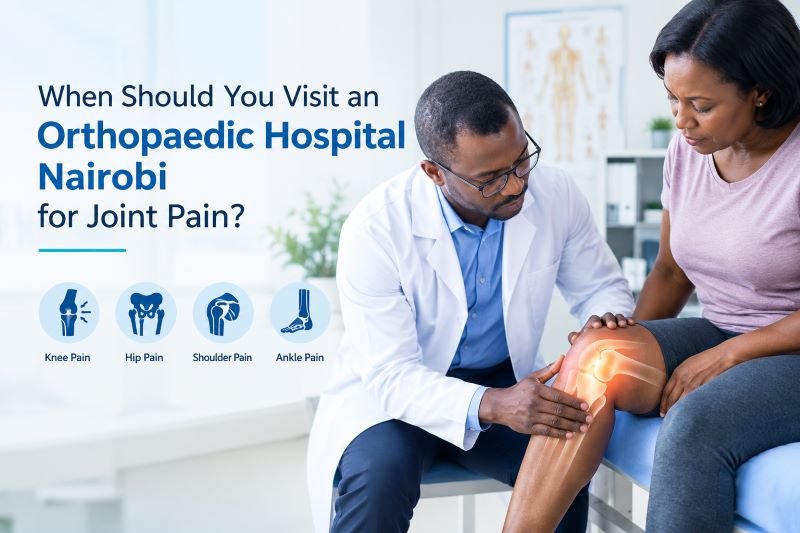
Joint pain can affect almost every aspect of daily life, from walking and climbing stairs to working comfortably or enjoying everyday activities. While occasional discomfort may improve with rest, persistent pain, swelling, stiffness, or reduced movement can indicate an underlying musculoskeletal problem. Knowing when to seek professional help is important for protecting joint health and preventing complications. Visiting an Orthopaedic hospital Nairobi can help you understand the cause of your symptoms, explore suitable treatment options, and receive guidance on restoring mobility and improving your quality of life.
Understanding When Joint Pain Needs Medical Attention
Joint pain may develop gradually due to ageing, repetitive movements, injuries, or conditions affecting cartilage, bones, ligaments, and tendons. In some cases, symptoms appear suddenly following a fall, sports injury, or accident.
Mild discomfort that improves with rest may not always require immediate specialist attention. However, pain that continues for several days, returns frequently, or interferes with daily activities should not be ignored.
You should consider seeking an orthopaedic assessment if you experience persistent knee, hip, shoulder, ankle, or elbow pain. Early evaluation helps identify the possible cause and allows healthcare professionals to recommend an appropriate management plan.
Signs You Should Visit an Orthopaedic Hospital Nairobi
Recognising warning signs can help you decide when professional assessment is necessary. Although joint symptoms vary from person to person, certain changes deserve particular attention.

1. Persistent or Worsening Joint Pain
Pain that continues despite rest and basic self-care may indicate an underlying condition that requires further evaluation. Discomfort that becomes more frequent, worsens at night, or limits routine activities should be assessed by a qualified professional.
An orthopaedic specialist can examine the affected joint, review your medical history, and recommend imaging or other investigations when needed.
2. Swelling, Redness, or Warmth Around a Joint
Swelling may occur after an injury or because of inflammation within the joint. Redness and warmth can sometimes indicate an infection or another condition requiring prompt medical attention.
If joint swelling develops suddenly, especially with severe pain, fever, or difficulty moving the affected area, seek urgent medical care rather than waiting for symptoms to resolve.
3. Difficulty Walking or Performing Daily Activities
Joint problems can gradually affect independence. You may struggle to stand for extended periods, climb stairs, get out of a chair, or walk comfortably.
These limitations can occur with osteoarthritis, ligament injuries, cartilage damage, and other musculoskeletal conditions. An assessment can help determine whether physiotherapy, medication, lifestyle changes, or a surgical procedure may be appropriate.
4. Reduced Movement or Joint Stiffness
Stiffness after waking up or sitting for long periods can sometimes indicate an underlying joint condition. Persistent stiffness, restricted movement, or difficulty fully bending or straightening a joint should be evaluated.
A suitable treatment plan may help improve flexibility, maintain strength, and reduce discomfort.
What Conditions Can an Orthopaedic Specialist Treat?
Orthopaedic professionals assess a wide range of conditions affecting bones, joints, muscles, ligaments, tendons, and the spine. Understanding the possible cause of joint pain is essential because different conditions require different approaches.
Common conditions include:
-
Osteoarthritis: A joint condition involving the gradual breakdown of cartilage, often affecting the knees and hips.
-
Sports injuries: Damage to ligaments, tendons, cartilage, or other structures following physical activity.
-
Fractures: Broken bones caused by falls, accidents, or other injuries.
-
Ligament injuries: Damage that can cause pain, swelling, and joint instability.
-
Chronic joint inflammation: Conditions that may cause recurring pain, swelling, and stiffness.
-
Hip and knee problems: Conditions that can reduce mobility and sometimes require joint replacement surgery.
A detailed assessment helps establish the likely diagnosis and identify the most appropriate treatment options for your individual needs.
How an Orthopaedic Surgeon Nairobi Can Help
An Orthopaedic surgeon Nairobi patients consult can evaluate joint symptoms, identify structural problems, and recommend treatment based on the severity of the condition.
The process usually begins with a discussion of your symptoms, medical history, previous injuries, and daily activity levels. A physical examination may assess joint movement, tenderness, strength, and stability. X-rays, MRI scans, blood tests, or other investigations may be recommended when clinically appropriate.
Depending on the diagnosis, treatment may include activity modification, prescribed medication, physiotherapy, rehabilitation, injections in selected cases, or surgery when necessary.
Surgery is not always the first option. Many joint conditions can initially be managed with non-surgical treatments, depending on the diagnosis and the patient’s overall health.
Choosing the Right Orthopaedic Hospital Nairobi for Joint Care
Selecting an appropriate healthcare facility is an important step towards effective joint care. Patients should look for a centre that offers thorough assessment, clear communication, suitable diagnostic support, and individualised treatment planning.
When considering an Orthopaedic hospital Nairobi, pay attention to the following factors:
-
Qualified specialists: Look for experienced orthopaedic professionals with expertise relevant to your condition.
-
Diagnostic facilities: Appropriate investigations can help establish an accurate diagnosis.
-
Treatment options: Access to conservative care, surgical assessment, and rehabilitation supports comprehensive management.
-
Patient communication: Your healthcare team should explain the diagnosis, expected benefits, potential risks, and available alternatives.
-
Rehabilitation support: Physiotherapy and guided recovery can help restore strength and mobility after an injury or procedure.
Revive Orthopedic and Spine Centre focuses on orthopaedic and spine care, helping patients understand their conditions and consider appropriate treatment options based on their clinical needs.
When Is Surgery Necessary for Joint Pain?
Surgery may be considered when joint damage is significant, pain persists despite appropriate non-surgical treatment, or mobility becomes severely restricted.
For example, advanced osteoarthritis affecting the hip or knee may lead to a discussion about joint replacement. Certain fractures, severe ligament injuries, and other structural problems may also require surgical intervention.
The decision depends on several factors, including the diagnosis, symptom severity, overall health, activity level, and response to previous treatment. Consulting the Best orthopaedic surgeon in Nairobi for an informed assessment can help you understand whether surgery is appropriate or whether other options should be explored first.
Patients should discuss expected recovery time, possible complications, rehabilitation requirements, and realistic outcomes before making a treatment decision.
Frequently Asked Questions (FAQs)
1. When should I see an orthopaedic specialist for joint pain?
Seek an assessment when pain persists, worsens, repeatedly returns, or affects walking and daily activities. Sudden severe pain, significant swelling, deformity, or inability to bear weight may require urgent medical attention.
2. Can joint pain improve without surgery?
Yes. Depending on the underlying cause, treatment may involve physiotherapy, activity modification, prescribed medication, and other non-surgical approaches. Surgery is considered when clinically appropriate.
3. What happens during an orthopaedic consultation?
The specialist typically reviews your symptoms and medical history, examines the affected joint, and recommends investigations if necessary. A treatment plan is then developed according to the findings.
4. Is joint stiffness always a sign of arthritis?
No. Stiffness can result from inactivity, injury, inflammation, or several other conditions. Persistent or worsening stiffness should be evaluated to identify the cause.
5. How can I protect my joints from further problems?
Maintaining a healthy weight, staying physically active within your abilities, using appropriate exercise techniques, and following professional advice can help support joint health.
Conclusion
Joint pain should not be ignored when it begins affecting comfort, movement, sleep, or independence. Early assessment can help identify the underlying problem and guide treatment before symptoms become more difficult to manage. Whether you are experiencing persistent knee pain, hip stiffness, swelling, or difficulty walking, seeking professional guidance is a sensible step. At Revive Orthopedic and Spine Centre, an assessment at an Orthopaedic hospital Nairobi can help you explore suitable care options, understand your condition, and work towards better mobility and a more active daily life.