Knee pain has become one of those problems that sneaks into everyday life and refuses to leave. It doesn’t really matter if you’re in your thirties, sixties, or somewhere in between. One day you’re walking up the stairs without thinking about it, and the next you’re grabbing the handrail because your knee feels stiff, sore, or unstable. For some people it’s old sports injuries. For others it’s arthritis, inflammation, long work shifts, or simply years of wear and tear. Whatever the cause, people are searching for solutions that don’t involve endless medications or invasive procedures. That’s where a machine for knee pain relief has started getting serious attention.
The reason is pretty simple. Most people want something they can use at home. They don’t want to schedule appointments every week. They don’t want to rely on pain pills every day either. Modern pain relief devices offer a practical middle ground. Many use heat therapy, air compression, vibration, or massage technology to improve circulation and reduce stiffness. Some combine multiple functions into a single unit. The appeal isn’t complicated. You sit down, put the device on, turn it on, and let it work. No complicated setup. No special training. Just straightforward relief that fits into daily life. And honestly, for someone whose knees ache after standing all day, convenience matters more than fancy marketing claims.
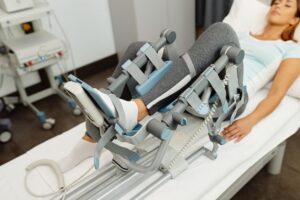
Understanding What Actually Causes Knee Pain
Most folks searching for relief don’t realize their soreness might stem from many sources. Not every ache means the same thing. Machines won’t fix everything automatically. Trouble often hides behind labels like swelling or stiffness. One common source of long-term issues? Joint wear tied to aging. That’s where diagnosis matters – guessing rarely works out well. Friction builds up when the protective cartilage inside a joint slowly erodes over time. Ligaments sometimes give way under stress, while meniscus damage sneaks in without warning. Tendons react poorly to repeated strain, especially in those who move constantly. Overdoing physical effort leads to trouble just as often as sudden trauma does.
Most times, the hurt doesn’t start with a serious accident. Poor posture during daily tasks plays a role, along with underused muscle groups, carrying extra pounds, or doing the same motion too much. Sitting all day at a desk brings tightness for some folks. Others who bend down often or carry heavy loads face ongoing tension. Each person moves through life differently. Combining several methods usually helps more than relying on just one fix.
Most knee therapy tools won’t repair physical harm overnight. Still, their real value lies in how they handle discomfort. By boosting circulation, calming nearby muscles, cutting down inflammation, plus softening tightness near the area – they shift daily life just enough. Small wins add up: standing takes less effort. Morning routines feel smoother. tasks like reaching shelves or stepping into a car? less strain, more ease.
How Modern Knee Relief Devices Actually Work?
Most folks picture big, clunky gadgets when they think of devices that ease pain, not so true these days. Tiny tech now fits in your hand, costs less, yet works better than expected. Relief for sore knees? Modern versions pack multiple healing tricks inside a small gadget you wear. warmth still draws plenty of fans among treatment options,stiff areas often relax when heated, blood flow near the knee picks up too, movement tends to glide easier some say, particularly right after waking. pressure gets built into lots of designs these days. Swelling may ease under soft squeezing, stability rises while healing happens.
Vibration features show up in certain gadgets. Muscles respond when those shakes ripple through, easing tightness along the way. Pulse-based models take a different route – light waves dive beneath the surface layers instead. Findings keep shifting as studies roll on, yet plenty of people notice a brief break from discomfort after using them. most gains show up when routines stick,sometimes people see a therapist weekly, maybe even two times. at home, gadgets fit into each day easier. Little by little, repeating steps adds up in quiet ways. Home therapy tools are seeing more interest lately because access matters. Whenever someone needs them, they’re there – no waiting for a scheduled visit.
Benefits of Using a Knee Pain Relief Machine at Home?
Pain sticks around without warning. After moving too much, it might kick in. When skies turn gray and air gets sharp, there it is again. Out of nowhere, even on calm days, it finds its way back. A device sitting nearby means help arrives fast, right when things start to ache. most people find it fits easily into daily life. No trips required. Scheduling nothing around anyone else’s time. Skipping the lines, the delays, the back-and-forth, a signal comes from within – use it then.
Over time, staying active can make moving easier. As soon as soreness eases, motion usually picks up. With every extra step, joints get better feedback. This loop keeps going on its own. Feeling better means doing more – motion feeds strength and smooth bending near the knee. comfort matters too. Some people notice their mind unwinds just as much as their body during focused care time, dealing with ongoing discomfort takes energy. a stretch of twenty or thirty minutes sitting still, warmed by steady heat or gentle pressure, often brings an unexpected sense of relief.
Spending matters just as much. Good gear might cost more at first, yet it could cut down how often you need follow-up appointments later. Not about swapping out expert help when truly needed. Just bringing one more option into the mix for handling things day to day.
Choosing the Right Machine for Your Specific Needs
Most people assume every ache around the knee works alike however solutions differ sharply depending on specifics. Mistakes pop up when shoppers act too fast. A flashy ad catches attention then review snippets add false confidence yet health needs stay unexamined. Buying happens before thinking matches reality. heat plus squeezing often works best for stiff joints caused by arthritis. Recovery after hard exercise? that kind is usually helped more by rubbing motions and gentle shaking. Swelling brings different needs – tightness you can tweak tends to matter a lot there. Spotting what bothers you most makes picking easier, cuts out the noise. most folks ignore how crucial comfort really is. Yet when gear sits wrong on the body, usage tends to drop fast. Straps that adapt, low weight, along with buttons you just understand – these matter more than assumed. Machines overloaded with functions? Frequently wind up gathering dust somewhere.
Out in the open, battery run time plays a role. when devices pack up easily, folks keep moving without stopping treatment. Watching TV might pair with browsing pages or typing on a keyboard for some. Because of extended charge cycles, shifting between tasks stays smooth. start by thinking about how well it’s made. these gadgets move a lot, day after day, so they take some punishment. tough parts and solid assembly tend to pay off over time. what seems like a bargain at first might cost more later, especially if you’re replacing it before the year ends.
The Role of Heat, Compression, and Massage Therapy
Heat sticks around because it helps loosen stiff joints. Since warmth opens things up, bodies tend to respond well when cooled muscles get cozy again. Compression shows up everywhere since holding things tight can reduce swelling without much fuss. Pressure brings down puffiness while staying out of the way. Massage keeps pace by nudging blood flow forward, one pulse at a time. Rubbing motions stir circulation where legs need it most. These three stay on top – not loud, just effective.
Warmth gets blood moving, which sometimes eases tension around stiff joints. For people with arthritic knees, that soothing warmth often means less grinding resistance when they start to move. As the joint loosens with heat, daily motions become smoother by comparison. early-day activity gains a quiet edge when warmth leads the way. pressure changes how things flow. When squeezed just right, the body might move fluids better. Some runners wear tight sleeves after hard workouts. That snug wrap can make knees feel more secure.
When your muscles hum with tiny pulses, tightness begins to fade. Not just any pulse – rhythmic nudges that wake up quiet tissue, tension near the knee often tugs harder on the joint without warning. loosening those fibers changes how pressure settles. Relief slips in when movement eases, almost by accident. top gadgets usually mix all three jobs at once. Rather than sticking to just one kind of relief, these tools build a fuller healing moment. People shape each round around how they feel that day plus what they like most. heat wins some mornings without question. some days call for squeezing things down instead. Since ache shows up in strange ways, staying loose helps. What shifts is how tight you need to be.
Common Mistakes People Make When Managing Knee Pain
It often takes just a moment to notice something feels off. Yet most wait until it’s hard to ignore. Knee soreness might fade without help – but then again, maybe not. When left alone, little things grow teeth. What started small piles up into something heavier. most people think results should show right away, yet no device fixes long-term knee damage in just one night. Such hopes miss reality entirely. Relief comes more often through steady use instead of sudden breakthroughs. Progress grows slowly when repeated day after day. most folks zero in on easing symptoms, yet skip what’s feeding the problem. Too much weight piles pressure on knees, just like bad shoes do. Weak legs add strain, especially if movement gets rare. When daily choices support health, treatment tools perform better. lifestyle shifts? they quietly boost results.
Sometimes using too much causes problems. better results come from less, not more. stick to the maker’s directions – ask a doctor if unsure. Small steps beat intense routines when looking ahead. Long-term gains favor balance over force. some people pick gadgets just because they cost less. even though money is a factor, what really counts is how good it feels, works, and lasts. getting full use from a thoughtfully built unit beats relying on a cheap one that underperforms every time.
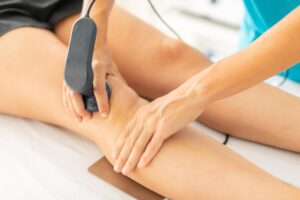
Building a Long-Term Strategy for Healthier Knees
Most times, handling knee discomfort well means going beyond just one fix, picture a device meant to ease knee issues as part of something bigger. while it may help reduce symptoms noticeably, better outcomes tend to appear when different smart daily choices join together. most days, staying active matters more than people think. Moving slowly through walks or water eases stiffness without pushing too hard. Stretching each morning keeps things loose; lifting light adds quiet power over time. Muscles that hold the knee steady take stress off fragile spots. Carrying less weight shifts load in ways small changes reveal clearly. every pound lost means four fewer pressing down when stepping forward.
Rest plays a role just as much as effort. Day by day, plenty of folks keep moving despite soreness, skipping real downtime for healing. Here’s when tools like therapy gear start making sense. time set aside for repair grows more likely, while routines begin shifting toward looking after oneself. body signals matter most. When discomfort lingers, it needs a closer look. Relief tools help, yet they do not replace expert advice if issues persist or intensify. Lasting improvement – not short fixes – is what counts. years down the line, moving freely means keeping daily life steady. Knee care shapes how well that stays true over time.
Conclusion
Finding the right machine for knee pain relief can make a noticeable difference for people dealing with daily discomfort, stiffness, or swelling. While no device offers a miracle cure, many provide practical support through heat, compression, and massage technologies that help improve comfort and mobility. The key is choosing a solution that matches your needs and using it consistently as part of a broader knee health strategy. When combined with movement, proper recovery, and healthy lifestyle habits, modern knee massagers can become a valuable tool for managing pain and staying active.
Frequently Asked Questions
1. Does a machine for knee pain relief really work?
Many users experience temporary relief from pain, stiffness, and swelling through features like heat therapy, compression, and massage. Results vary depending on the underlying cause of the knee discomfort.
2. How often should I use a knee pain relief machine?
Usage recommendations depend on the specific device and manufacturer guidelines. Most people use them daily or several times per week as part of a regular pain management routine.
3. Are knee therapy machines safe for arthritis sufferers?
In many cases, yes. Heat and compression features are commonly used to help manage arthritis-related stiffness and discomfort. However, individuals with medical conditions should consult their healthcare provider before use.
4. What should I look for when buying knee massagers?
Focus on comfort, adjustable settings, therapy options, battery life, durability, and ease of use. The best device is one that matches your symptoms and can be used consistently.