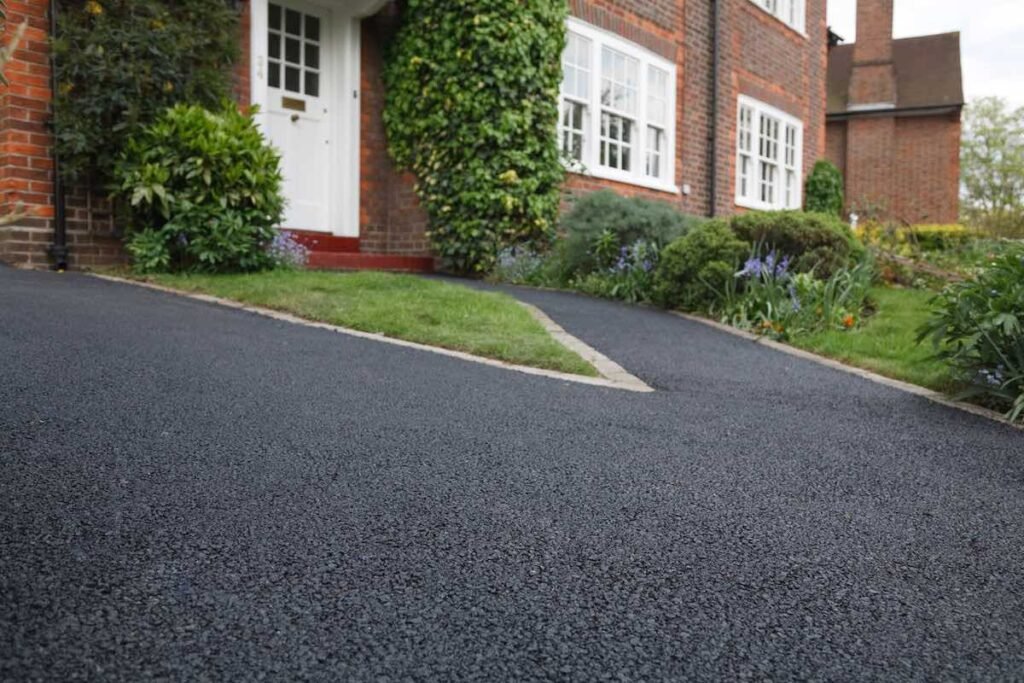
A durable asphalt surface is the result of careful planning, suitable materials, skilled installation, and consistent maintenance. Whether a property owner is considering a new driveway, repairing an existing parking area, or developing an access road, the quality of the construction process plays a major role in how well the finished pavement performs. Poor preparation or inadequate drainage can lead to premature cracking, surface deterioration, and expensive repairs.
For property owners researching asphalt paving in Vancouver WA, understanding the factors behind a successful paving project can make the decision-making process much easier. Vancouver’s seasonal rainfall and changing weather conditions create specific considerations for asphalt construction. Choosing the right materials, preparing the ground correctly, and working with experienced professionals can help create a surface that remains functional, attractive, and dependable for years.
1. Proper Site Evaluation and Project Planning
Every successful asphalt project begins with a thorough assessment of the property. Before construction starts, contractors should examine the existing ground, property layout, intended pavement use, and surrounding drainage conditions. These details help determine the appropriate construction approach.
For example, a residential driveway used by passenger vehicles has different requirements from a commercial parking lot that regularly accommodates delivery trucks. Understanding the expected traffic volume and vehicle weight allows contractors to recommend a suitable pavement design.
Site evaluation should also identify existing problems such as uneven ground, soft soil, standing water, and damaged pavement. Addressing these issues before installation helps prevent complications that could affect the finished surface.
2. Soil Stability and Foundation Preparation
The foundation beneath asphalt is one of the most important factors influencing pavement durability. Even high-quality asphalt can develop problems when installed over weak, poorly compacted, or unstable ground.
Assessing Existing Soil Conditions
Different soil types respond differently to moisture and pressure. Some may retain water, while others can shift or settle under repeated vehicle loads. Contractors should evaluate the existing conditions to determine whether excavation, soil improvement, or additional base preparation is necessary.
In areas around Vancouver, where rainfall can affect ground conditions, understanding soil stability is particularly important. A foundation that becomes saturated may lose its ability to support the pavement effectively.
Installing a Suitable Aggregate Base
After preparing the ground, contractors typically install a compacted aggregate base. Crushed stone and similar materials provide structural support while helping distribute vehicle loads across the underlying soil.
The appropriate base thickness depends on soil conditions, pavement design, and expected traffic. Proper compaction is equally important because loose aggregate can settle over time, resulting in depressions, cracks, and uneven surfaces.
3. Asphalt Material Selection and Quality
The materials used during construction directly influence the strength, flexibility, and appearance of the finished pavement. Asphalt mixtures generally contain aggregates combined with a bituminous binder, but their composition can vary depending on the intended application.
Selecting the Appropriate Asphalt Mix
Different asphalt mixes are designed for different traffic conditions and performance requirements. Factors such as aggregate size, binder characteristics, and mixture consistency affect how the pavement responds to vehicle pressure and environmental exposure.
For residential projects, contractors should consider the driveway’s expected use, turning movements, parking requirements, and existing site conditions. Commercial applications may require a different mix and pavement structure to accommodate heavier or more frequent traffic.
Understanding Installation Quality
Good materials alone cannot guarantee a durable result. Asphalt must be placed, distributed, and compacted correctly to achieve a consistent surface.
Improper handling or inadequate compaction can leave weak areas that become vulnerable to water penetration and premature deterioration. Property owners should ask contractors how they maintain material consistency and monitor installation quality throughout the project.
4. Effective Drainage and Water Management
Water management is especially important for asphalt projects in Vancouver, Washington. Frequent rainfall can expose weaknesses in pavement construction, particularly when the surface or supporting base allows water to accumulate.
Standing water may gradually penetrate small cracks and weaken the underlying aggregate. Over time, this can contribute to potholes, surface separation, and structural damage.
Establishing Proper Surface Grading
A properly designed asphalt surface should direct water toward suitable drainage areas rather than allowing it to collect in low spots. Contractors must consider the property’s elevation, surrounding structures, landscaping, and existing drainage systems.
The correct slope helps protect the pavement while reducing the possibility of water moving toward garages, foundations, and other sensitive areas.
Maintaining Drainage Features
Driveway drains, drainage channels, and nearby water outlets should remain clear and functional. Leaves, soil, and other debris can obstruct water movement, creating avoidable drainage problems.
Property owners should include drainage inspections as part of their regular pavement maintenance routine.
5. Proper Asphalt Thickness and Compaction
Pavement thickness should reflect the expected demands of the project. A driveway designed for occasional passenger vehicle use may not require the same structural capacity as a parking area exposed to frequent commercial traffic.
Contractors should evaluate vehicle loads, soil conditions, and the strength of the aggregate base before recommending asphalt thickness. Applying an insufficient asphalt layer can increase the likelihood of cracking, rutting, and premature surface failure.
Compaction is another essential consideration. Asphalt must be compacted properly while it remains within the appropriate temperature range. This process helps create a dense, stable surface with fewer spaces through which moisture can enter.
Property owners should request clear explanations of the proposed pavement structure rather than relying on a general estimate without technical details.
6. Weather Conditions and Installation Timing
Weather can influence the quality of asphalt installation. Temperature, rainfall, and moisture conditions affect how asphalt behaves during transportation, placement, and compaction.
Installing asphalt during unsuitable weather can create difficulties in achieving proper density and surface consistency. Rainfall and wet ground conditions may also interfere with foundation preparation.
In the Vancouver area, scheduling should account for seasonal weather patterns. Contractors should assess current site conditions and select an appropriate installation window rather than rushing the project.
Good scheduling also allows enough time for excavation, grading, base preparation, paving, and finishing. Each stage contributes to the overall quality of the completed surface.
7. Regular Maintenance and Early Repairs
Even a professionally installed asphalt surface requires ongoing care. Routine maintenance helps protect the pavement from environmental exposure and everyday vehicle use.
Some useful maintenance practices include:
- Regular cleaning: Remove leaves, dirt, and debris to prevent drainage obstructions.
- Crack sealing: Address small cracks before water reaches the underlying foundation.
- Pothole repairs: Repair damaged areas promptly to prevent deterioration from spreading.
- Sealcoating: Consider applying an appropriate protective coating when the asphalt is ready for treatment.
- Drainage inspections: Check surrounding drainage features, especially after periods of heavy rainfall.
- Surface monitoring: Look for depressions, edge damage, and unusual changes in pavement texture.
It is also important to understand that sealcoating is not a substitute for structural repairs. If the underlying base has failed, the problem must be addressed before applying a protective surface treatment.
8. Choosing the Right Asphalt Contractor
Selecting a qualified contractor can significantly influence the outcome of a paving project. Property owners should look beyond the initial quotation and evaluate the contractor’s approach to planning, preparation, materials, and installation.
Ask for a detailed written estimate that explains excavation requirements, aggregate base preparation, asphalt thickness, drainage considerations, and labor costs. It is also useful to ask about project timelines, workmanship warranties, and recommended maintenance.
A reliable professional should be willing to explain the proposed process and answer questions without making unrealistic promises. Comparing multiple estimates can help homeowners understand differences in project scope and avoid choosing an option based entirely on price.
Property owners planning excavation, grading, or paving-related improvements may also consider Brynion Excavation when evaluating suitable contractors for their project. Discussing the property’s existing conditions, intended use, and preparation requirements can help establish a practical approach to achieving a stable and functional paved surface.
Conclusion
Durable asphalt construction depends on several connected factors, including proper site assessment, soil preparation, quality materials, effective drainage, correct compaction, and regular maintenance. For Vancouver property owners, accounting for rainfall and changing weather conditions is particularly important when planning a driveway or parking area. Before beginning your next paving project, consult an experienced professional, compare detailed estimates, and make sure every stage of construction is carefully considered to achieve dependable long-term performance.