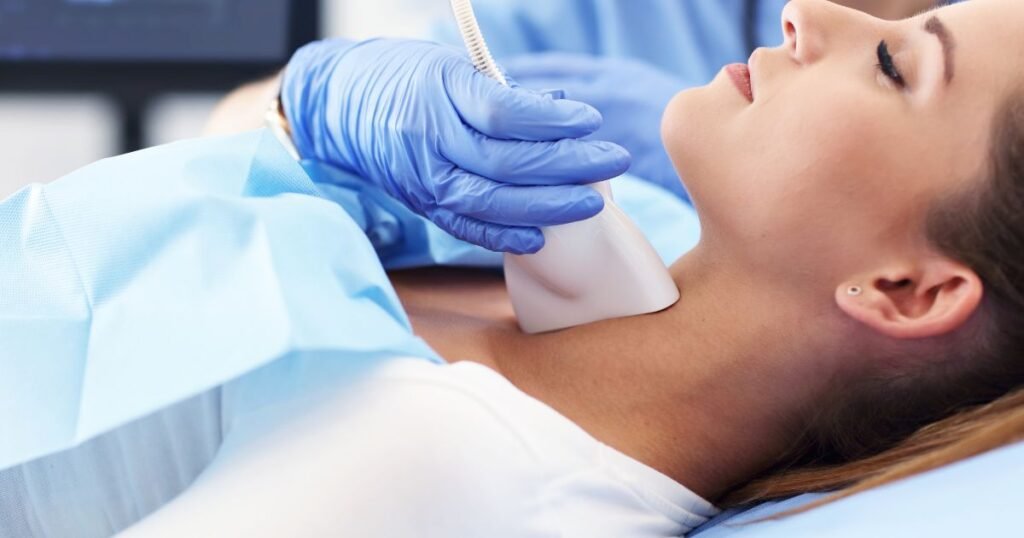
The endocrine system is made up of glands that produce hormones to regulate important functions such as metabolism, growth, energy levels, blood sugar, and reproduction. While many endocrine disorders can be managed with medications, some conditions require surgery to remove diseased glands or abnormal growths. This specialized procedure is known as endocrine surgery.
Endocrine surgery is most commonly performed for conditions affecting the thyroid, parathyroid, adrenal glands, and certain hormone-producing tumors. If you have been diagnosed with a condition that may require surgery, consulting the best endocrinologist in Chennai can help determine whether an operation is the right option and ensure you receive appropriate care.
What Is Endocrine Surgery?
Endocrine surgery is a specialized branch of surgery that focuses on treating diseases of the endocrine glands. The goal is to remove abnormal tissue while preserving as much normal gland function as possible.
The glands most commonly treated with endocrine surgery include:
- Thyroid gland
- Parathyroid glands
- Adrenal glands
- Pancreas (for selected hormone-producing tumors)
Not every endocrine disorder requires surgery. Many patients respond well to medications or regular monitoring.
When Is Endocrine Surgery Needed?
Surgery is recommended only when it offers the best chance of improving health or preventing complications.
Some common reasons include:
Thyroid Cancer
One of the most common reasons for endocrine surgery is thyroid cancer.
Removing part or all of the thyroid gland helps:
- Eliminate cancer cells
- Reduce the risk of cancer spreading
- Improve long-term outcomes
Early diagnosis often leads to highly successful treatment.
Large Thyroid Nodules
Most thyroid nodules are non-cancerous, but surgery may be recommended if a nodule:
- Continues to grow
- Causes difficulty swallowing
- Affects breathing
- Produces excessive thyroid hormones
- Appears suspicious on biopsy
Removing the affected portion of the thyroid can relieve symptoms and provide a definitive diagnosis.
Goiter (Enlarged Thyroid)
A goiter is an enlarged thyroid gland that may cause:
- Visible neck swelling
- Difficulty swallowing
- Hoarseness
- Pressure in the neck
- Breathing problems
When these symptoms interfere with daily life, surgery may be the best treatment option.
Hyperparathyroidism
The parathyroid glands control calcium levels in the body.
If one or more glands become overactive, they can cause:
- High calcium levels
- Kidney stones
- Weak bones
- Fatigue
- Muscle weakness
Removing the abnormal gland usually corrects the problem.
Adrenal Gland Disorders
The adrenal glands produce hormones that regulate blood pressure, metabolism, and the body’s response to stress.
Surgery may be needed for:
- Adrenal tumors
- Hormone-producing adrenal growths
- Certain adrenal cancers
Treatment depends on the size and type of the tumor.
How Do Doctors Decide If Surgery Is Necessary?
Before recommending surgery, doctors perform a thorough evaluation.
This may include:
- Medical history
- Physical examination
- Blood tests
- Hormone level testing
- Ultrasound
- CT scan or MRI
- Fine needle aspiration (FNA) biopsy for thyroid nodules
These investigations help determine whether surgery is the most appropriate treatment.
What Happens During Endocrine Surgery?
The exact procedure depends on the gland being treated.
For thyroid surgery, the surgeon may remove:
- One part of the thyroid (lobectomy)
- The entire thyroid (total thyroidectomy)
Parathyroid and adrenal surgeries involve removing only the affected gland while preserving healthy tissue whenever possible.
Modern surgical techniques are designed to minimize pain, reduce scarring, and support faster recovery.
What Is Recovery Like?
Recovery depends on the type of surgery performed and your overall health.
Most patients can expect:
- A short hospital stay
- Gradual return to normal activities
- Follow-up appointments
- Blood tests to monitor hormone levels
If the entire thyroid gland is removed, lifelong thyroid hormone replacement medication is usually required.
Are There Risks?
Like any surgical procedure, endocrine surgery carries some risks, although serious complications are uncommon when performed by experienced specialists.
Possible risks include:
- Bleeding
- Infection
- Temporary voice changes
- Low calcium levels after parathyroid or thyroid surgery
- Need for lifelong hormone replacement in some cases
Your surgeon will explain the benefits and possible risks before the procedure.
When Should You See a Doctor?
You should seek medical evaluation if you experience:
- A lump in the neck
- Persistent thyroid swelling
- Difficulty swallowing
- Hoarseness
- Unexplained hormone imbalances
- High calcium levels
- Adrenal gland tumors
If surgery is recommended after a thorough evaluation, the best thyroid specialist in Chennai can discuss the available treatment options and help you understand what to expect before and after the procedure.
Final Thoughts
Endocrine surgery is a highly specialized treatment used for certain conditions affecting hormone-producing glands, including the thyroid, parathyroid, and adrenal glands. While many endocrine disorders can be managed with medications, surgery becomes necessary when there is cancer, a large goiter, hormone-producing tumors, or other conditions that cannot be treated effectively with medical therapy alone.
The good news is that advances in surgical techniques have made endocrine surgery safer and more effective than ever before. Early diagnosis, careful evaluation, and treatment by an experienced specialist can help improve outcomes, relieve symptoms, and support long-term health.