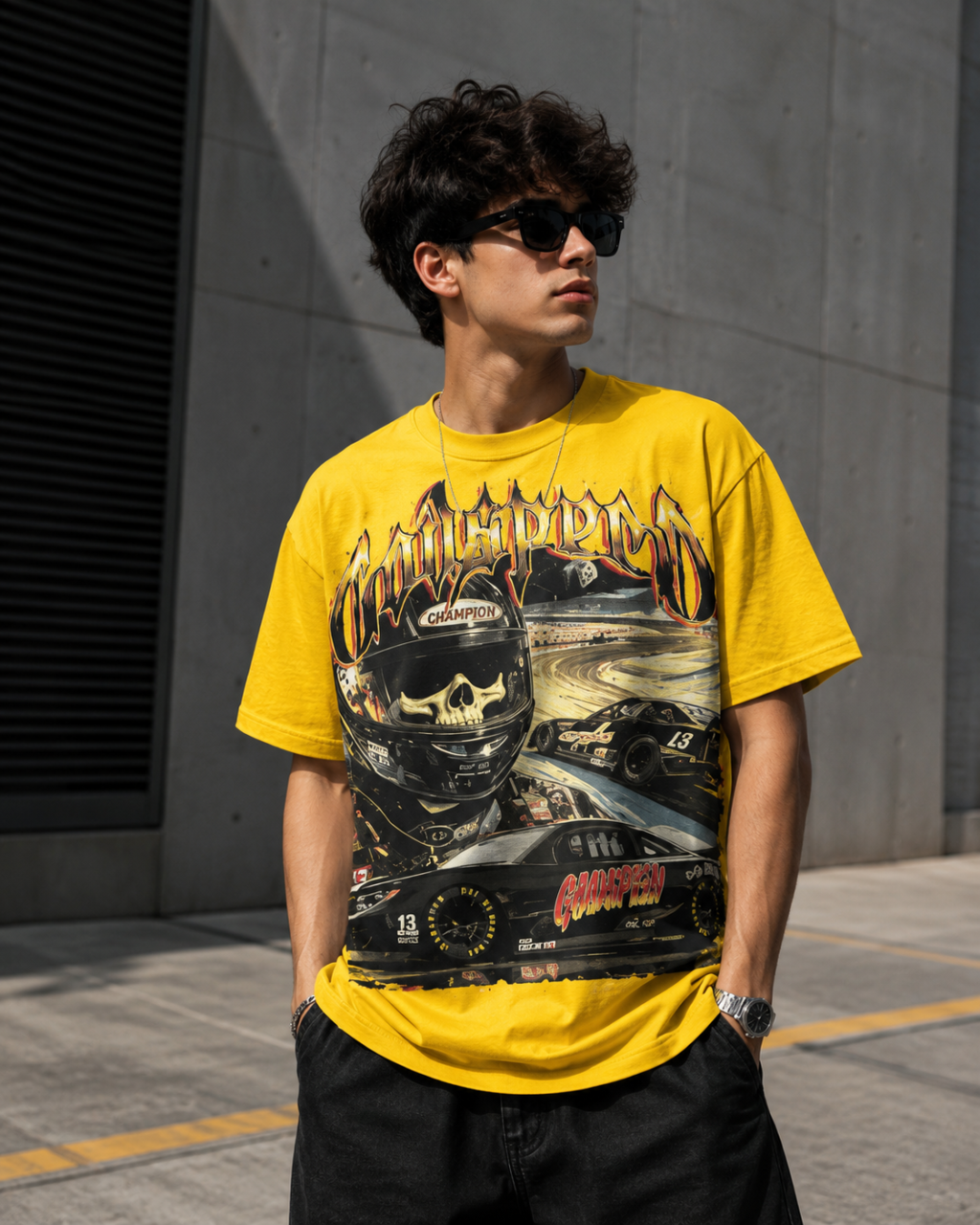
Godspeed Shirt
Hip-hop has always been about more than just music — it represents a broader cultural movement encompassing art, dance, language, and fashion, all interconnected as expressions of the same creative spirit. Streetwear, in particular, owes much of its foundational identity to hip-hop culture, and that connection remains vital to many brands operating within the space today. Godspeed Clothing carries this hip-hop influence throughout its design approach. This article explores how this cultural connection continues to shape the brand’s identity today.
Hip-Hop’s Foundational Role in Streetwear
To understand hip-hop’s influence on contemporary fashion Godspeed Shirt it helps to recognize the genre’s historical role in shaping streetwear culture from its earliest days. Hip-hop artists and communities have long used fashion as a form of self-expression and identity, establishing style trends that eventually influenced broader mainstream fashion long before streetwear became commercially recognized.
Visual Language Rooted in Hip-Hop Aesthetics
Hip-hop culture has developed a distinct visual language over decades, encompassing everything from specific silhouettes to color choices to graphic styles. Brands connected to this heritage often draw directly from these established visual traditions, creating design choices that feel authentically tied to hip-hop’s aesthetic history rather than superficially borrowing its style.
Music as a Continuous Creative Influence
Beyond visual aesthetics, hip-hop’s musical elements often continue influencing design in more subtle ways. A few examples of how this musical connection might manifest include:
- Rhythmic patterns or visual elements inspired by musical composition
- Design references tied to specific hip-hop lyrics, albums, or cultural moments
- Color palettes reflecting the energy and mood of specific musical eras
- Collaborative projects connecting fashion directly with hip-hop artists or producers
This ongoing musical influence helps maintain a genuine connection between the brand’s design choices and hip-hop’s broader cultural ecosystem.
Language and Slang as Design Elements
Hip-hop culture has significantly influenced everyday language and slang, and brands connected to this heritage often incorporate this linguistic influence directly into their design and branding. This might show up through specific phrases, terminology, or naming conventions that carry meaning within hip-hop culture, adding another layer of authentic cultural connection beyond purely visual design choices.
Honoring Origins While Evolving
As hip-hop culture continues evolving, brands rooted in this heritage face the challenge of honoring foundational influences while still developing their own distinct creative identity. This balance often requires deep respect for hip-hop’s cultural history while still pushing design forward in ways that feel current and relevant rather than purely nostalgic. If you want to see how this hip-hop influence shows up in current pieces, you can See Collection to explore the current lineup and its underlying cultural references.
Why This Cultural Connection Matters
For buyers who understand and appreciate hip-hop’s cultural significance, this connection offers something meaningfully different from streetwear brands lacking genuine ties to the culture. This appreciation often reflects a broader respect for hip-hop’s lasting influence on fashion, music, and creative expression more broadly.
Final Thoughts
The way hip-hop culture lives on through Godspeed Clothing reflects a genuine, ongoing connection to the genre’s foundational role in shaping streetwear identity. Through visual language, musical influence, and cultural terminology, this connection continues informing the brand’s design choices, offering pieces that carry authentic ties to hip-hop’s rich creative and cultural history.
Frequently Asked Questions (FAQs)
Q1: How did hip-hop influence the foundational identity of streetwear? Hip-hop artists and communities established early style trends that significantly shaped streetwear’s development as a fashion category.
Q2: What visual elements are commonly associated with hip-hop-influenced design? Specific silhouettes, color choices, and graphic styles rooted in hip-hop’s aesthetic history often appear in connected brands.
Q3: Does music continue influencing fashion design beyond visual style? Yes, musical references and collaborations with artists often maintain an ongoing creative connection between fashion and hip-hop culture.
Q4: Why might a brand incorporate hip-hop slang or terminology into its branding? This linguistic influence adds another authentic layer of cultural connection beyond purely visual design choices.
Q5: How do brands balance honoring hip-hop’s history while developing a distinct identity? This requires respecting foundational cultural influences while still pushing design forward in current, relevant ways.