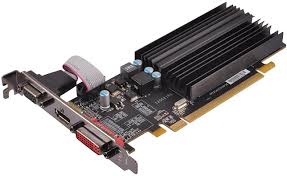
In the evolving world of IT Hardware, performance and visual capability have become essential for both personal and professional computing. One of the most important components responsible for delivering high-quality visuals is the video card. Whether you are a gamer, designer, engineer, or general computer user, a reliable computer video card plays a significant role in enhancing system performance and graphical output.
Modern Computer Hardware systems rely heavily on graphical processing power to handle complex visual tasks. From rendering high-definition videos to supporting advanced gaming environments and professional 3D modeling applications, the video card is the backbone of visual computing. As technology continues to evolve, video cards are becoming more powerful, efficient, and essential for a wide range of applications.
This article explores the importance of video cards, how they work, their benefits, and why they are a critical component of modern IT infrastructure.
Understanding the Basics of a Video Card
A video card, often referred to as a graphics card or GPU, is a specialized hardware component designed to process and render images, animations, and videos for display on a monitor. Unlike the central processing unit (CPU), which handles general computing tasks, a computer video card is optimized specifically for graphical calculations.
Within the ecosystem of Computer Hardware, the video card works alongside the CPU, memory, and storage to create smooth visual output. It contains its own processor known as the Graphics Processing Unit (GPU), dedicated memory called VRAM, and cooling components to maintain stable performance.
When a user opens a video, runs a game, or uses graphic-intensive software, the video card processes the visual data and sends it to the display device. This process allows computers to handle complex visual tasks efficiently without overloading the main processor.
Key Components of a Computer Video Card
A modern computer video card is built using several important components that work together to deliver high performance.
The GPU is the core element responsible for executing graphical calculations. It processes thousands of operations simultaneously, making it ideal for rendering graphics quickly and efficiently.
Video memory, or VRAM, stores graphical data such as textures, images, and frame buffers. The larger the VRAM capacity, the better the video card can handle high-resolution graphics and complex visual workloads.
Cooling systems are another crucial part of a video card. Because graphical processing generates significant heat, video cards are equipped with fans or advanced cooling solutions to maintain optimal temperature levels.
Finally, output interfaces allow the video card to connect to display devices through ports such as HDMI, DisplayPort, or VGA. These connections ensure compatibility with modern monitors and display technologies.
Why Video Cards Are Essential in IT Hardware
In today’s technology landscape, the importance of video cards in IT Hardware has grown dramatically. Businesses and individuals rely on powerful graphics processing to support a wide range of digital activities.
For example, gaming systems require high-performance video cards to deliver smooth frame rates and realistic graphics. Without a capable video card, modern games would struggle to run effectively.
Professional industries such as architecture, engineering, and animation also depend on advanced computer video card technology. Applications used for 3D modeling, rendering, and simulation require immense graphical processing power.
Even everyday computing tasks benefit from a dedicated video card. High-resolution video playback, multitasking across multiple monitors, and modern user interfaces all rely on graphical acceleration.
Because of these capabilities, the video card has become a central component in modern Computer Hardware systems.
Video Cards in Gaming and Entertainment
Gaming is one of the most popular applications that require powerful video cards. Modern video games feature complex environments, detailed textures, and advanced lighting effects that demand high graphical performance.
A powerful video card ensures smooth gameplay, higher frame rates, and improved visual quality. Gamers often invest in high-performance computer video card models to experience immersive environments and competitive gameplay.
Video cards also support advanced technologies such as real-time ray tracing, which enhances lighting and reflections in games. These technologies create more realistic visual experiences that were previously impossible with older hardware.
Beyond gaming, video cards play a vital role in video streaming, virtual reality, and digital entertainment. High-definition and 4K video playback require efficient graphical processing to ensure smooth viewing experiences.
Video Cards for Professional Workstations
While gaming often receives the most attention, video cards are equally important in professional environments. Many industries rely on powerful Computer Hardware systems equipped with advanced video cards to handle demanding workloads.
Graphic designers use video cards to render high-resolution images and visual effects. Video editors depend on GPU acceleration to process large video files and apply complex editing techniques.
Engineers and architects use specialized software that requires powerful computer video card capabilities to create 3D models and simulations. Without sufficient graphical power, these applications would run slowly and reduce productivity.
In data science and artificial intelligence, GPUs are increasingly used to accelerate machine learning processes. This demonstrates how video cards have evolved beyond graphics to become essential computing tools in modern IT Hardware environments.
Conclusion
In the modern digital era, the video card has become one of the most essential components of advanced IT Hardware systems. As computing demands continue to grow, users require powerful graphical performance to support gaming, professional design, video editing, and data-intensive applications. A high-quality computer video card ensures smoother graphics rendering, faster processing of visual data, and an overall improved computing experience.
Within the broader ecosystem of Computer Hardware, the video card works alongside the CPU, memory, and storage to create a balanced and efficient system. From enhancing gaming visuals to accelerating professional workloads, this hardware component significantly impacts system performance and user productivity.