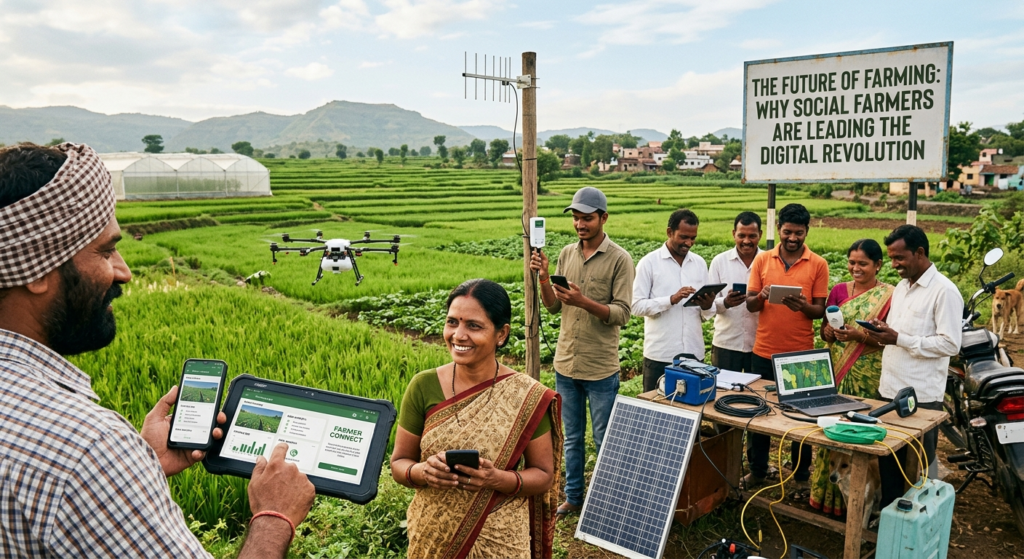
Farming has always evolved alongside technology. From basic hand tools to tractors, irrigation systems, and automated machinery, every generation has introduced new ways to make agriculture more productive. Today, another transformation is taking place—this time through digital communication, social media, data, and online communities. At the center of this change are Social Farmers, agricultural professionals who use digital platforms to share knowledge, connect with consumers, promote sustainable practices, and build stronger farming businesses.
The rise of digital agriculture is changing how farmers communicate with the world. A farm is no longer limited to its local community or nearby marketplace. Through smartphones, social networks, websites, and digital tools, farmers can reach customers thousands of miles away. This shift creates opportunities for education, marketing, networking, and innovation while bringing consumers closer to the people who produce their food.
What Are Social Farmers?
Social Farmers are farmers, agricultural entrepreneurs, creators, and professionals who actively use social media and digital platforms to communicate about agriculture. Their content may include crop production, livestock management, farming techniques, machinery, sustainability, rural lifestyles, or the everyday realities of agricultural work.
Unlike traditional agricultural marketing, digital communication allows farmers to have direct conversations with their audiences. They can answer questions, share experiences, receive feedback, and demonstrate their work through photos, videos, livestreams, and educational posts.
This direct connection helps make farming more transparent and relatable. Consumers can see where food comes from, understand the challenges involved in production, and develop greater appreciation for agricultural workers.
How Digital Technology Is Transforming Agriculture
The digital revolution in farming extends far beyond social media. Modern agricultural technology combines connected devices, data analytics, automation, satellite imagery, artificial intelligence, and mobile applications.
Farmers can use digital tools to monitor weather conditions, analyze soil information, track livestock, manage irrigation, and identify potential crop problems. These technologies can help improve decision-making while reducing unnecessary resource use.
At the same time, social platforms provide a communication layer around these innovations. Farmers can share their experiences, while a Social Farmer can explain how new technologies work and demonstrate their practical value to other farmers and consumers.
Better Access to Agricultural Knowledge
One of the most important benefits of digital farming communities is access to information. Farmers can learn about new cultivation methods, equipment, market developments, pest-management techniques, and sustainability practices without relying solely on traditional sources.
Online communities also make peer-to-peer learning easier. A farmer facing a particular challenge can discover how someone in another region approached a similar problem. This exchange of practical experience can complement professional advice and formal agricultural education.
Direct Connection With Consumers
Consumers increasingly want to know more about the origins of their food. Digital platforms allow farmers to respond directly to this interest.
Through engaging content, farmers can show planting activities, harvesting processes, farm management practices, and seasonal changes. This transparency can strengthen trust and create a more meaningful relationship between producers and buyers.
For smaller farms, this can also support direct-to-consumer sales. Farmers can promote farm shops, subscription programs, local produce, specialty products, or seasonal offerings through their online presence.
Why Social Farmers Matter to the Future of Agriculture
The growing influence of Social Farmers is not simply a social media trend. It reflects a broader change in how agricultural businesses communicate, educate, and compete.
Farmers who understand digital communication can build recognizable personal or business brands. Their online presence can become an extension of the farm itself, helping audiences understand its values and unique story.
For example, a farmer specializing in sustainable production can use educational videos to explain soil conservation. A livestock producer can document animal-care practices. A young agricultural entrepreneur can share the process of building a new farming business.
These stories can help challenge outdated perceptions of farming and demonstrate how modern agriculture combines tradition with innovation.
The Role of Content in Modern Farming
Content is becoming an important agricultural business tool. However, successful farming content does not need to be complicated or highly produced.
Authentic, useful, and consistent content often has greater value than overly promotional material. A short video explaining how a crop is planted or a photograph showing harvest conditions can generate meaningful engagement.
Educational Content Builds Authority
Educational content can position farmers as knowledgeable voices within their communities. Explaining farming techniques, discussing seasonal challenges, or answering common questions can attract audiences interested in agriculture and food production.
Over time, this type of content can build credibility and encourage people to return for reliable information.
Storytelling Creates Stronger Connections
Farming is naturally connected to stories. Every growing season has challenges, successes, weather events, decisions, and lessons.
Sharing these experiences gives audiences a realistic view of agriculture. Instead of seeing farming only as a business, people can understand the effort, knowledge, and uncertainty involved in producing food.
This human connection is one reason Social Farmers are becoming increasingly influential in digital agriculture.
Social Media as a Business Growth Channel
Social media can support several areas of an agricultural business. It can increase brand awareness, attract customers, support product launches, and create opportunities for partnerships.
Farmers can also use analytics to understand which topics resonate with their audiences. Information such as engagement, reach, and audience demographics can help businesses refine their communication strategies.
Digital branding platforms such as F2DF can also contribute to a stronger online presence by helping agricultural businesses think more strategically about how they present themselves in an increasingly connected marketplace.
However, digital marketing should complement farming operations rather than distract from them. The most effective strategy is usually one that fits naturally into a farmer’s existing routine.
Challenges Facing Social Farmers
Despite its benefits, digital agriculture also presents challenges. Not every farmer has reliable internet access, advanced digital skills, or sufficient time to maintain multiple platforms.
There is also a risk of misinformation. Agricultural content can spread quickly, and audiences may encounter inaccurate claims about farming practices, food production, or technology.
For this reason, responsible digital communication is essential. Farmers should prioritize factual information, acknowledge uncertainty when appropriate, and avoid presenting personal experiences as universal agricultural rules.
Privacy and cybersecurity are additional concerns. Connected farming equipment and online business accounts should be protected with appropriate security measures.
How Farmers Can Prepare for the Digital Future
Farmers do not need to become technology experts overnight. A practical approach is to begin with one or two digital channels that match their goals and audience.
The first step is to identify what the farm wants to achieve. The objective might be selling products, educating consumers, attracting younger workers, networking with other farmers, or building a recognizable agricultural brand.
Next, farmers can develop a simple content routine. Sharing regular updates, useful information, behind-the-scenes experiences, and answers to common questions can gradually build an audience.
It is also important to measure results. Instead of focusing only on follower numbers, farmers can consider meaningful indicators such as inquiries, website visits, product sales, partnerships, and audience engagement.
The Future of Social Farming
The future of agriculture will likely involve an even closer relationship between physical farming and digital technology. Artificial intelligence, connected sensors, robotics, satellite systems, and data-driven decision-making may become increasingly common across agricultural operations.
At the same time, human communication will remain essential. Technology can provide information and automation, but farmers still need to explain their decisions, build trust, and connect with communities.
Social Farmers are well positioned to bridge these two worlds. By combining agricultural knowledge with digital communication skills, they can help audiences understand both the opportunities and challenges associated with modern farming.
The next generation of agricultural leaders may therefore be defined not only by how effectively they grow crops or manage livestock, but also by how effectively they communicate, educate, and innovate.
Conclusion
The digital revolution is changing agriculture from the ground up. Farmers now have unprecedented opportunities to share their knowledge, connect with consumers, promote their products, and participate in global agricultural conversations.
Social Farmers represent this new generation of digitally connected agricultural professionals. Their influence can improve transparency, encourage knowledge sharing, strengthen farm brands, and help society better understand where food comes from.
As technology continues to advance, the most successful agricultural businesses will likely be those that combine practical farming expertise with thoughtful digital strategies. The future of farming is not simply about adopting new machines or software—it is also about creating stronger connections between farms and the people they serve.
FAQs
Q1. What does Social Farmer mean?
A Social Farmer is a farmer or agricultural professional who uses social media and digital platforms to share farming knowledge, connect with audiences, promote products, and communicate about agriculture.
Q2. Why are Social Farmers important?
They help make agriculture more accessible and transparent by sharing real farming experiences. They can also support education, community building, marketing, and stronger connections between farmers and consumers.
Q3. Which digital platforms can farmers use?
Farmers can use platforms such as social networks, video-sharing websites, blogs, websites, online marketplaces, and agricultural communities. The best platform depends on the farmer’s audience and business objectives.
Q4. Can social media help farmers increase sales?
Yes. Social media can improve product visibility, attract potential customers, support direct-to-consumer marketing, and build trust. Results depend on the quality and consistency of the content and the overall business strategy.
Q5. What is the future of digital farming?
Digital farming is expected to increasingly incorporate artificial intelligence, automation, connected sensors, data analytics, satellite technology, and online communication. Farmers who combine these technologies with strong agricultural knowledge can be better prepared for changing market and environmental conditions.